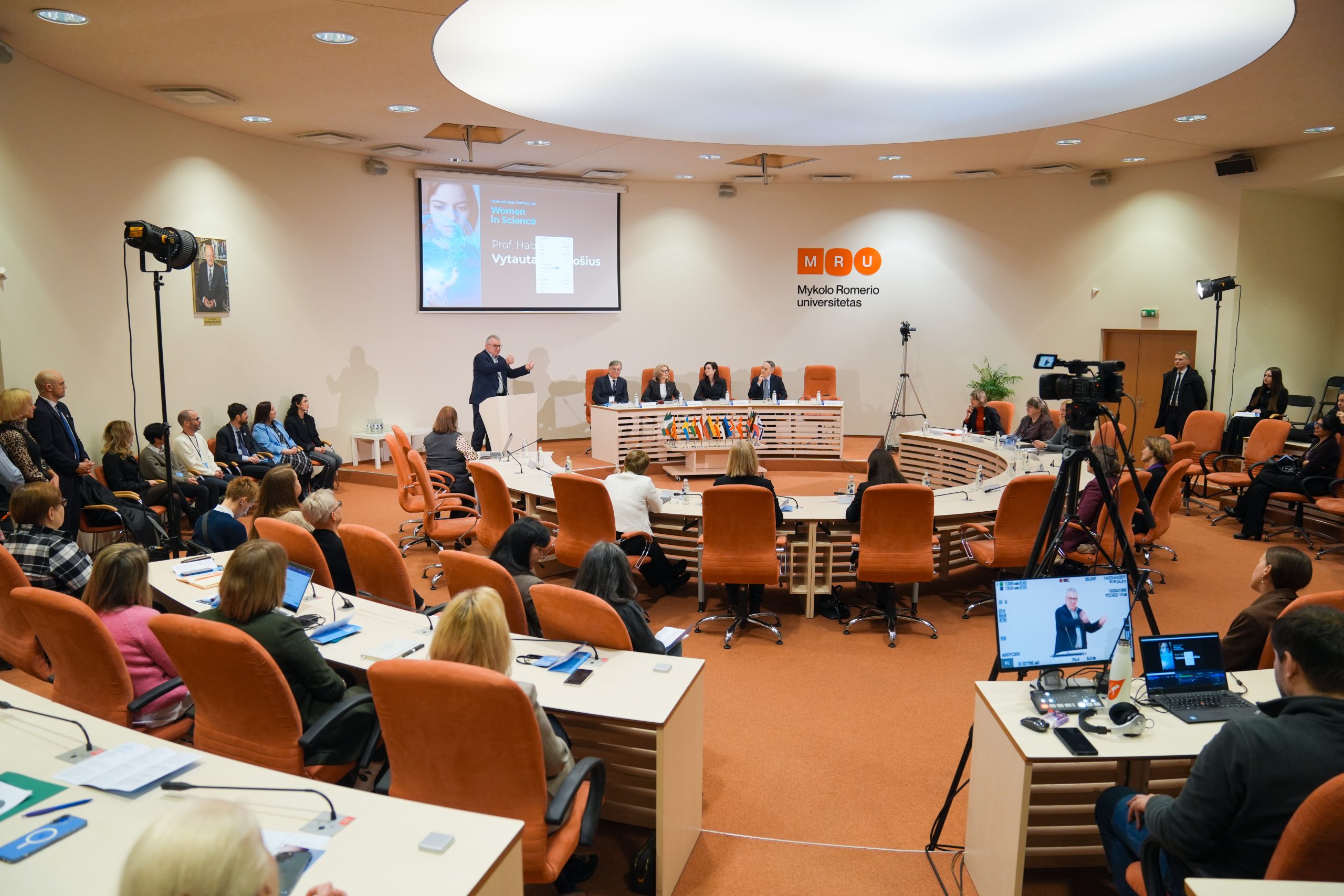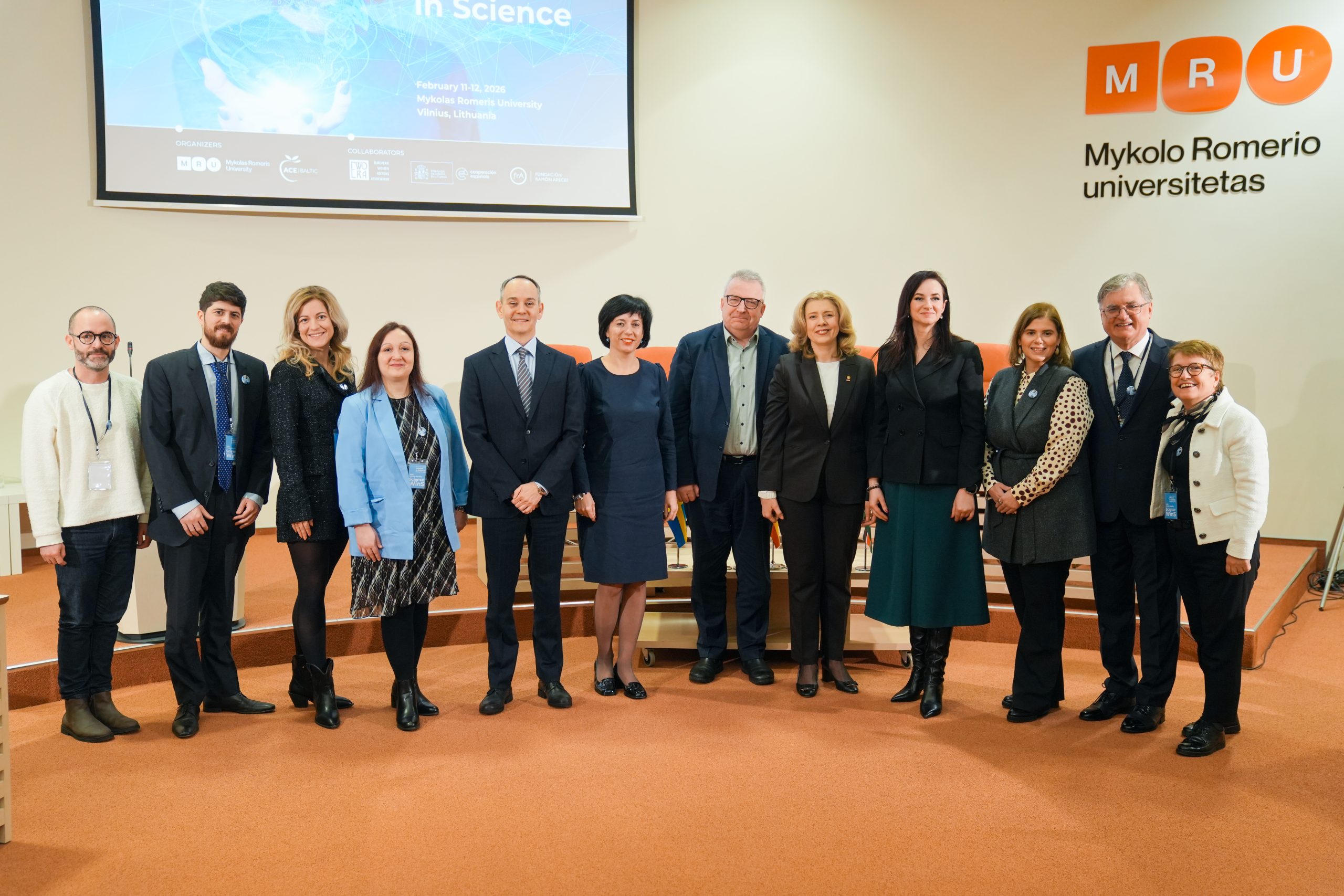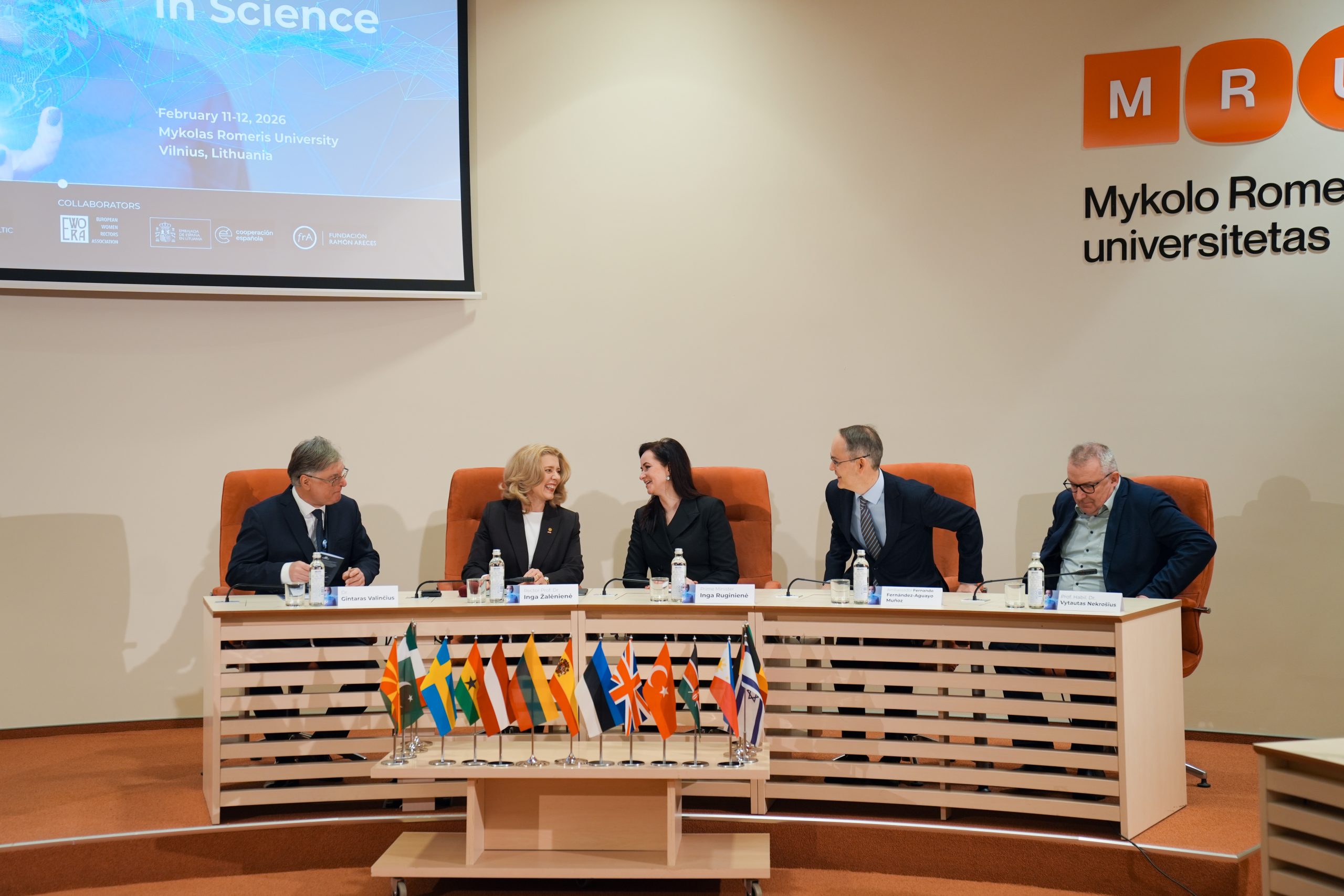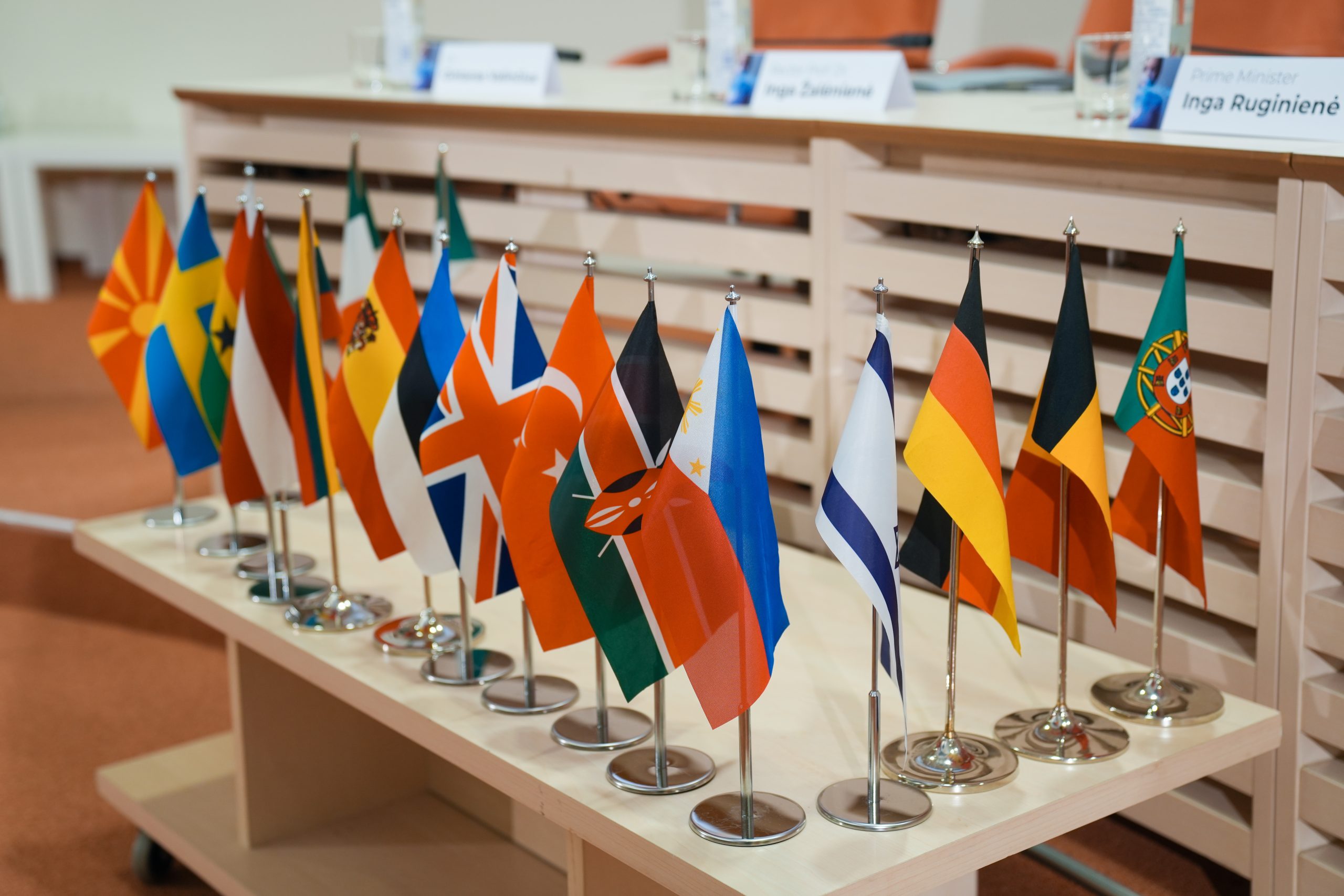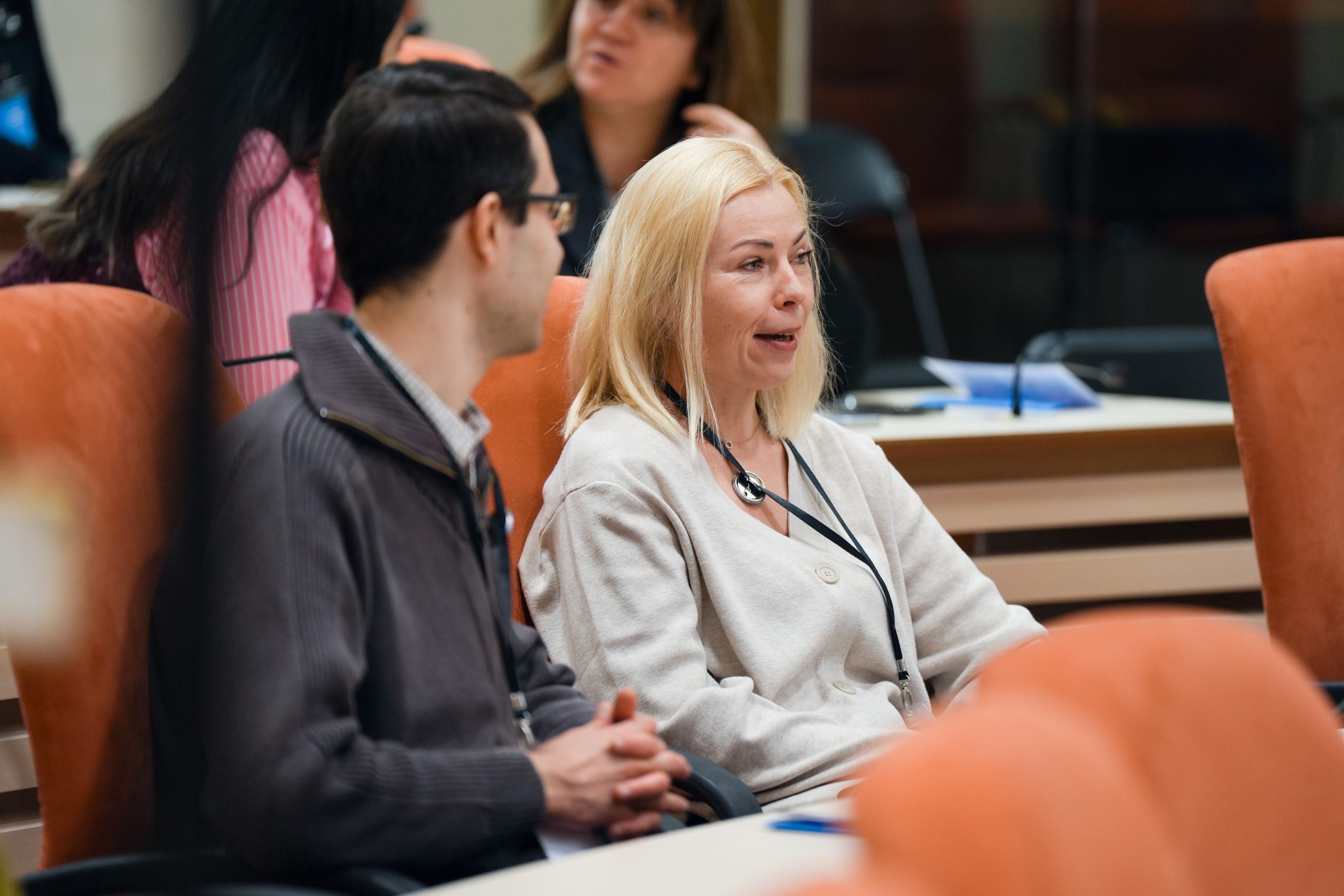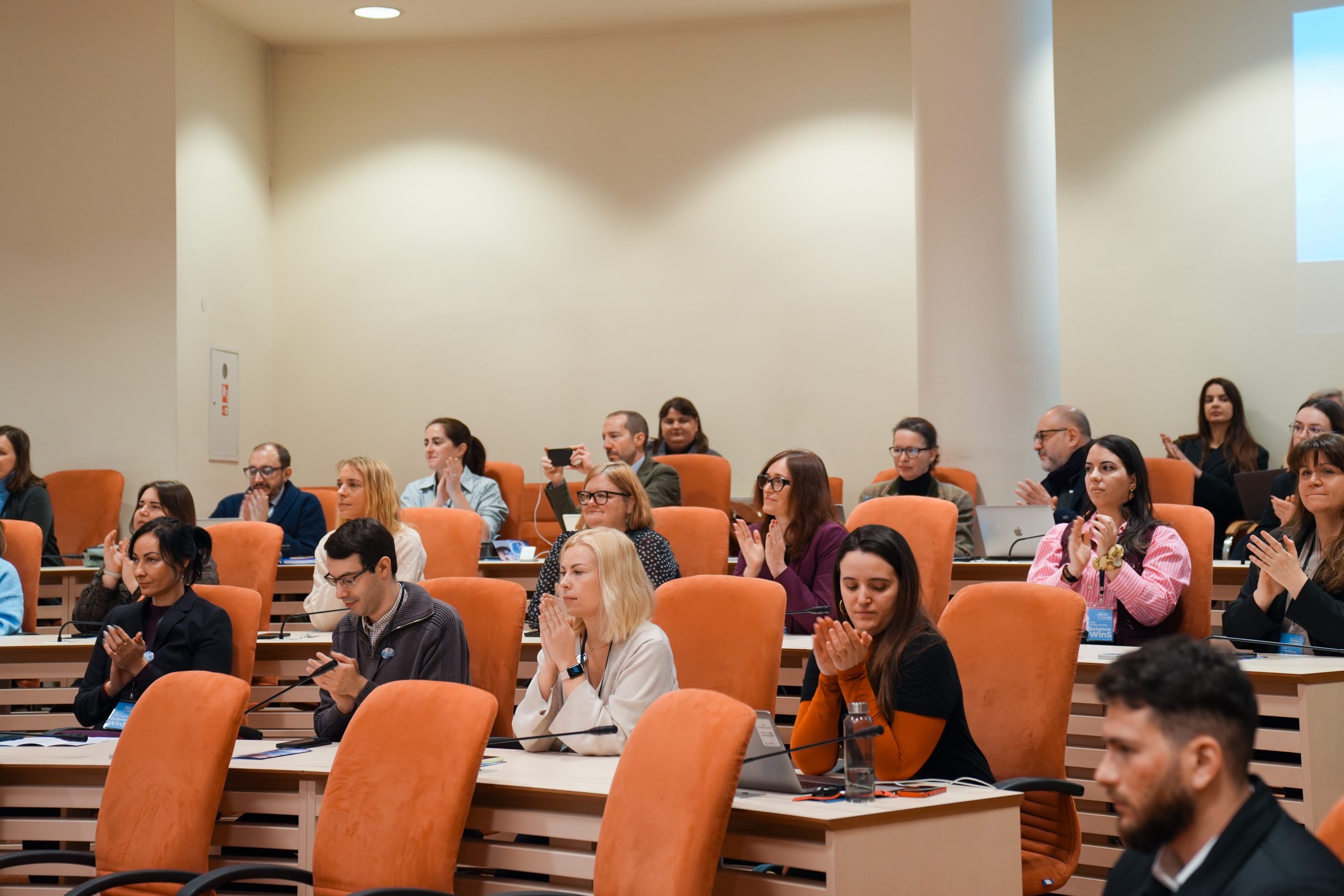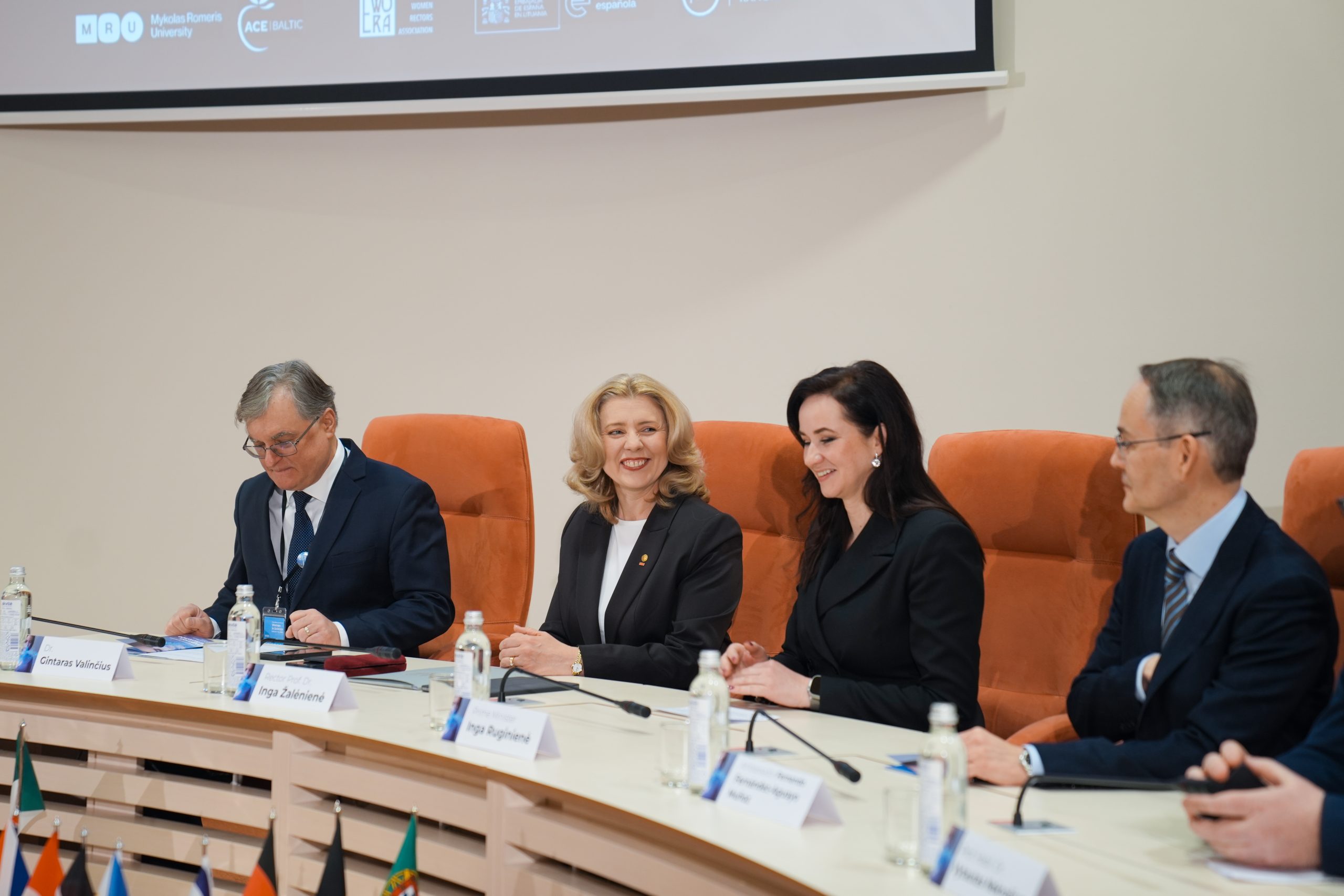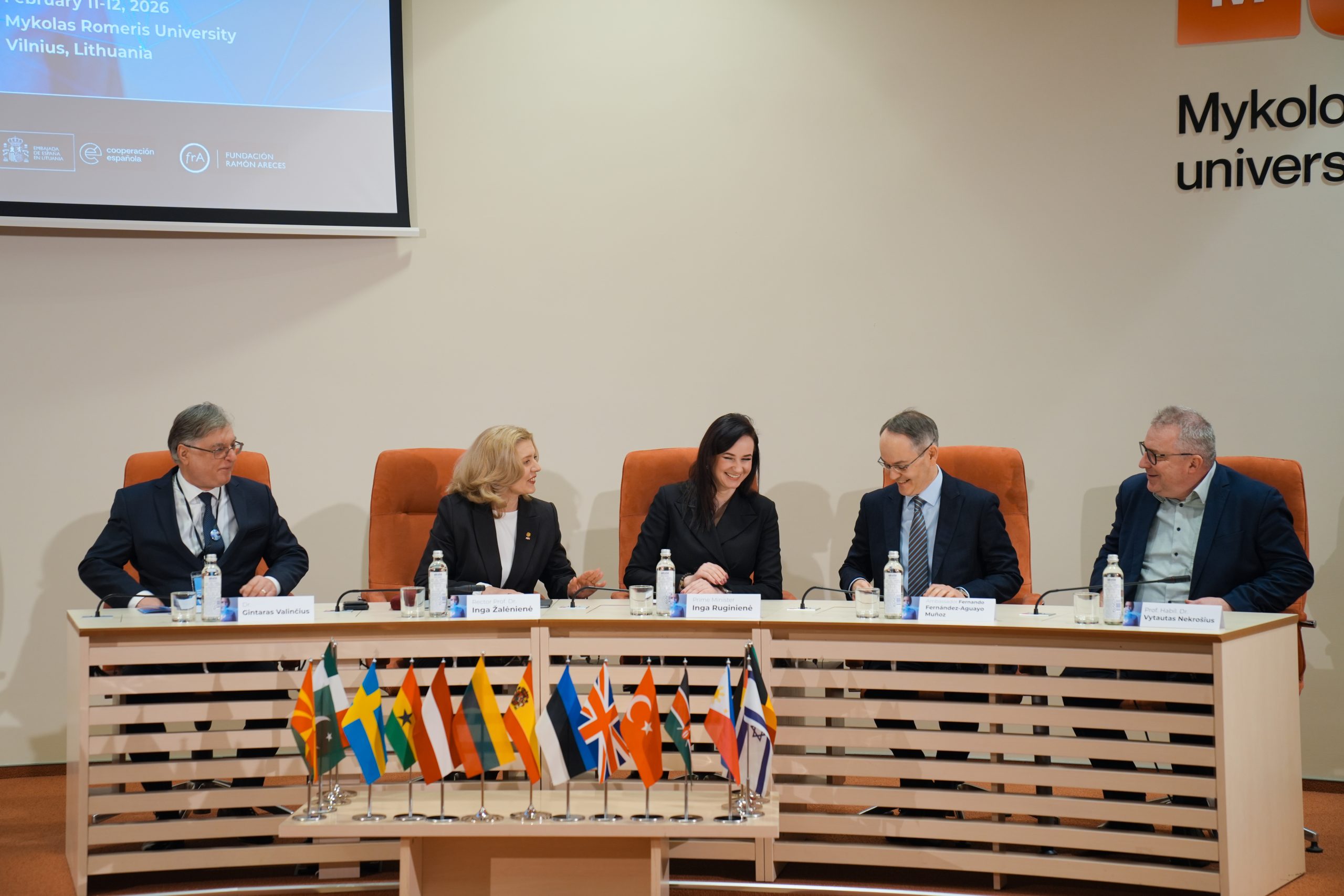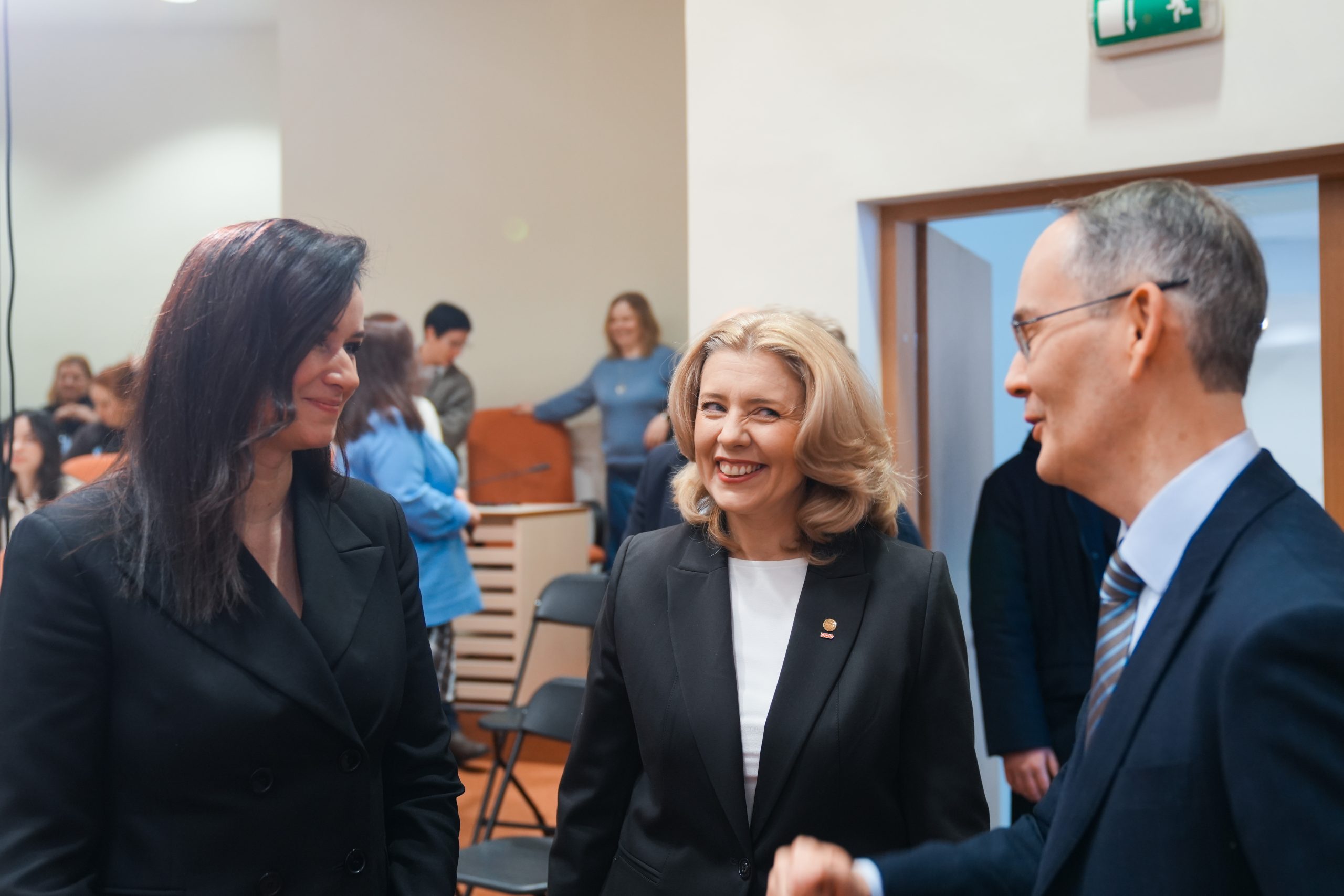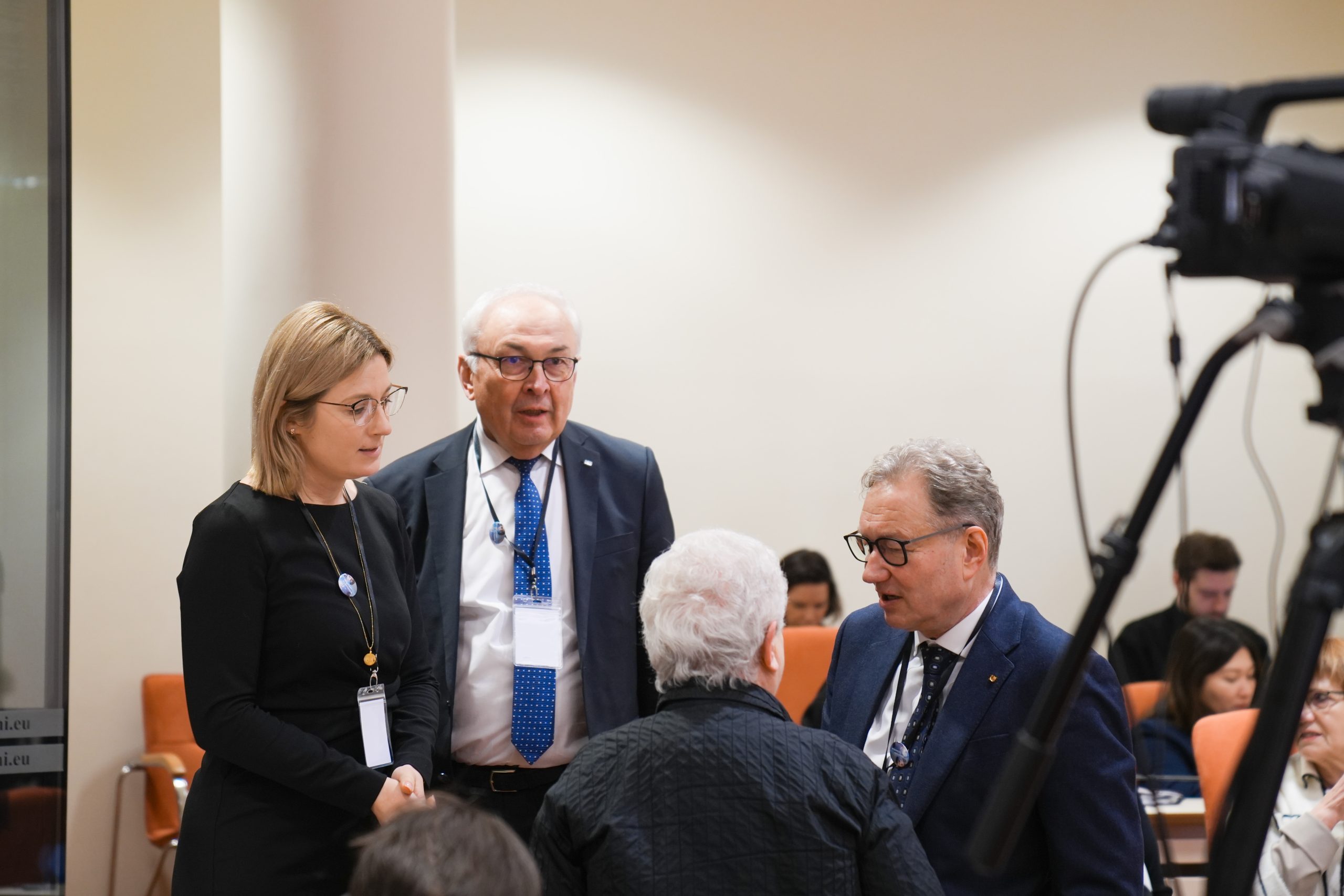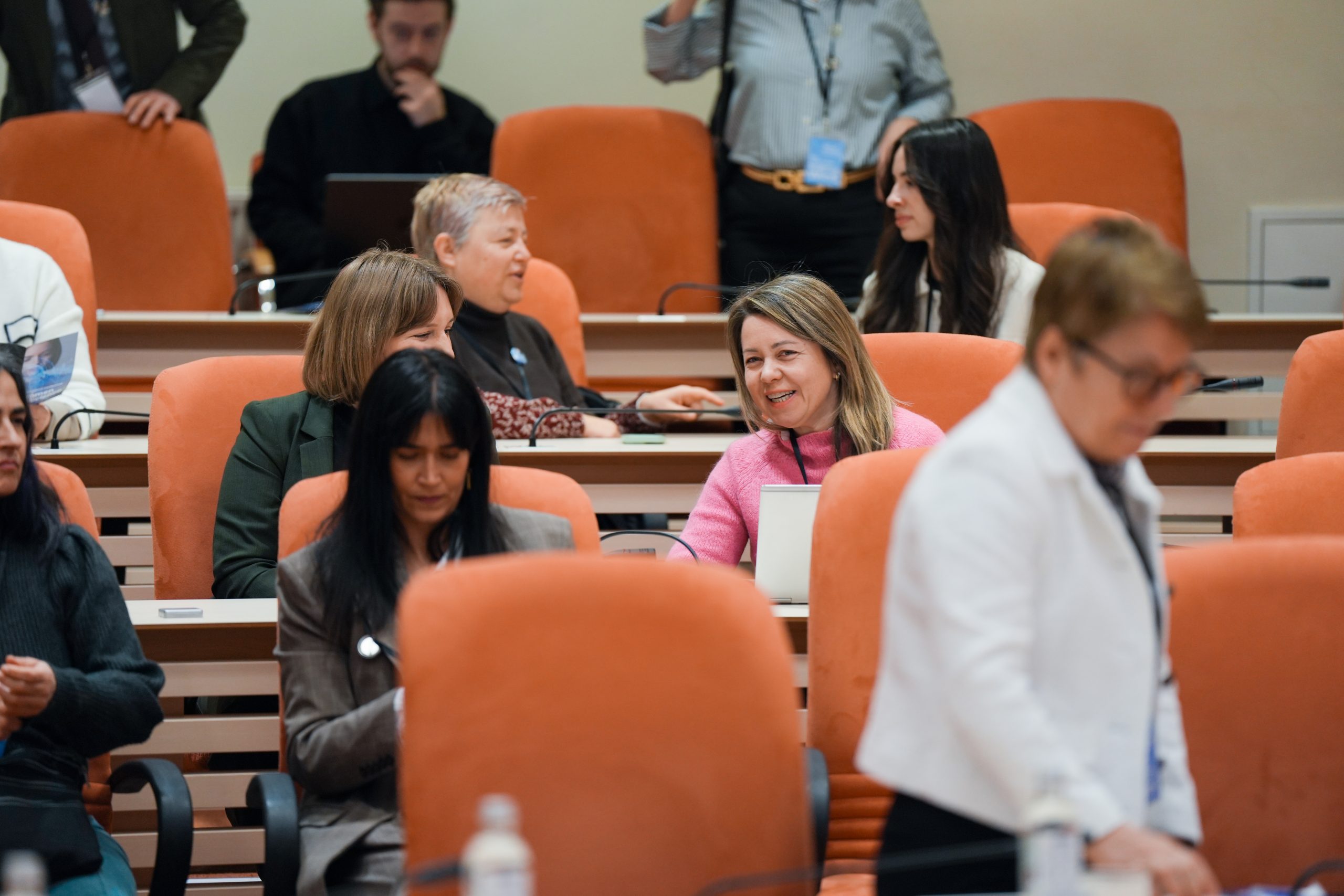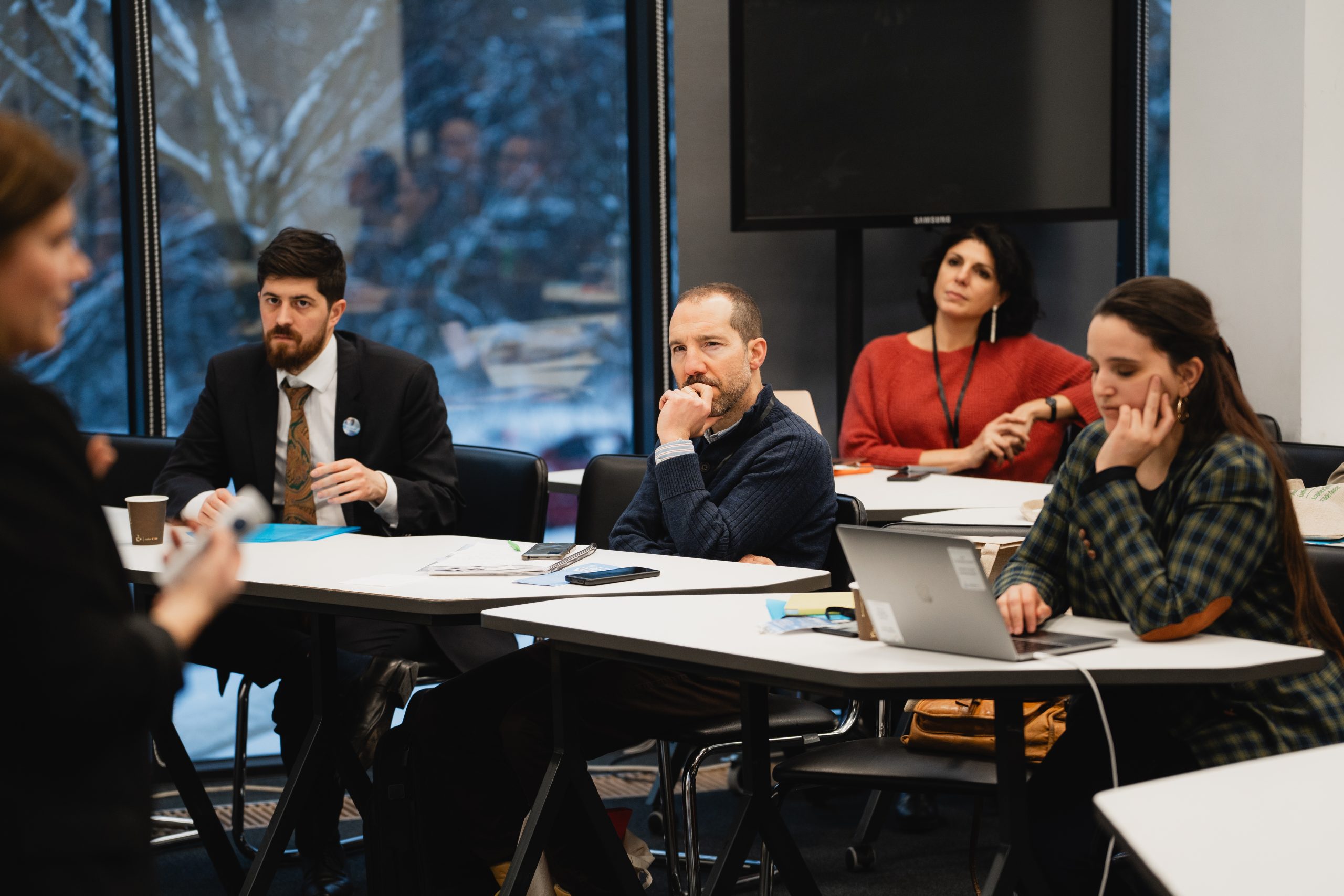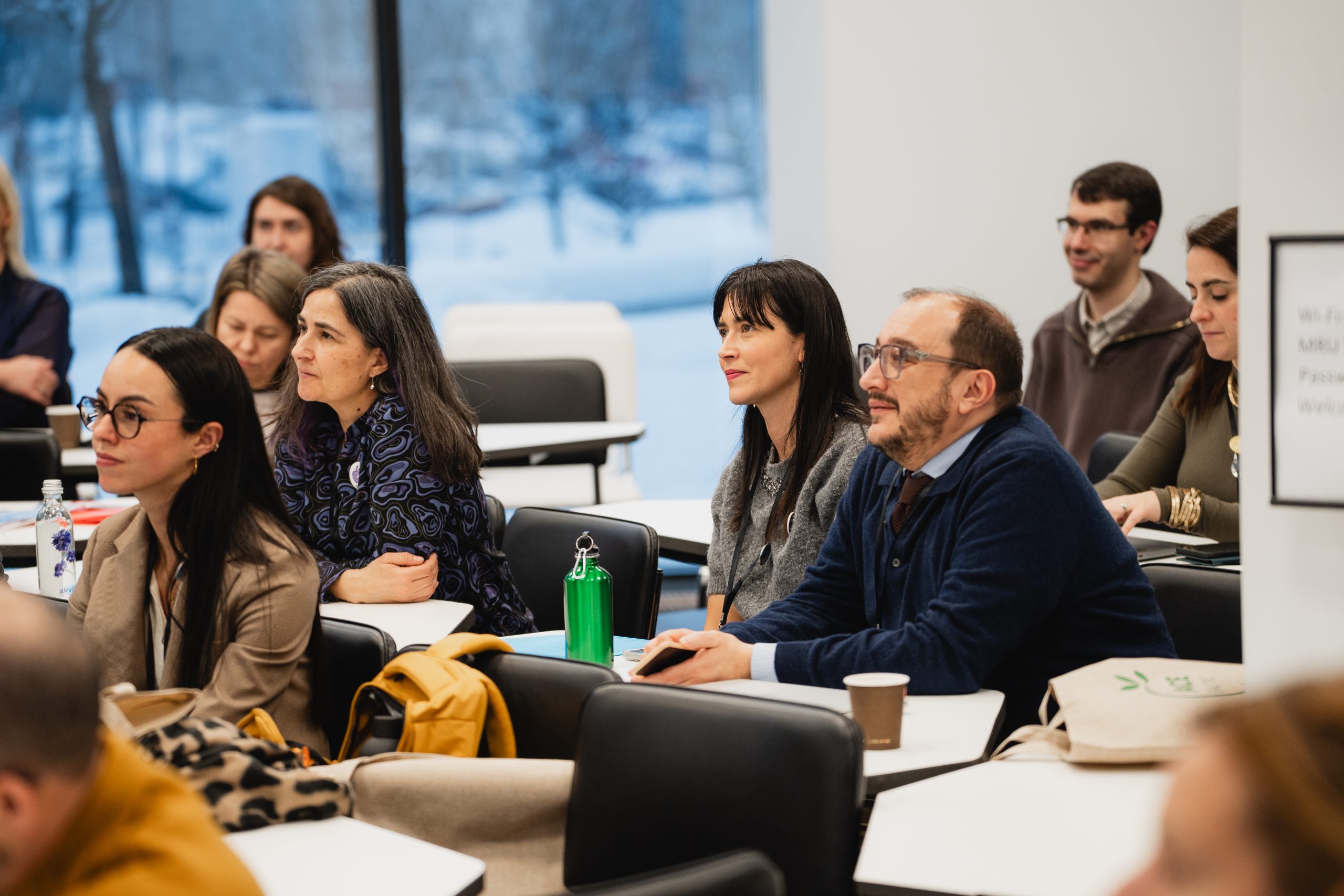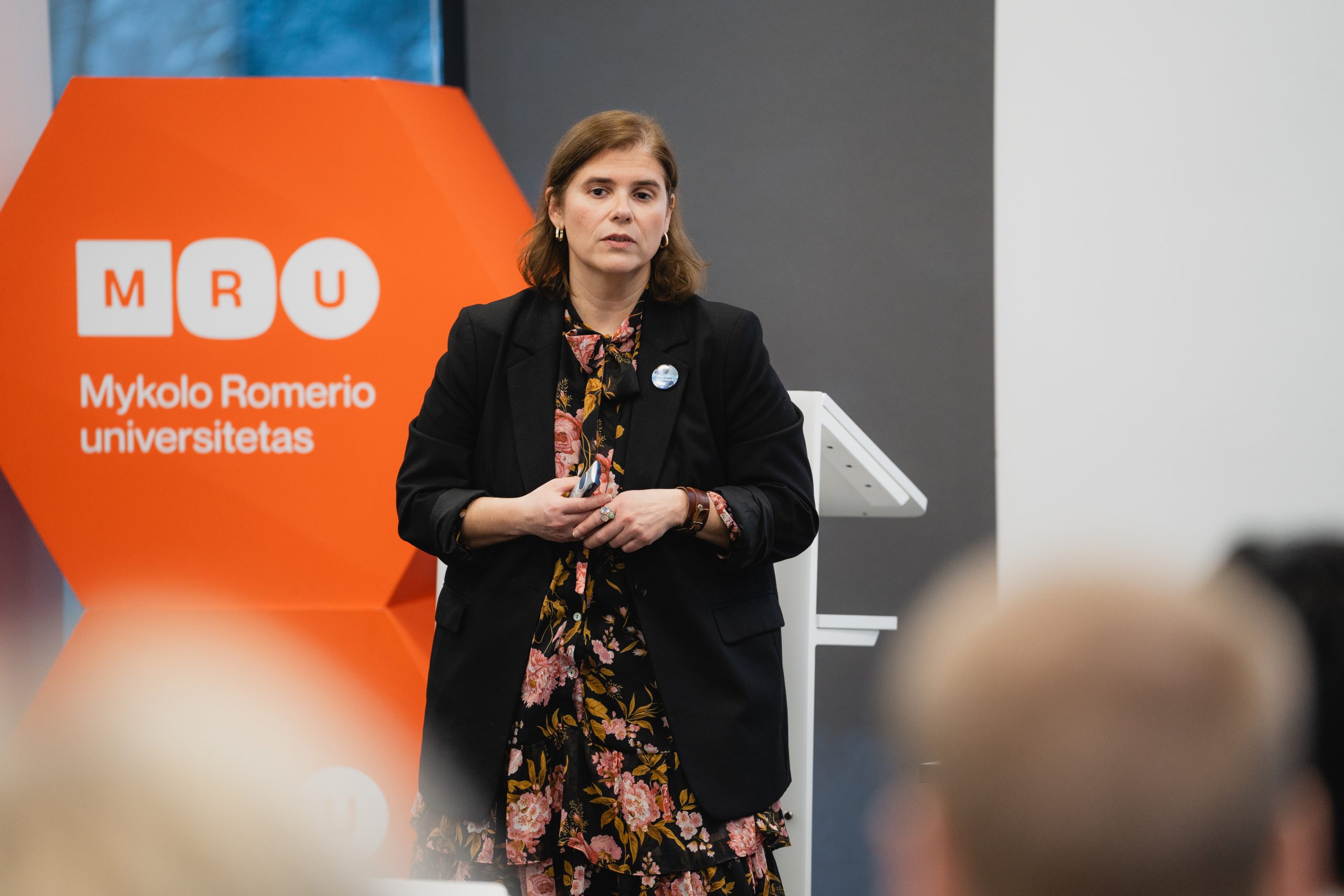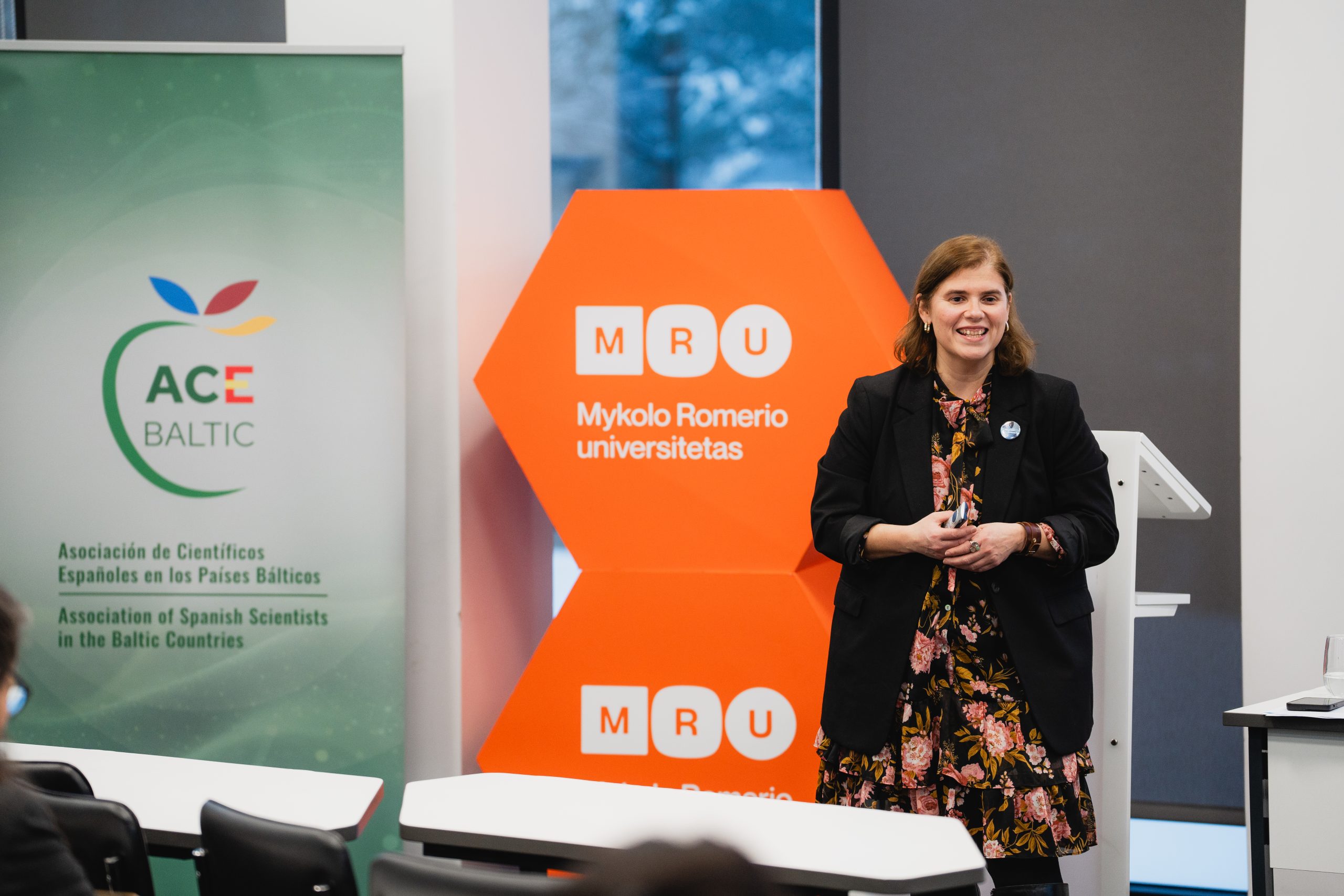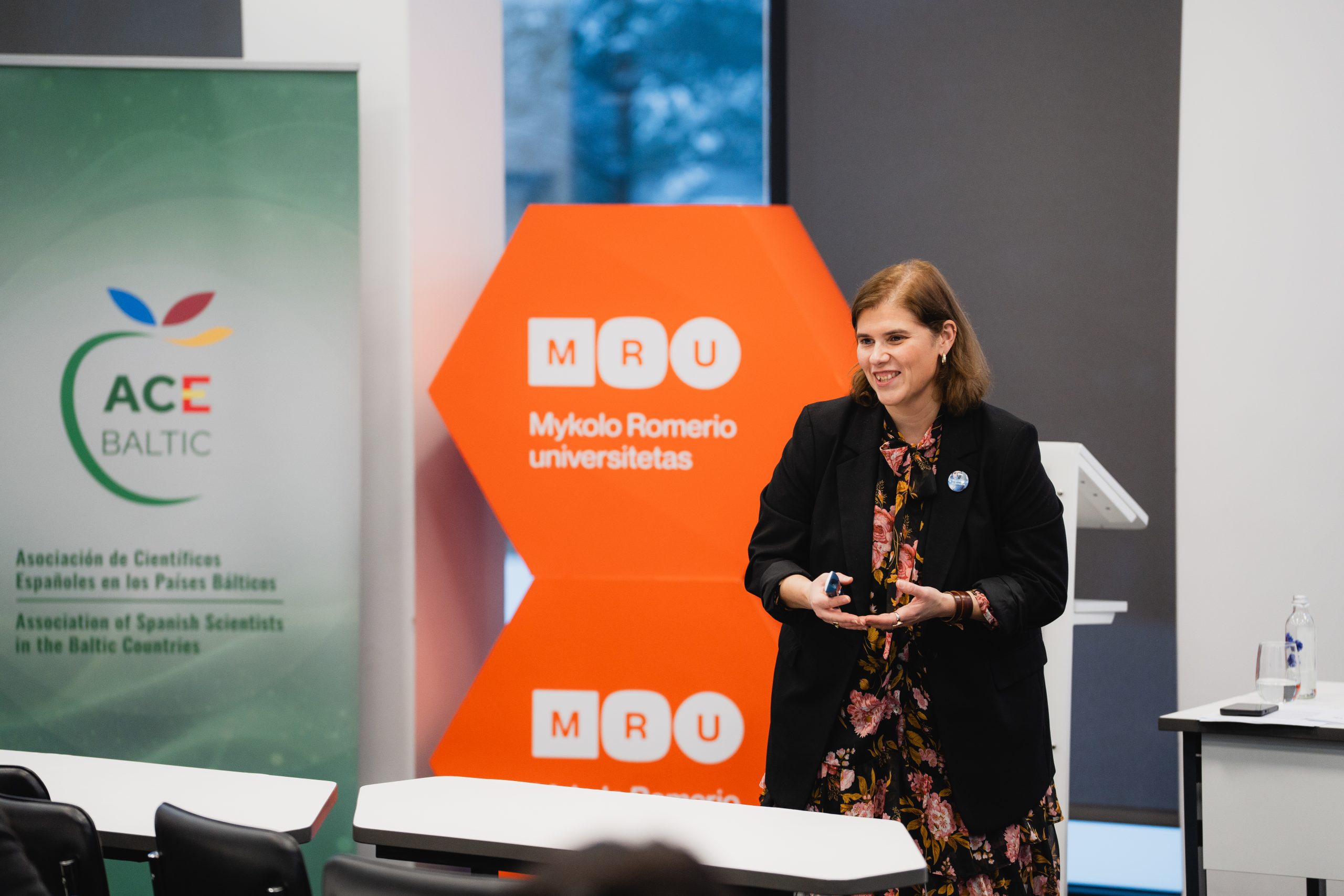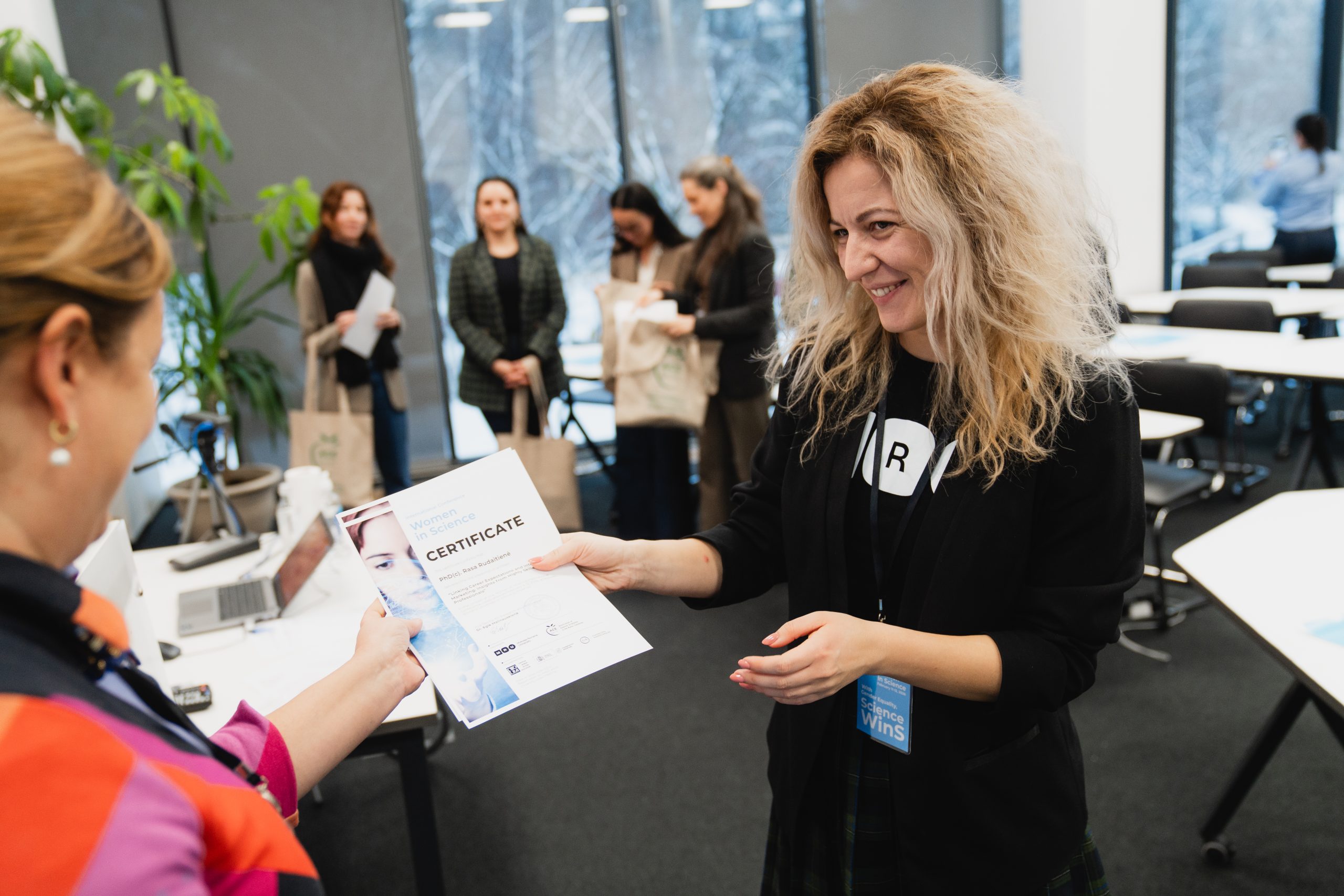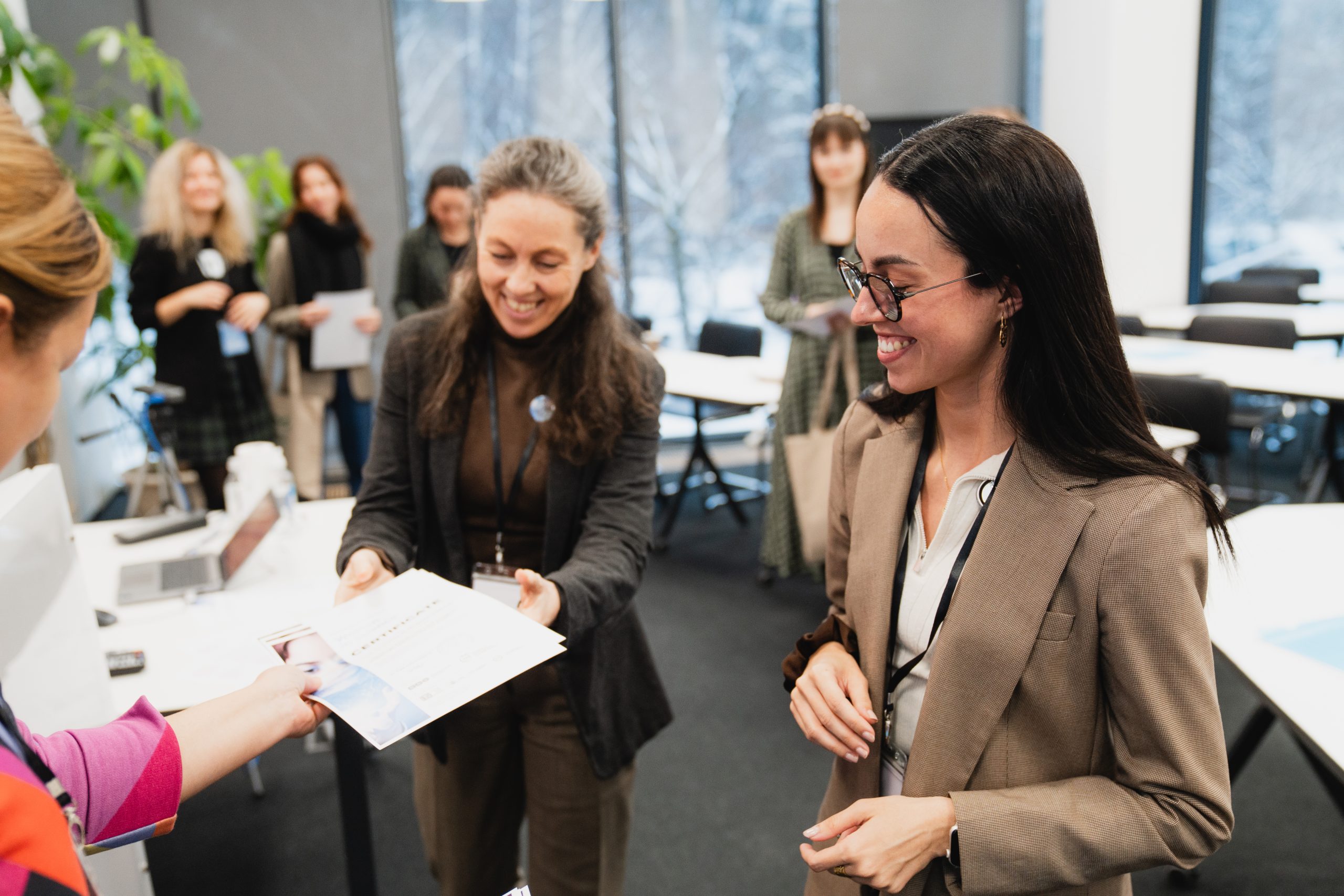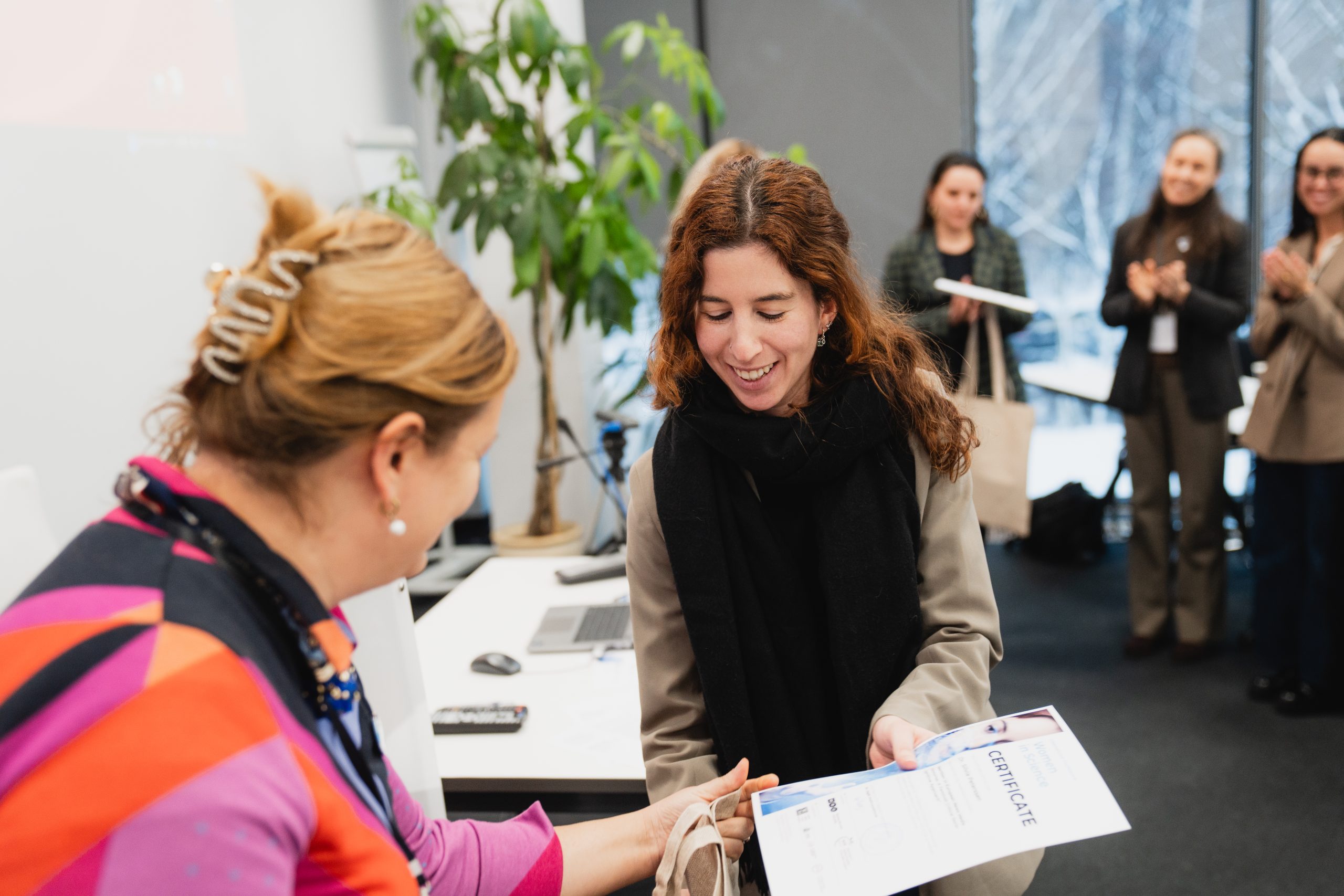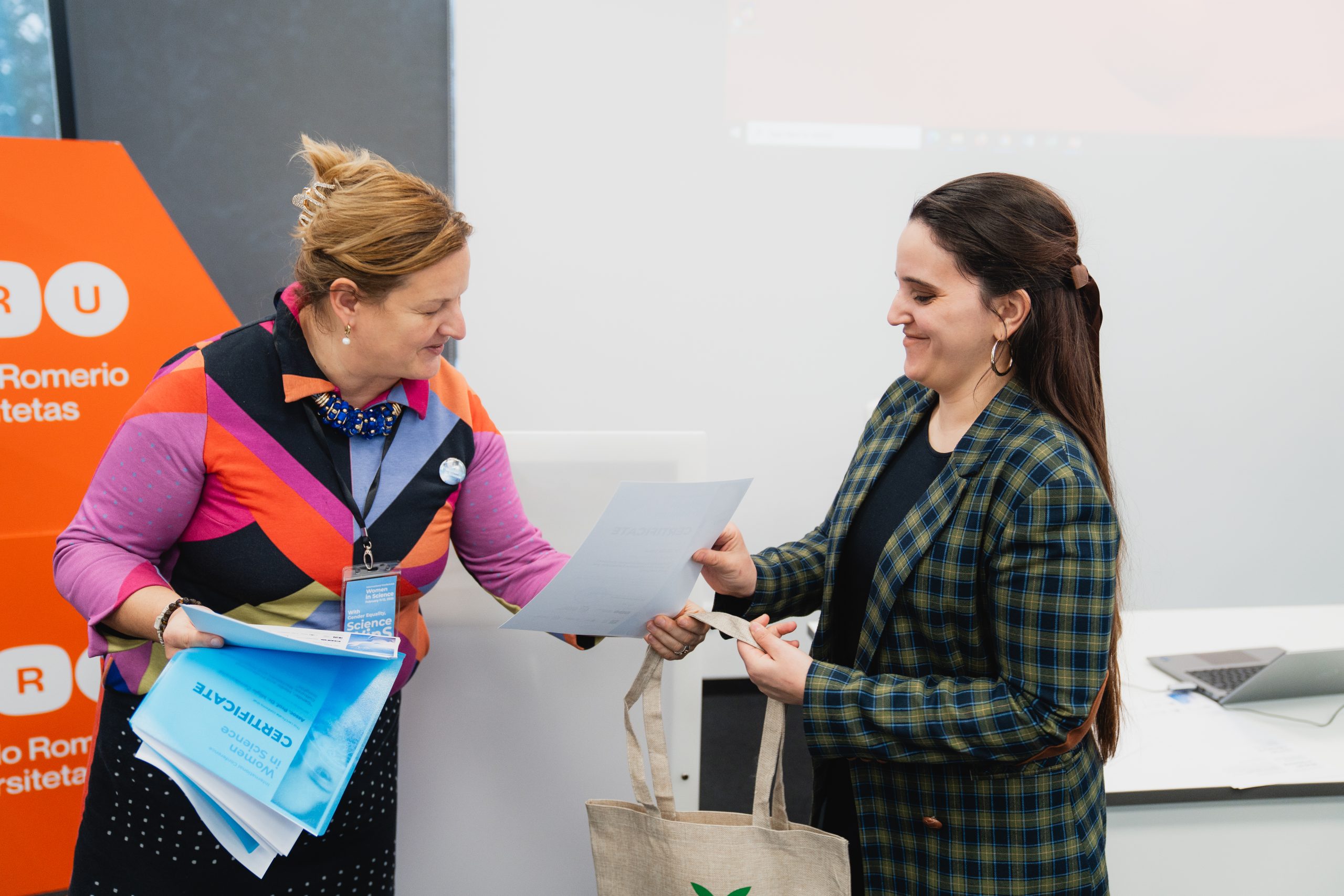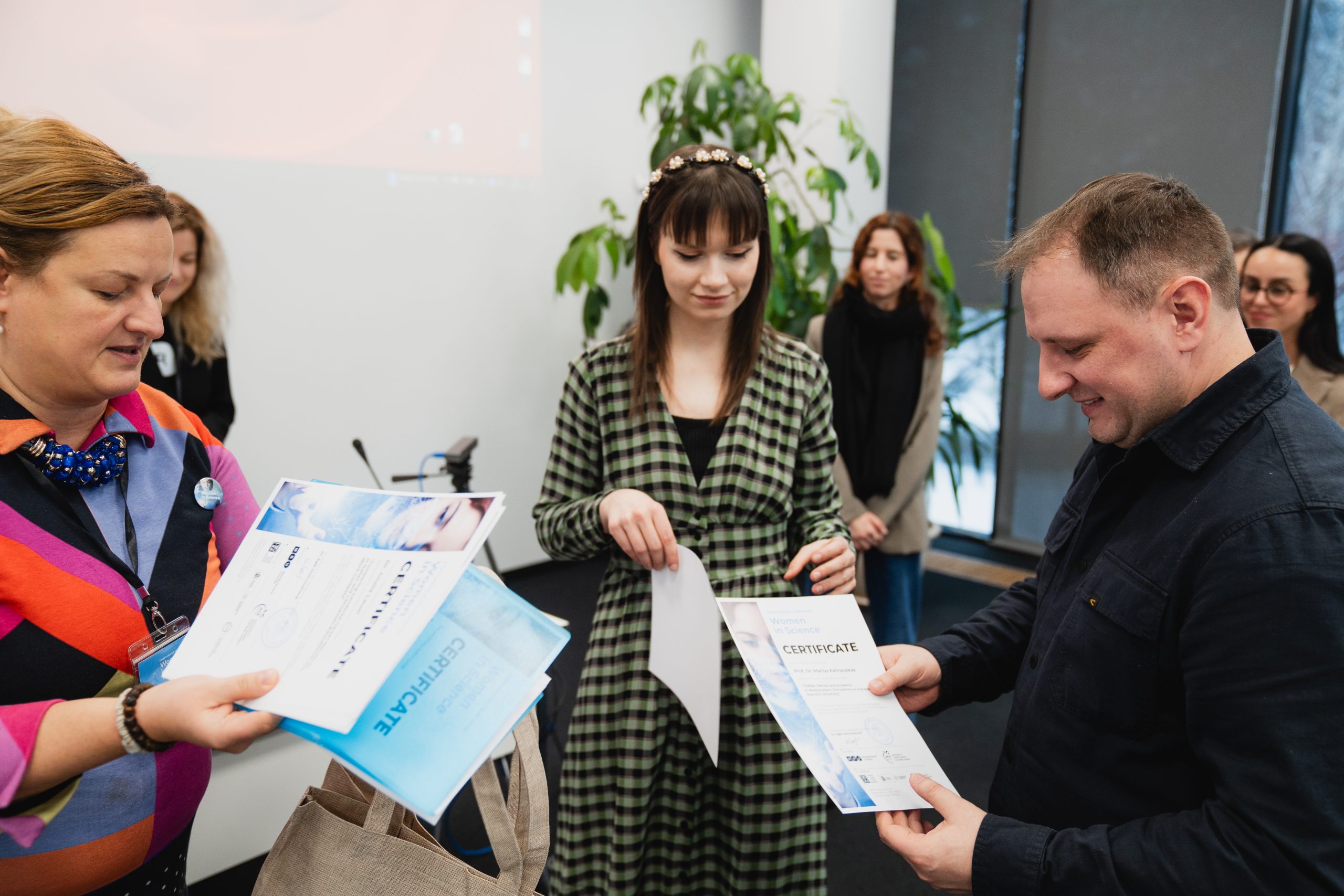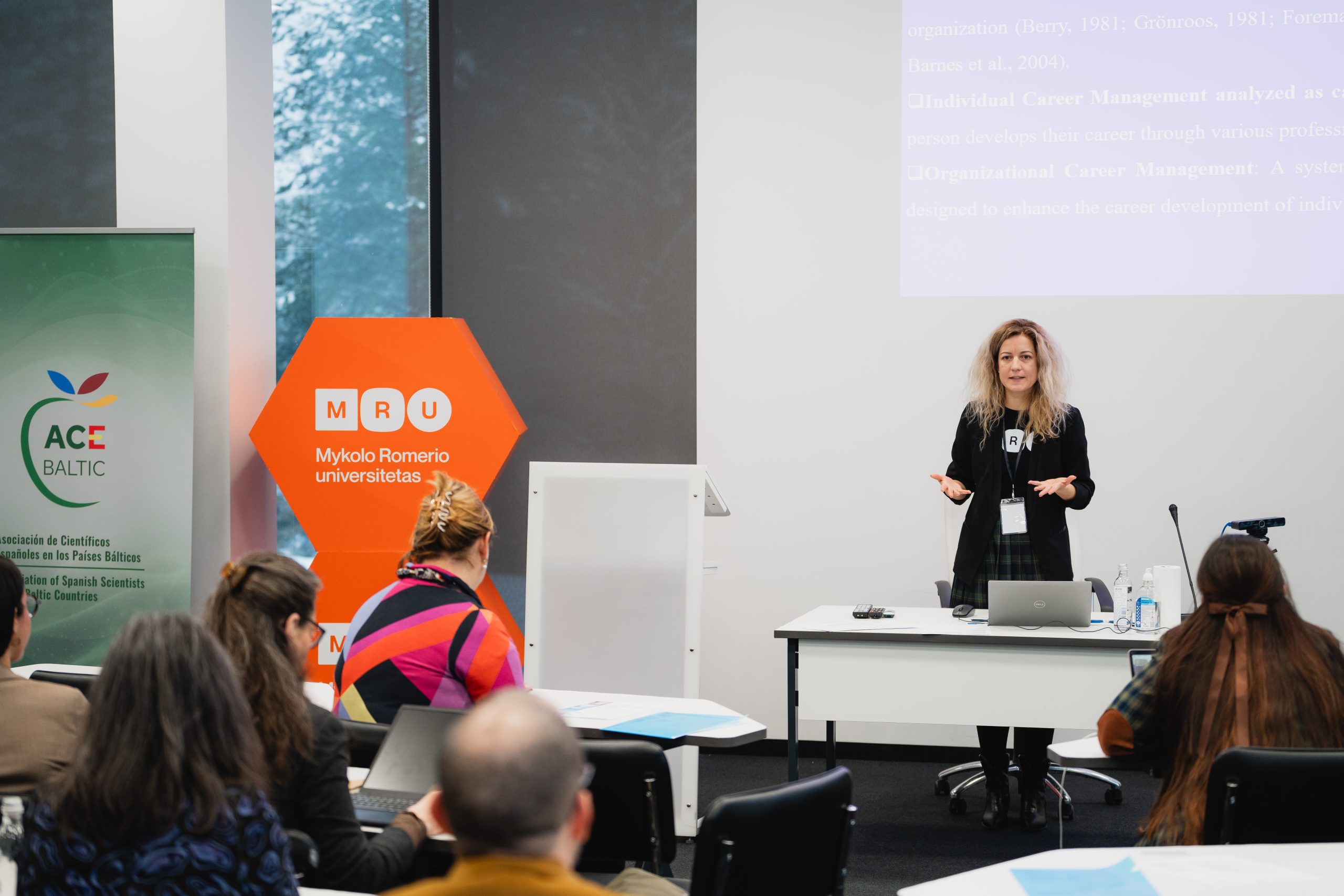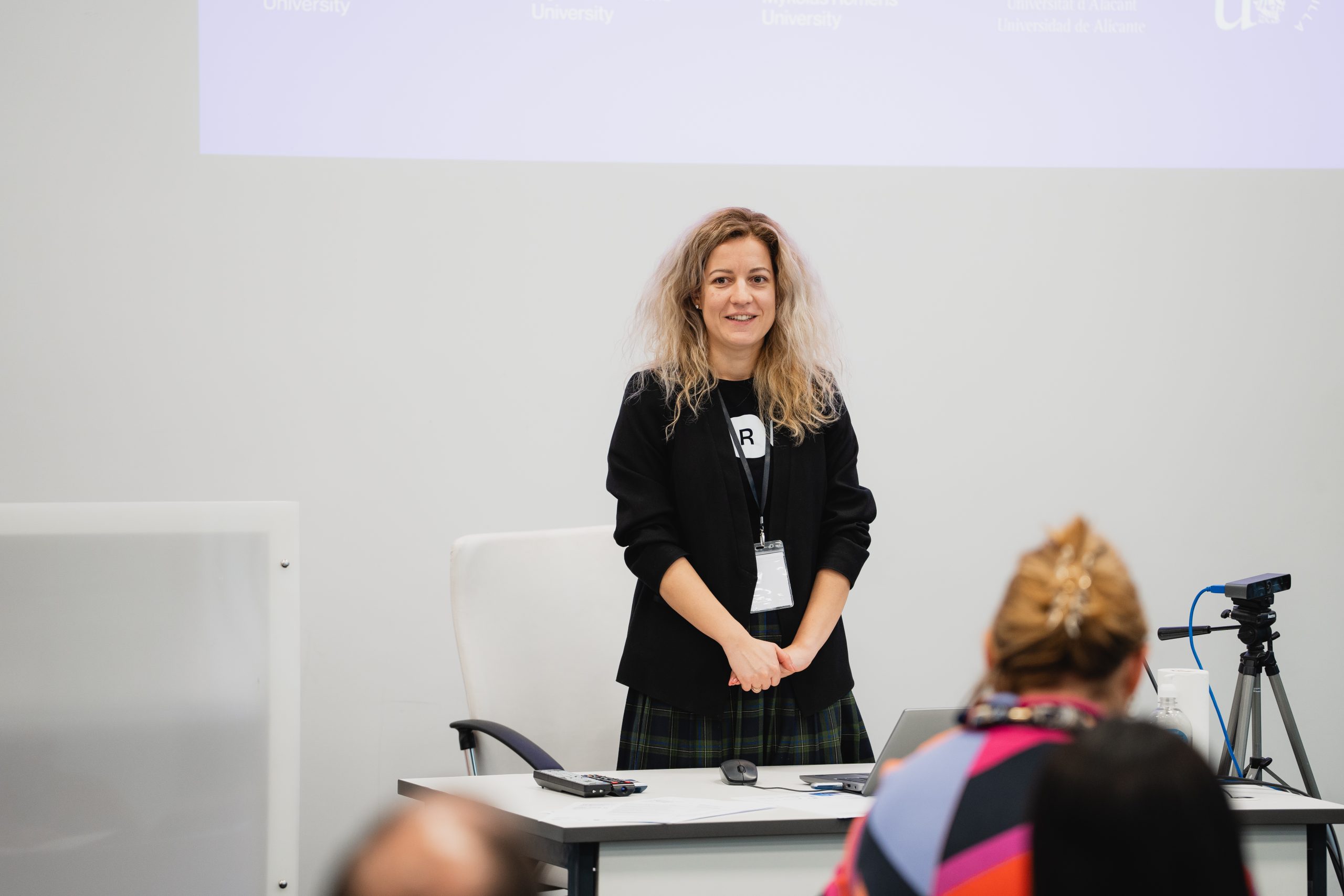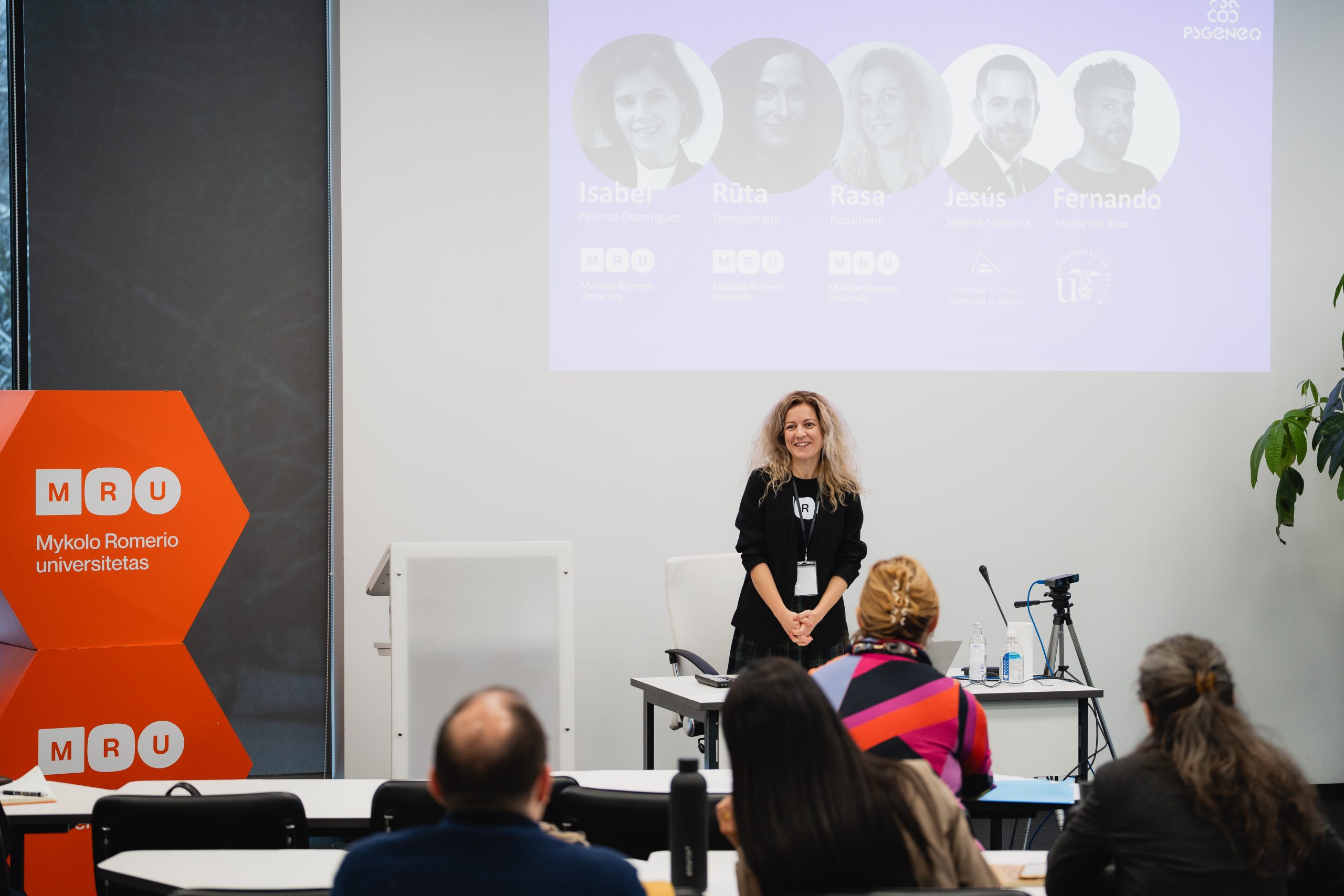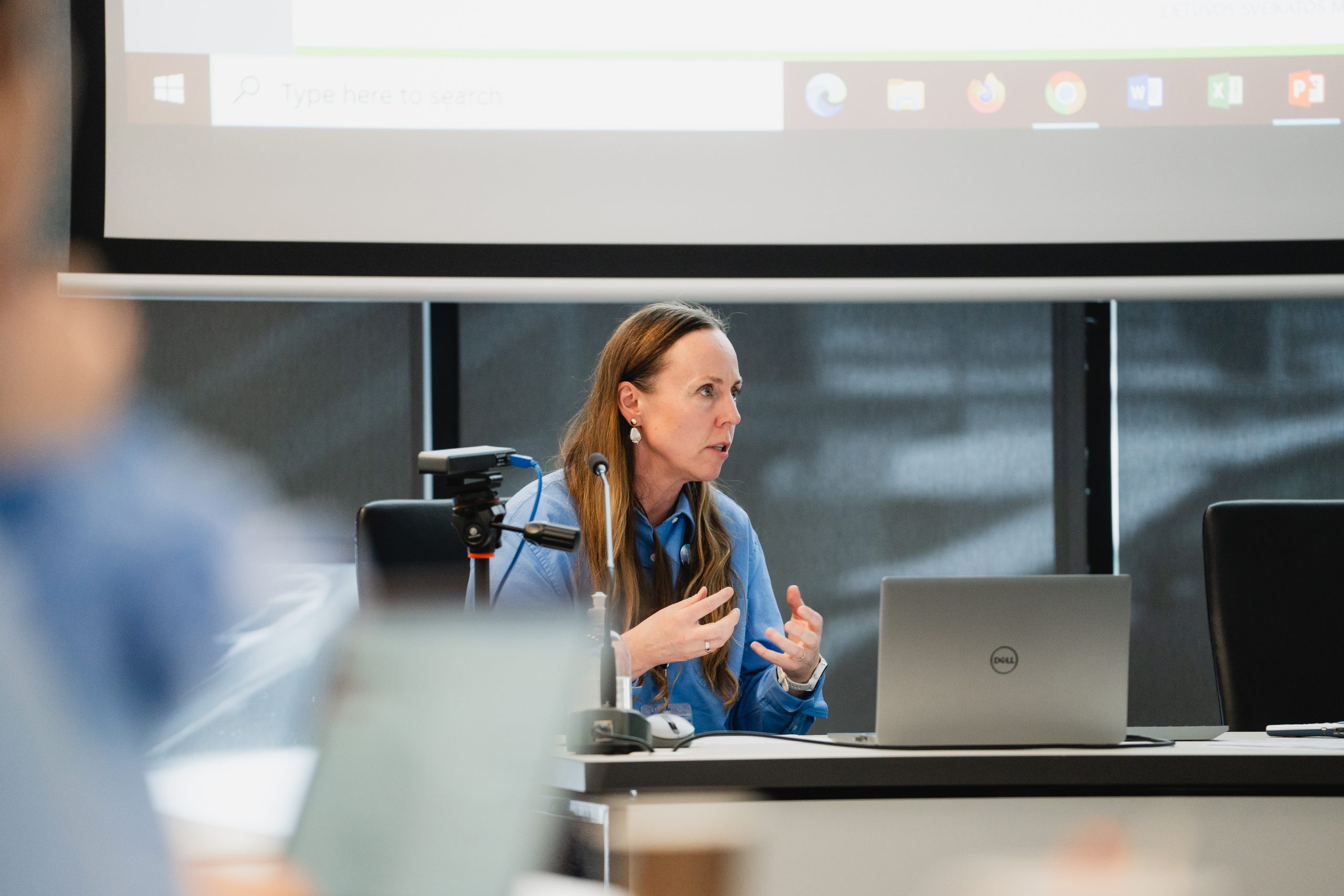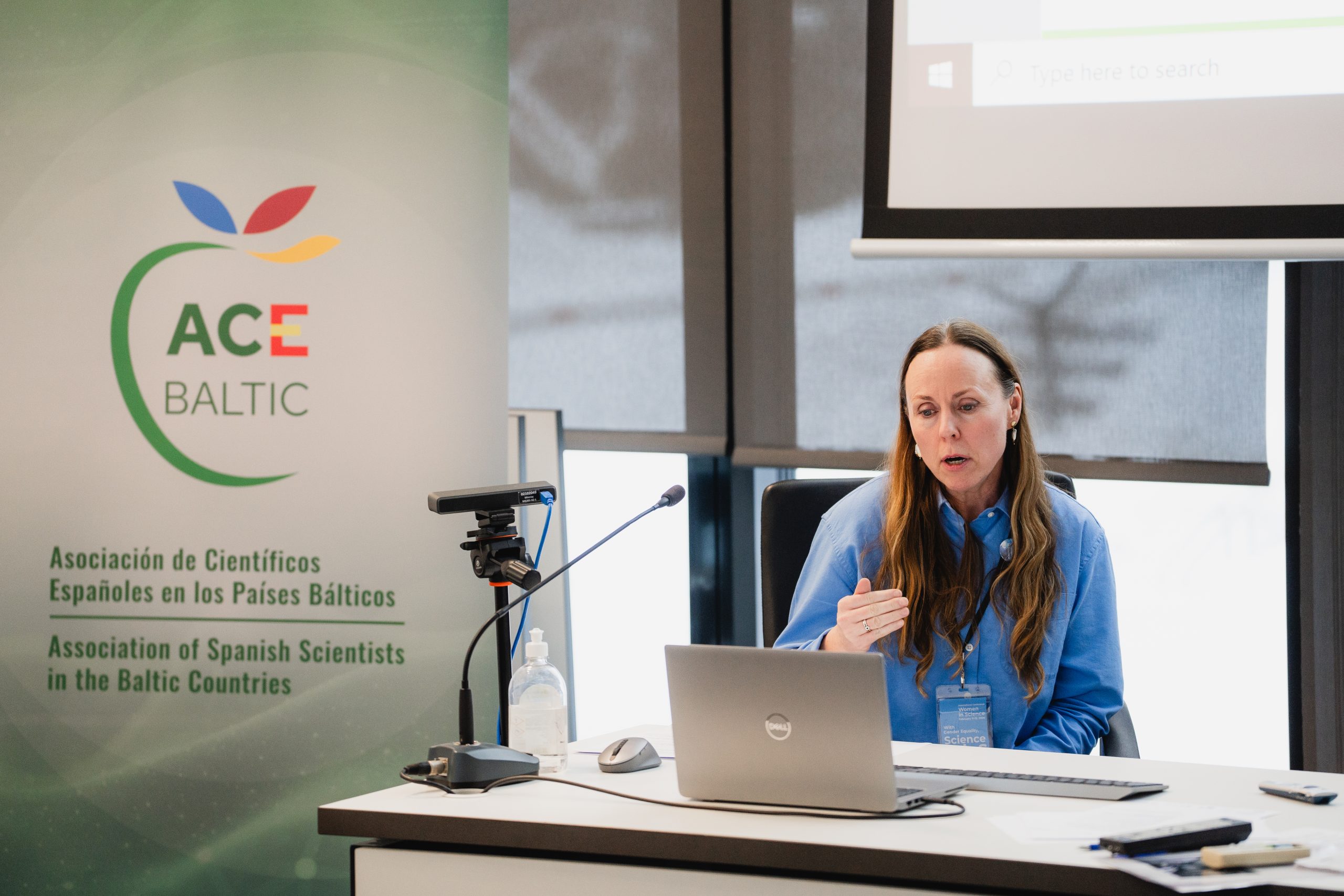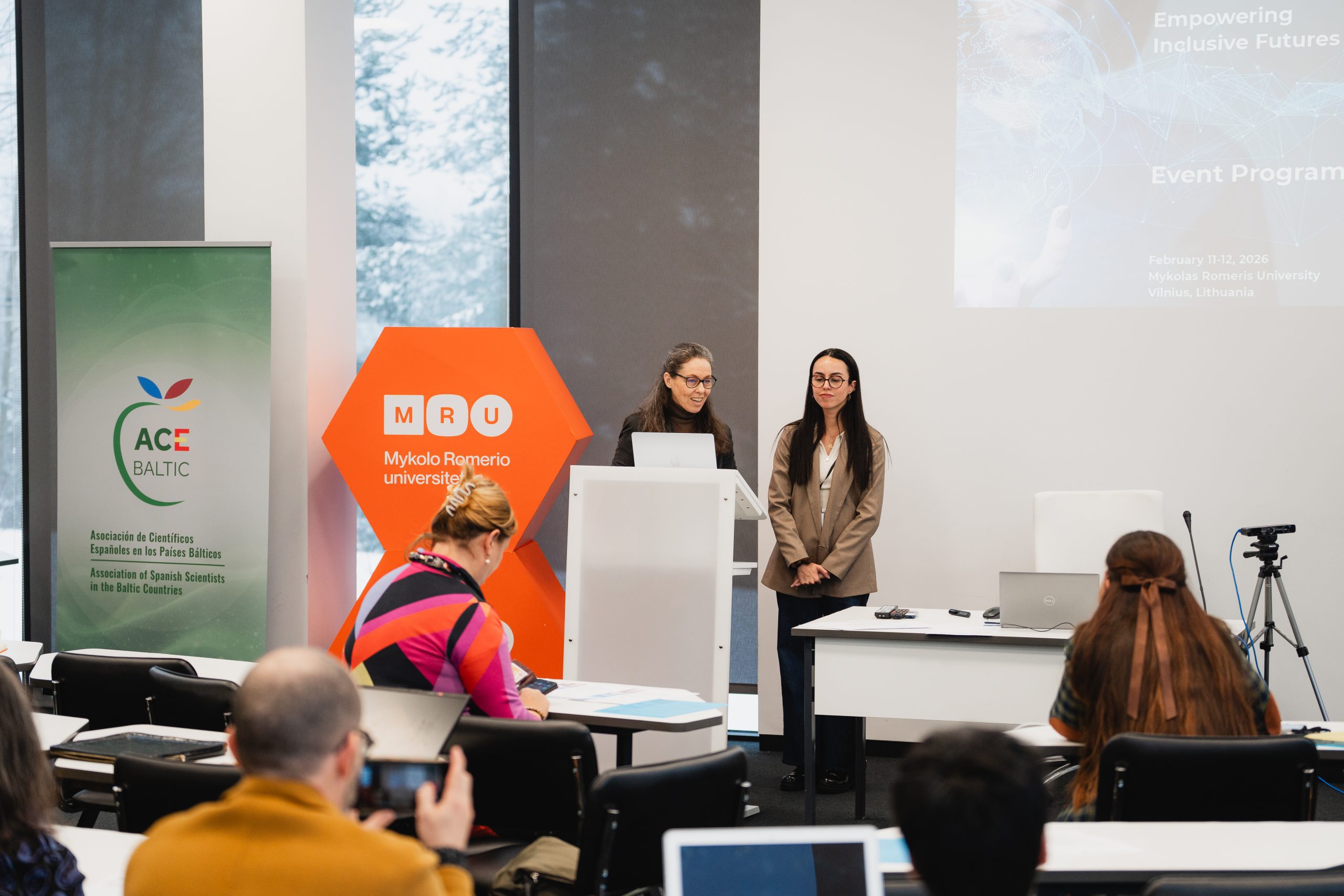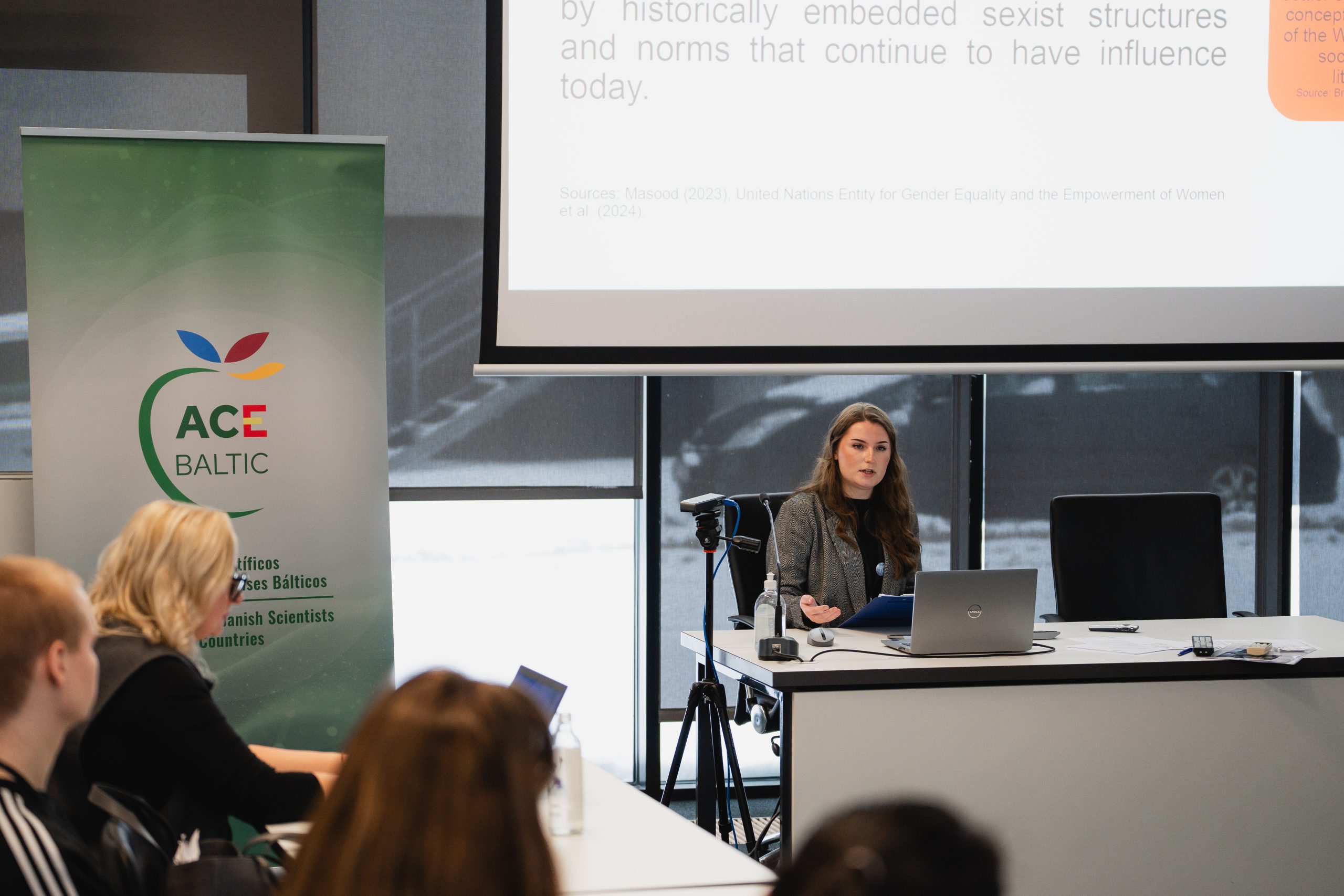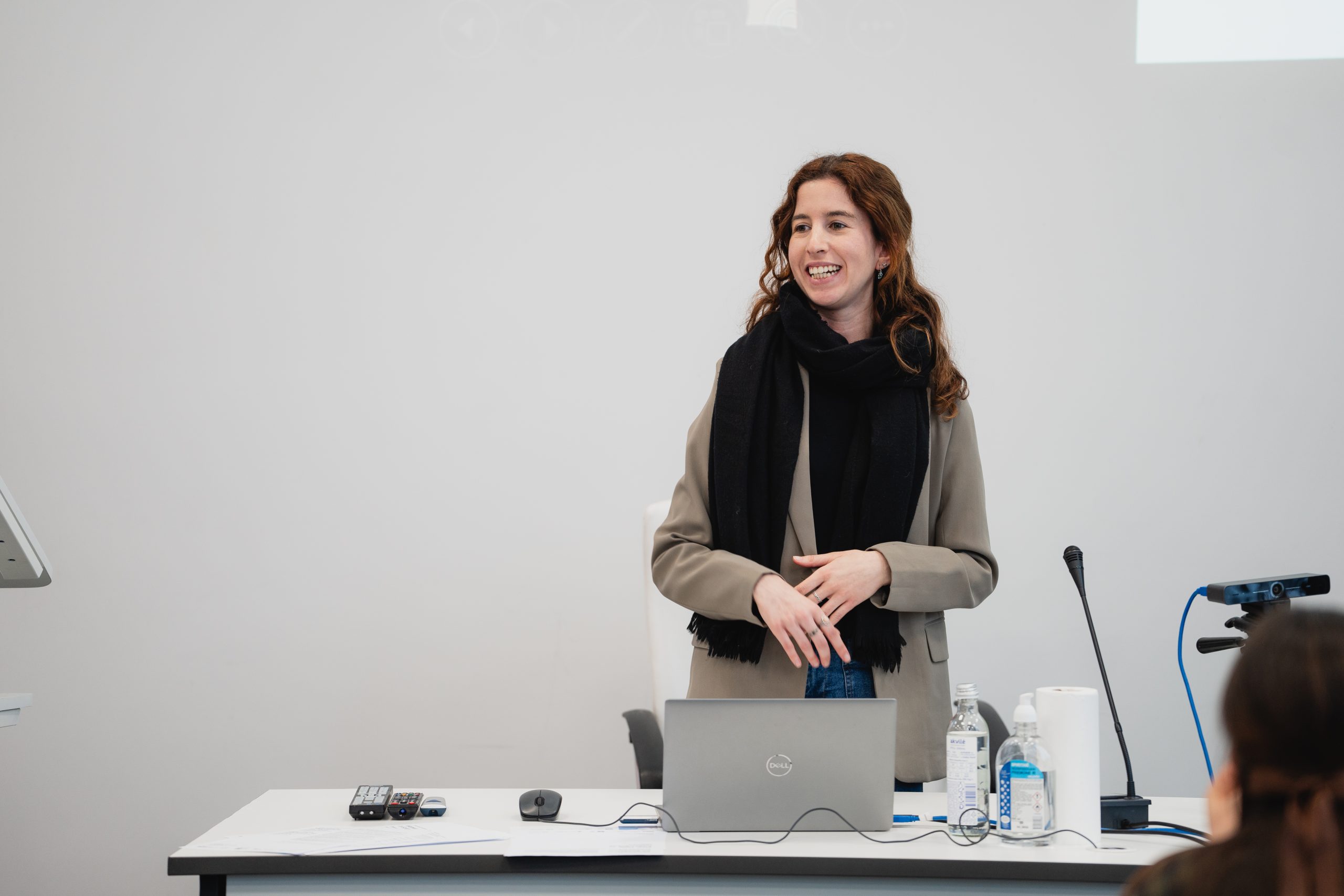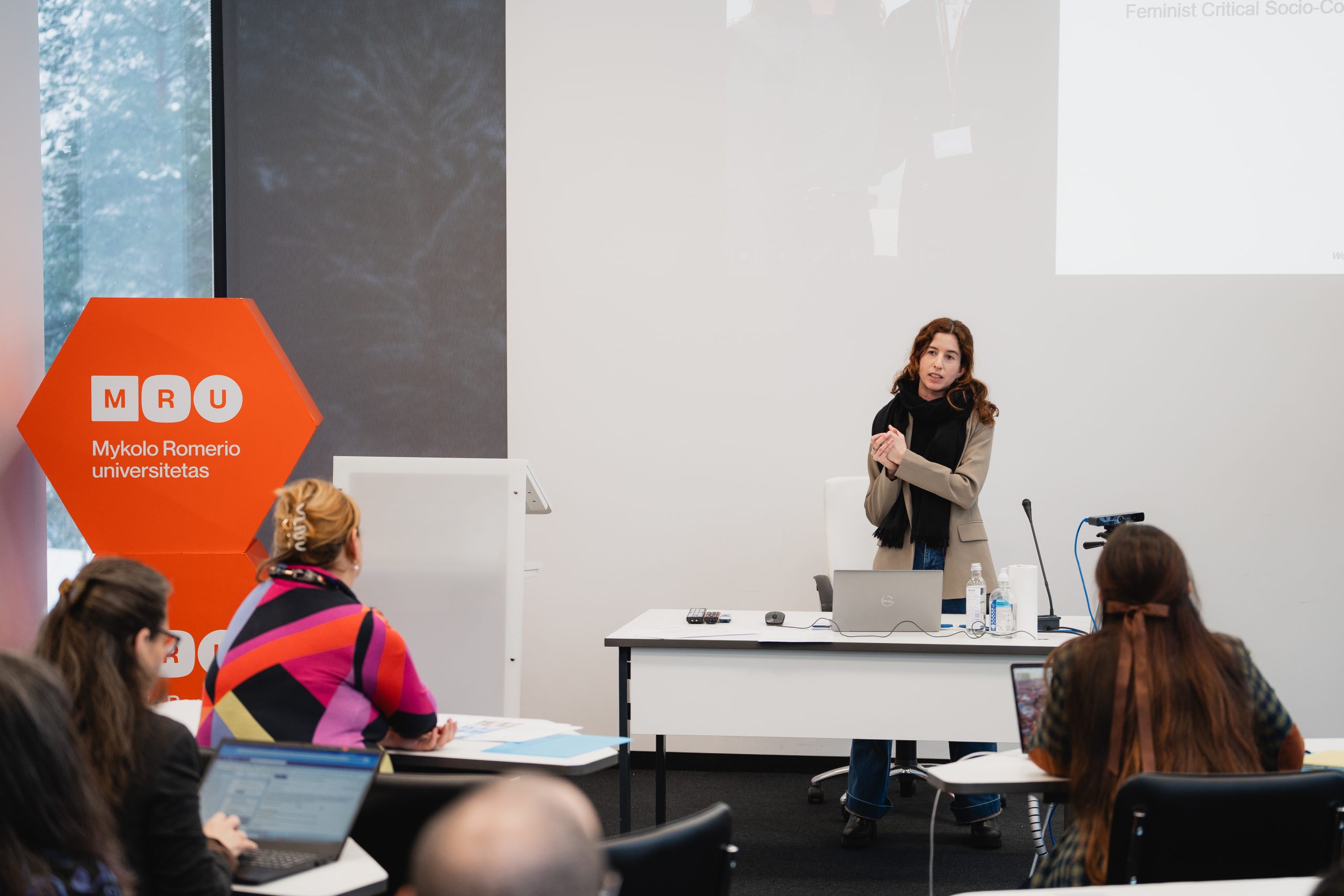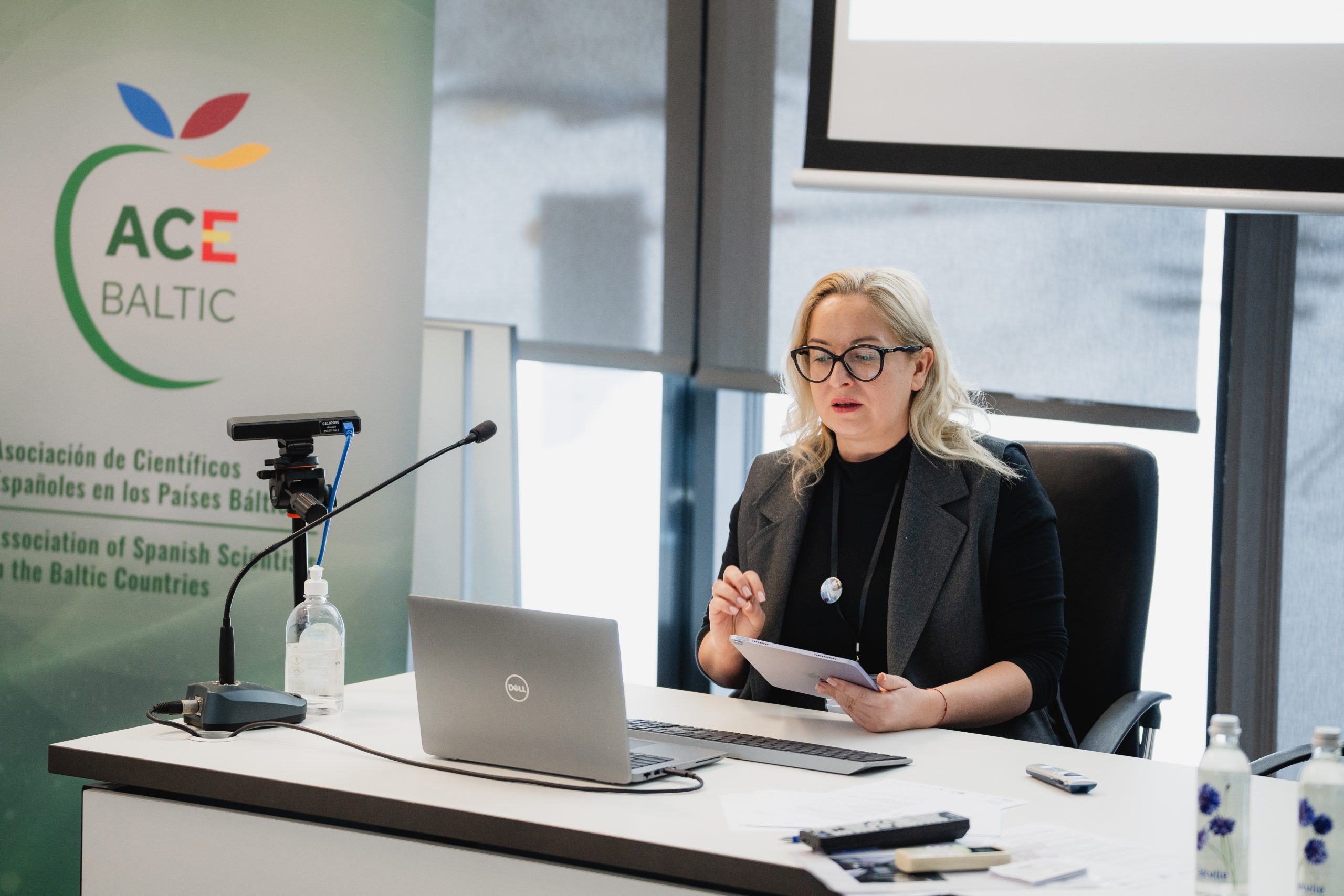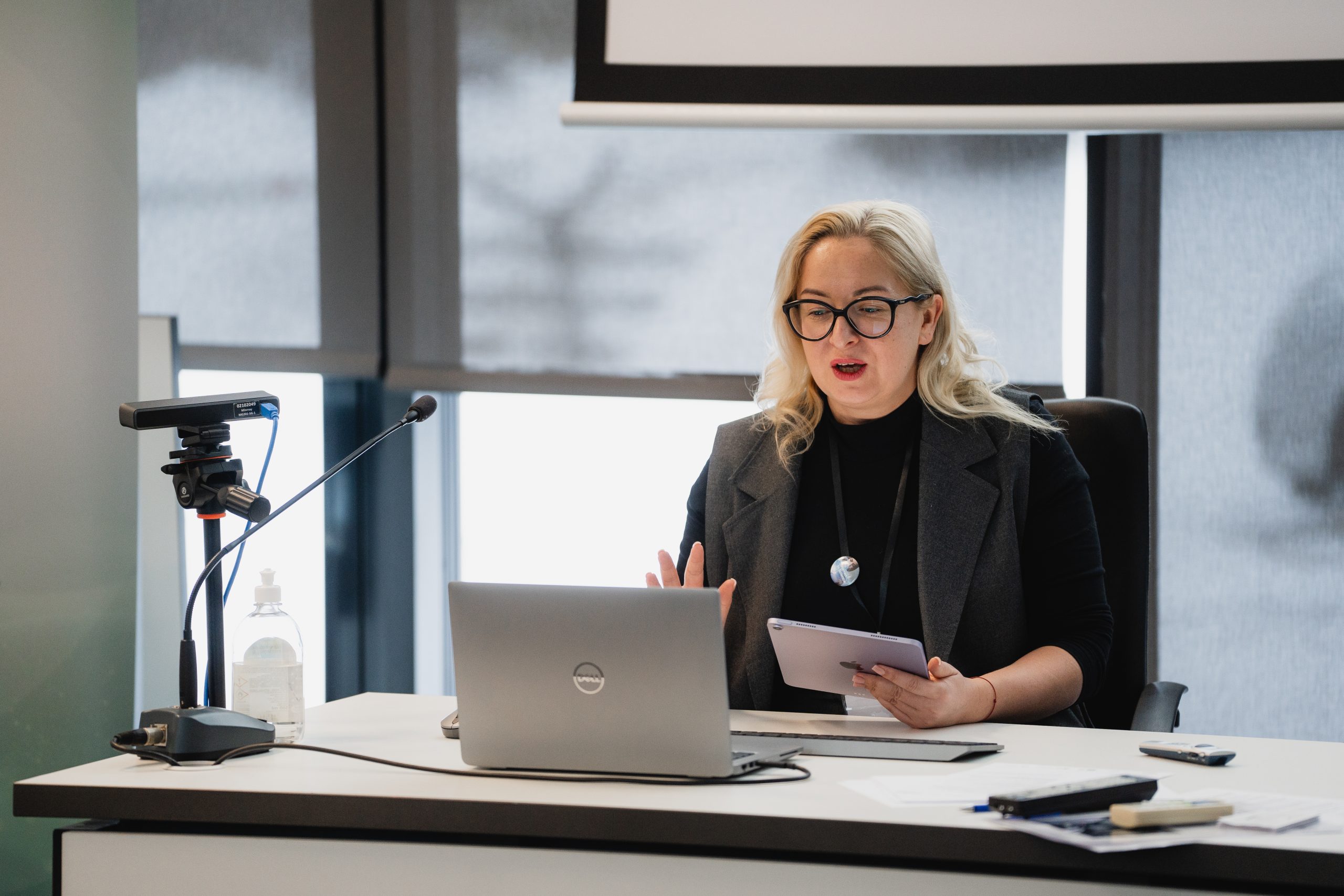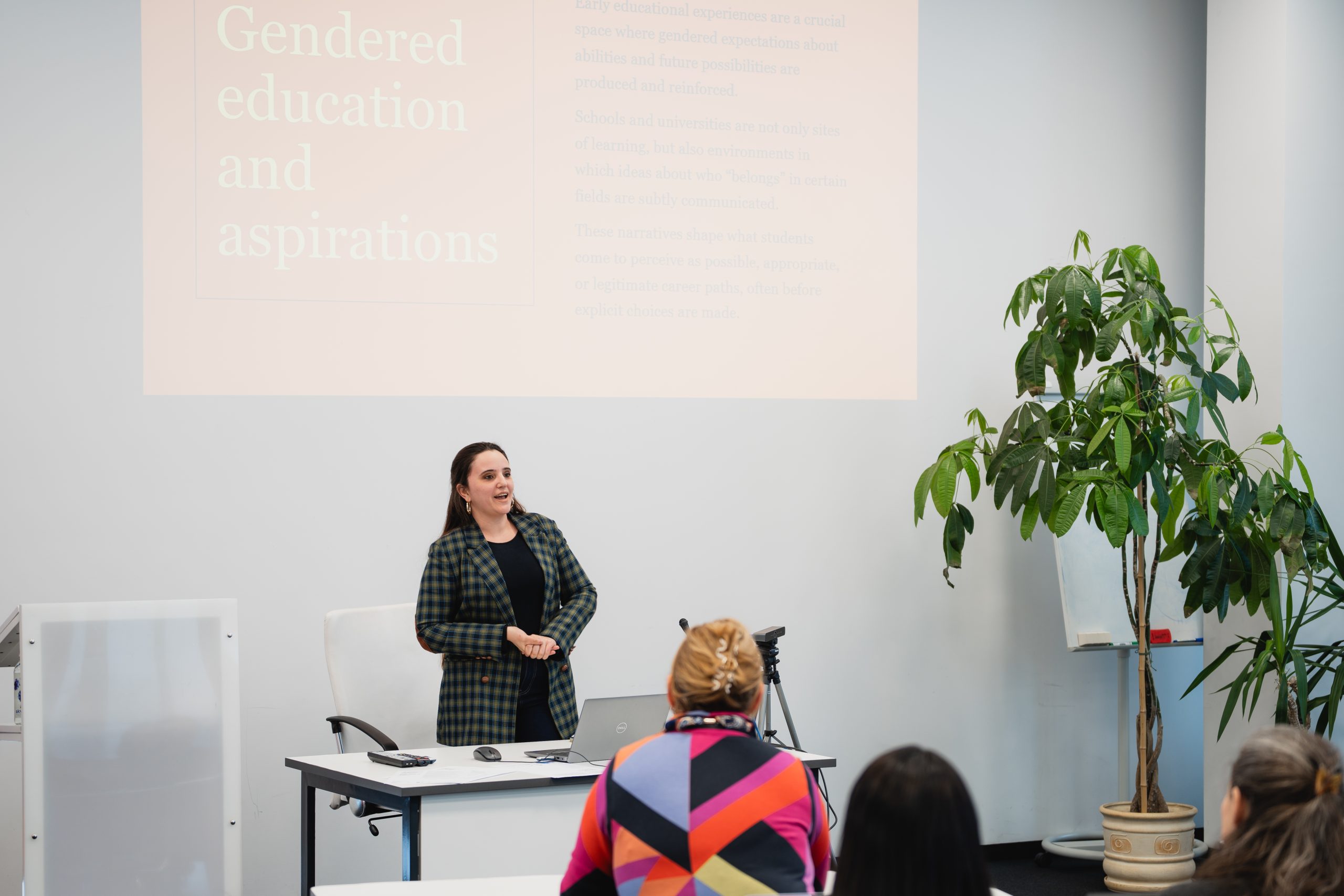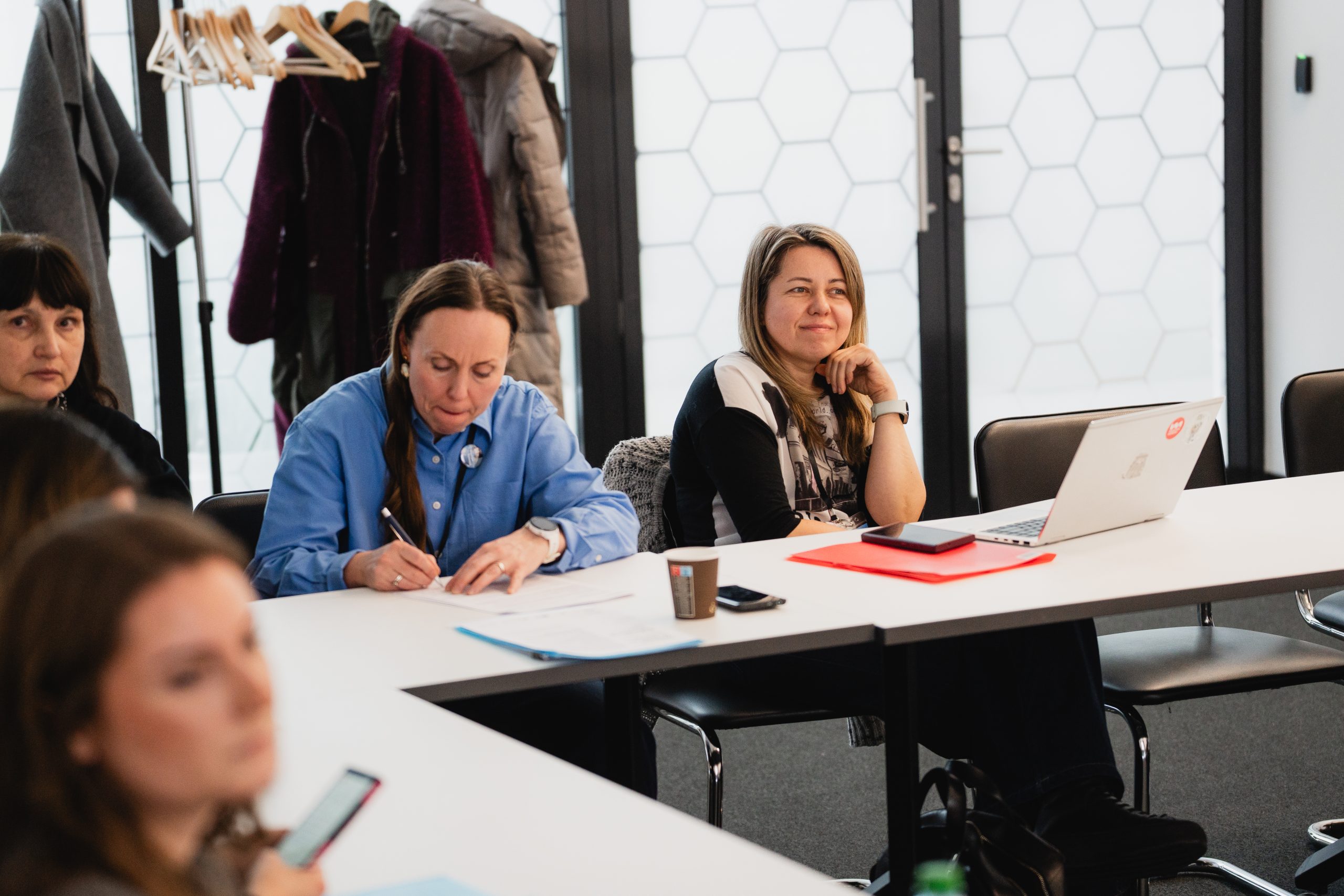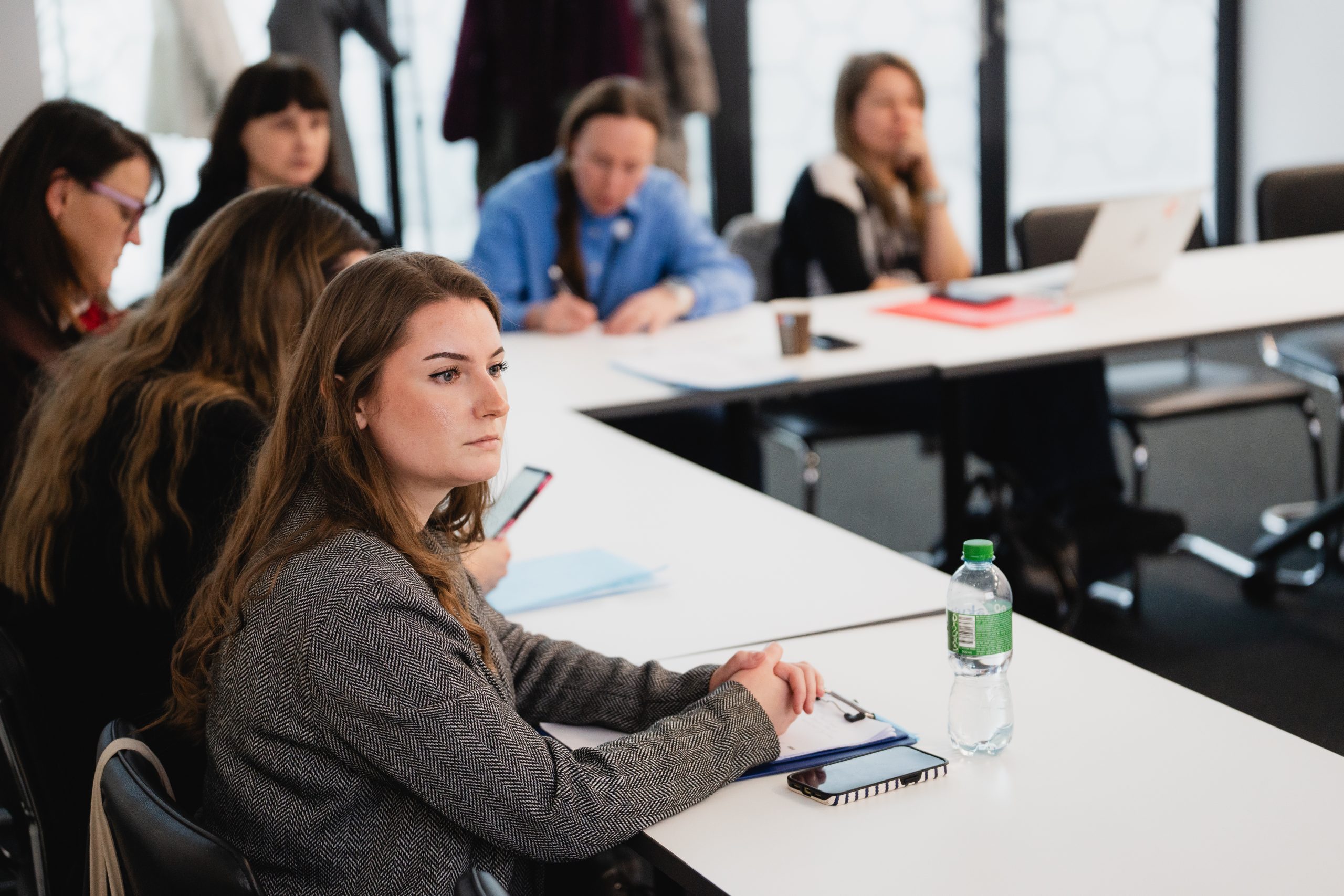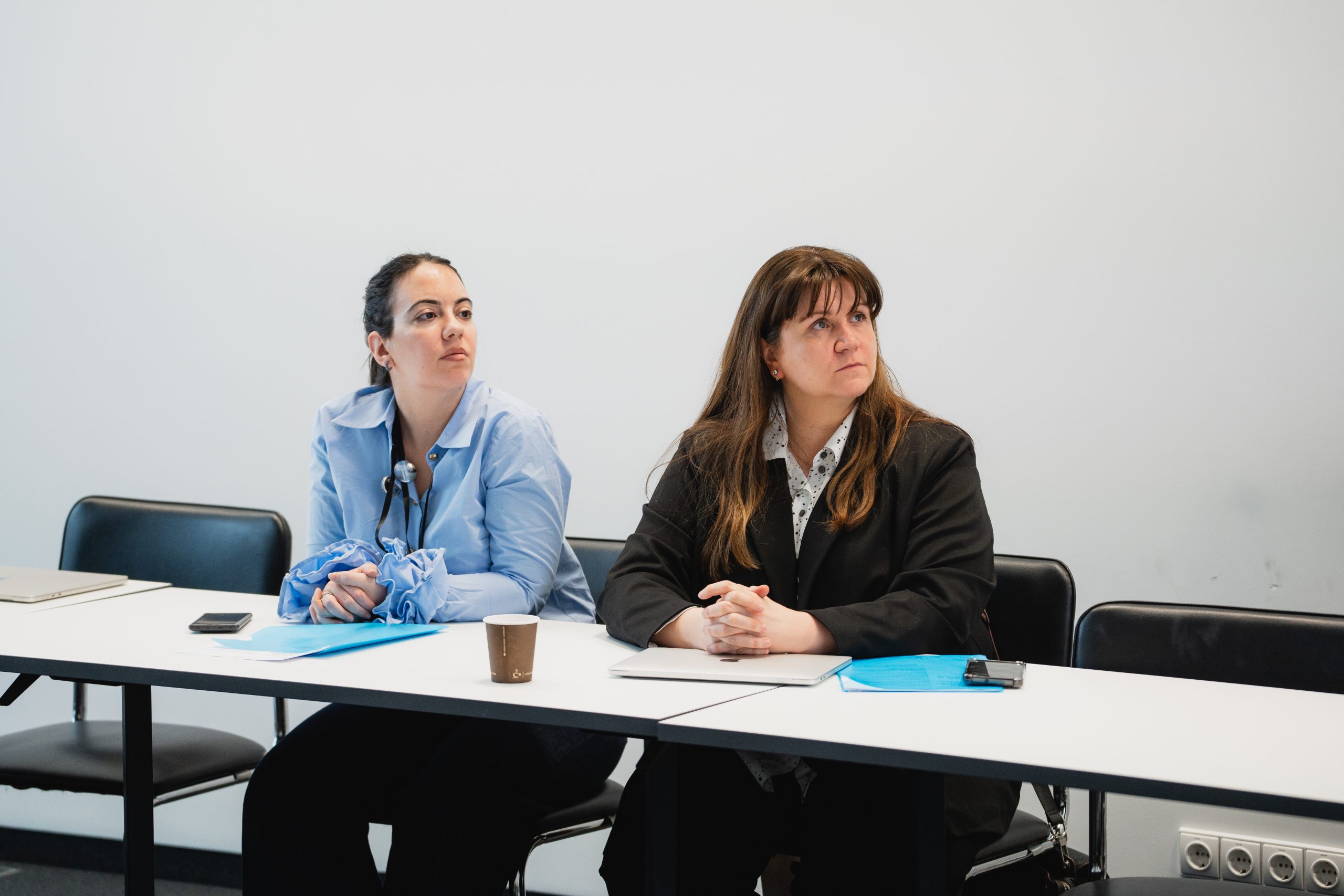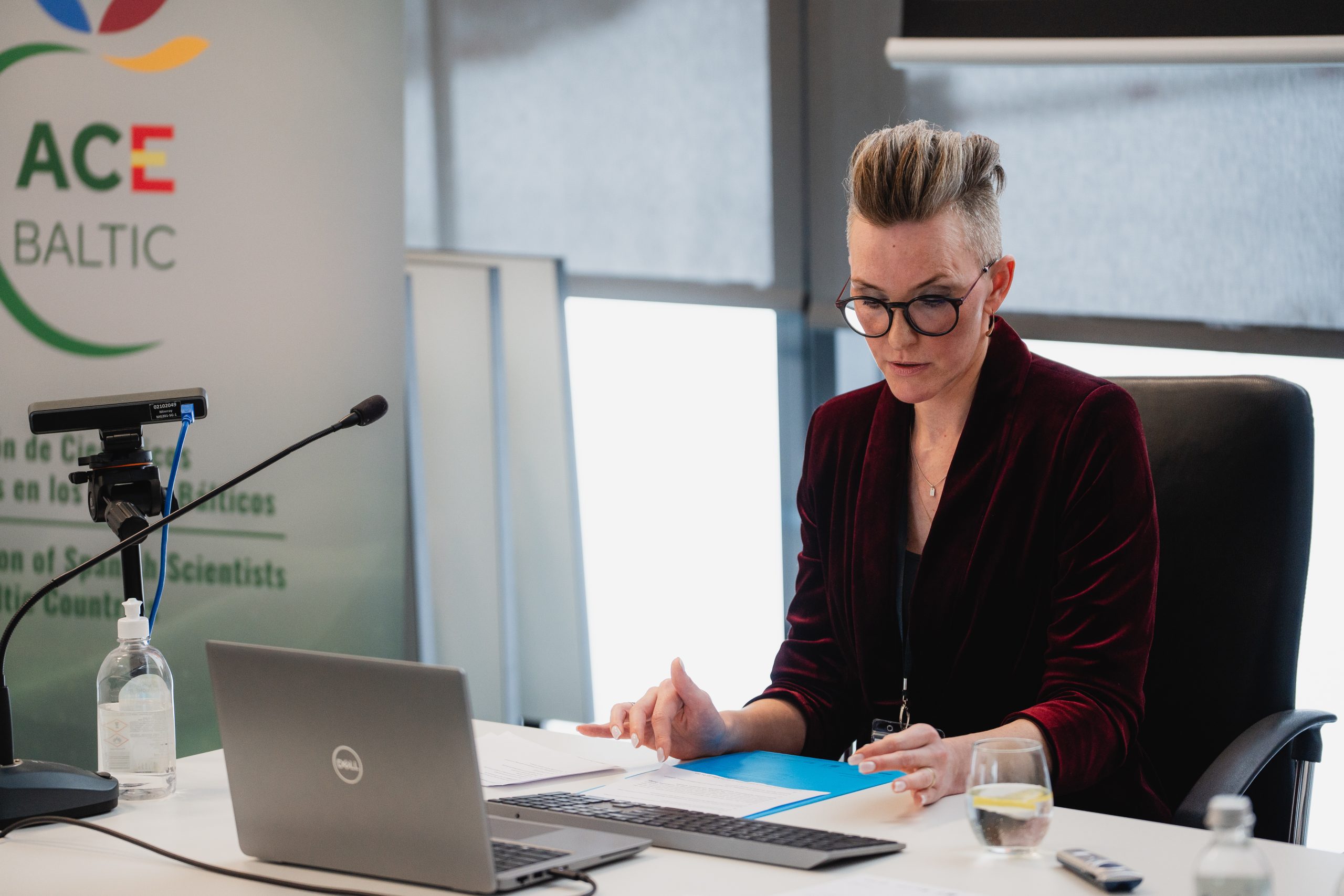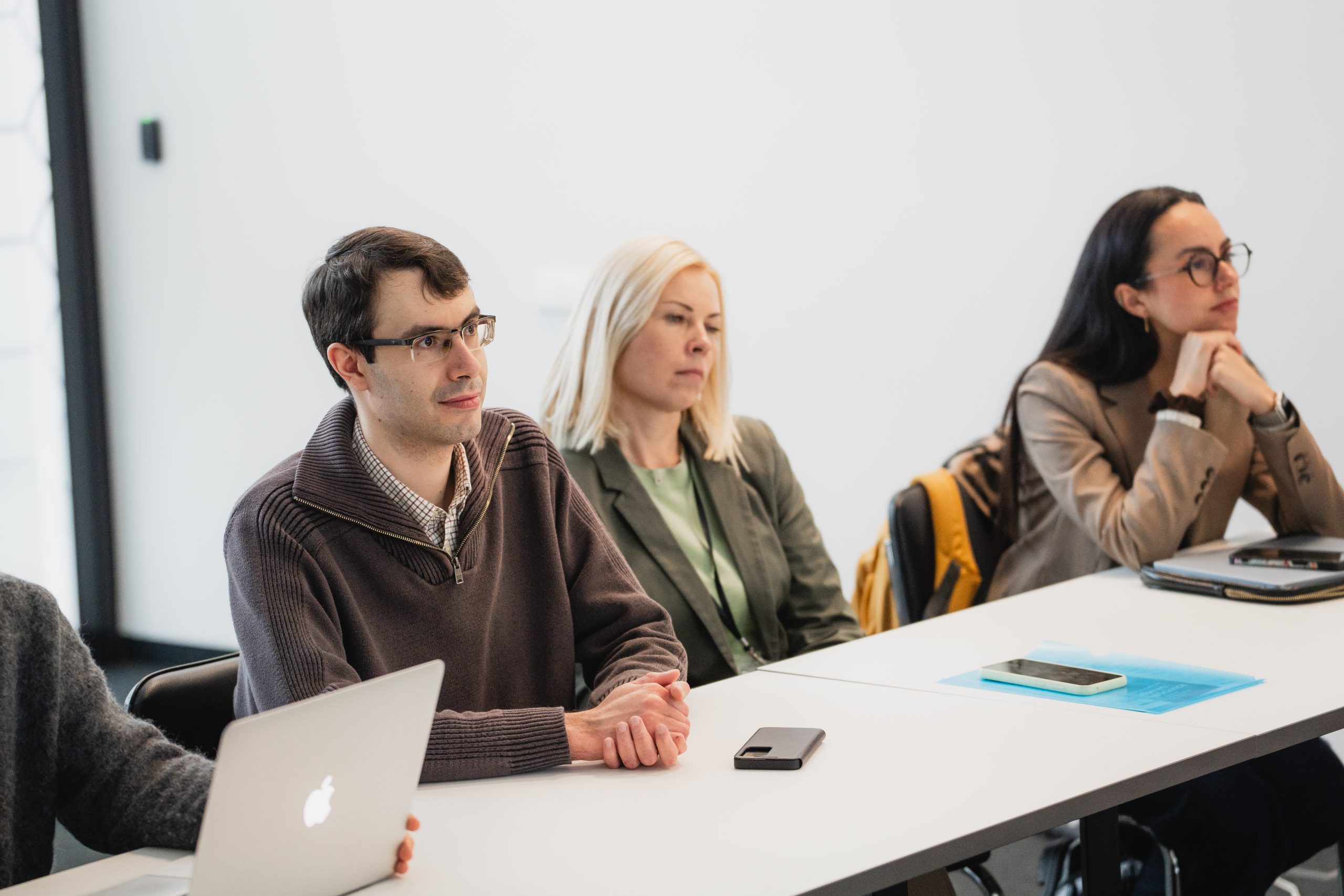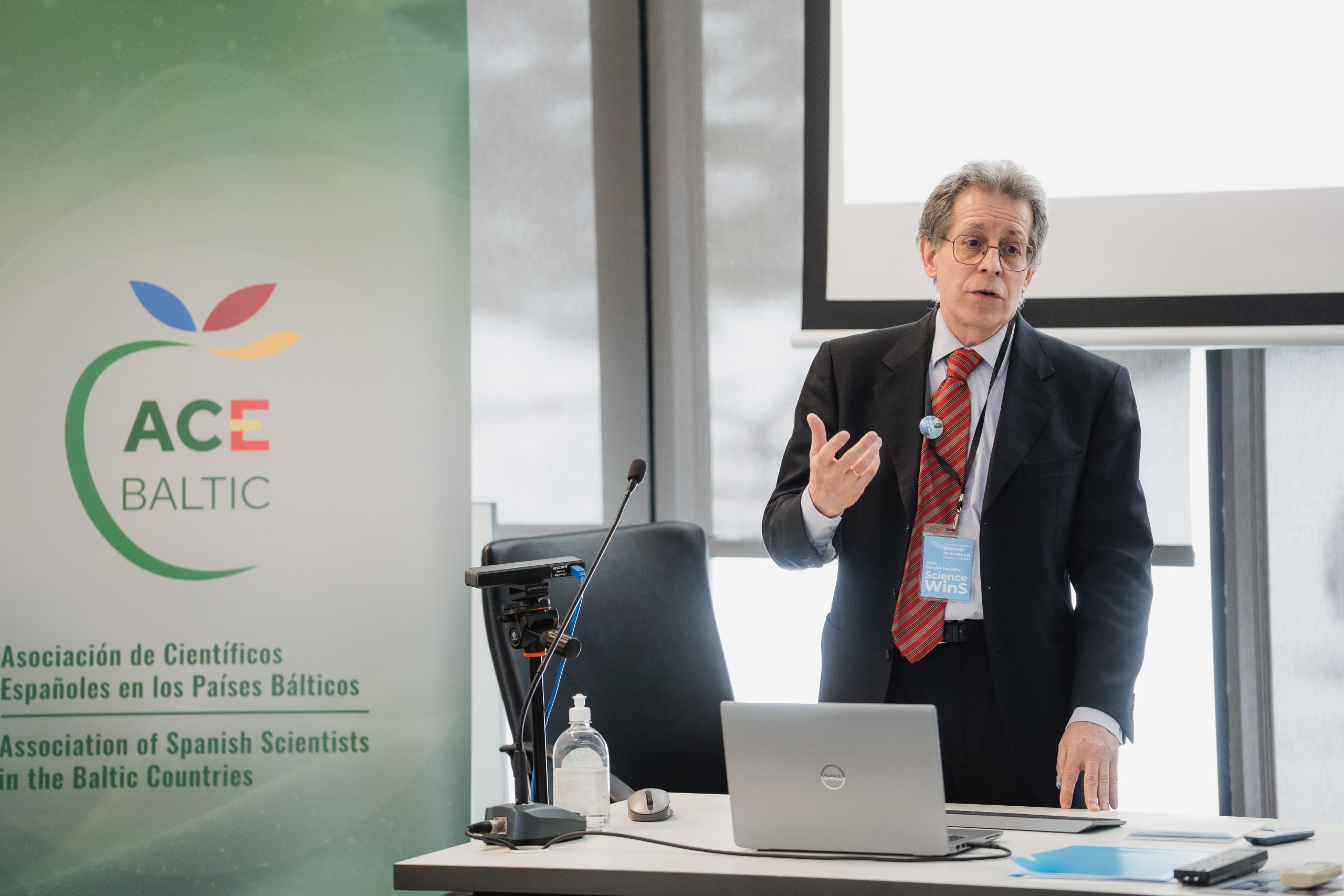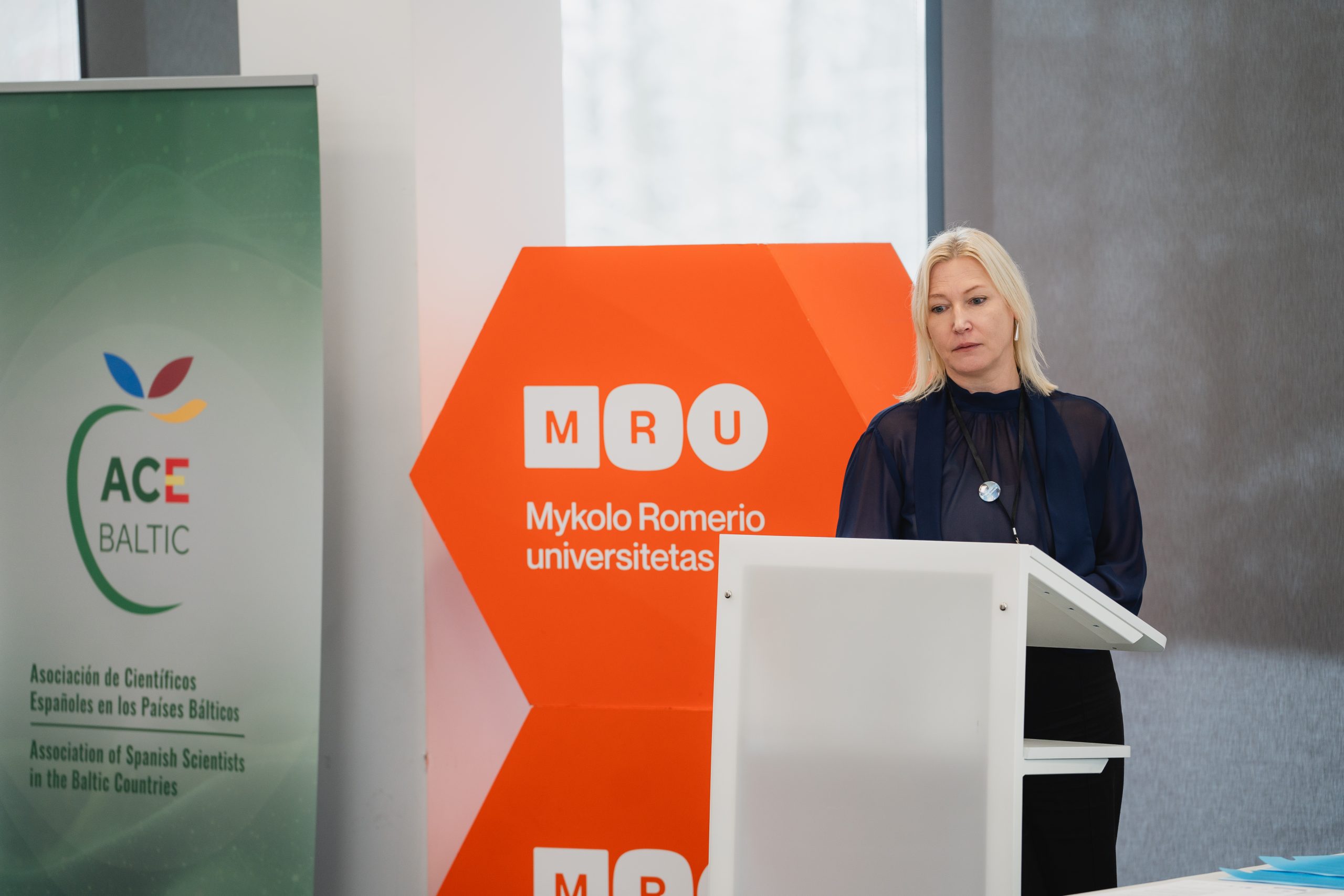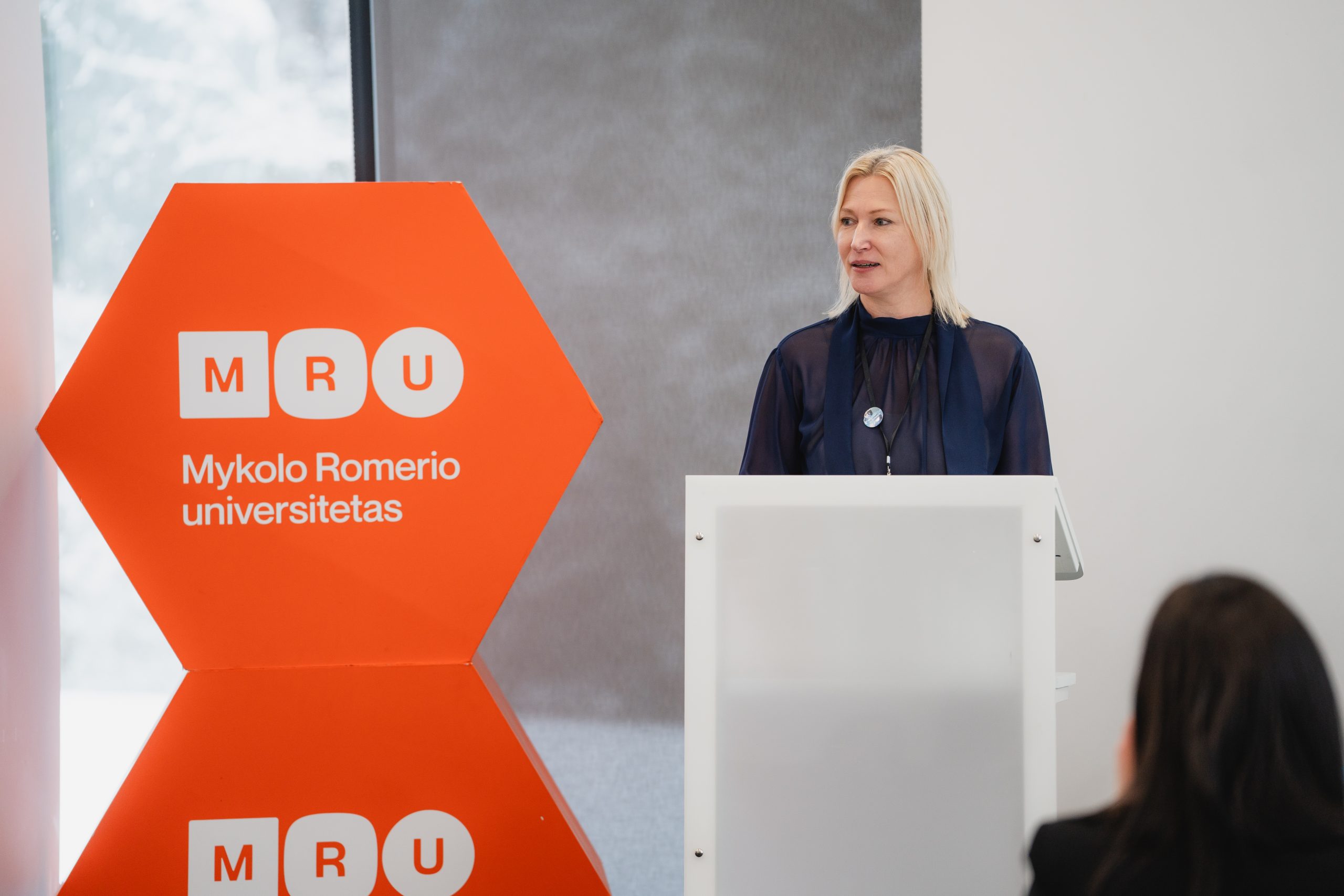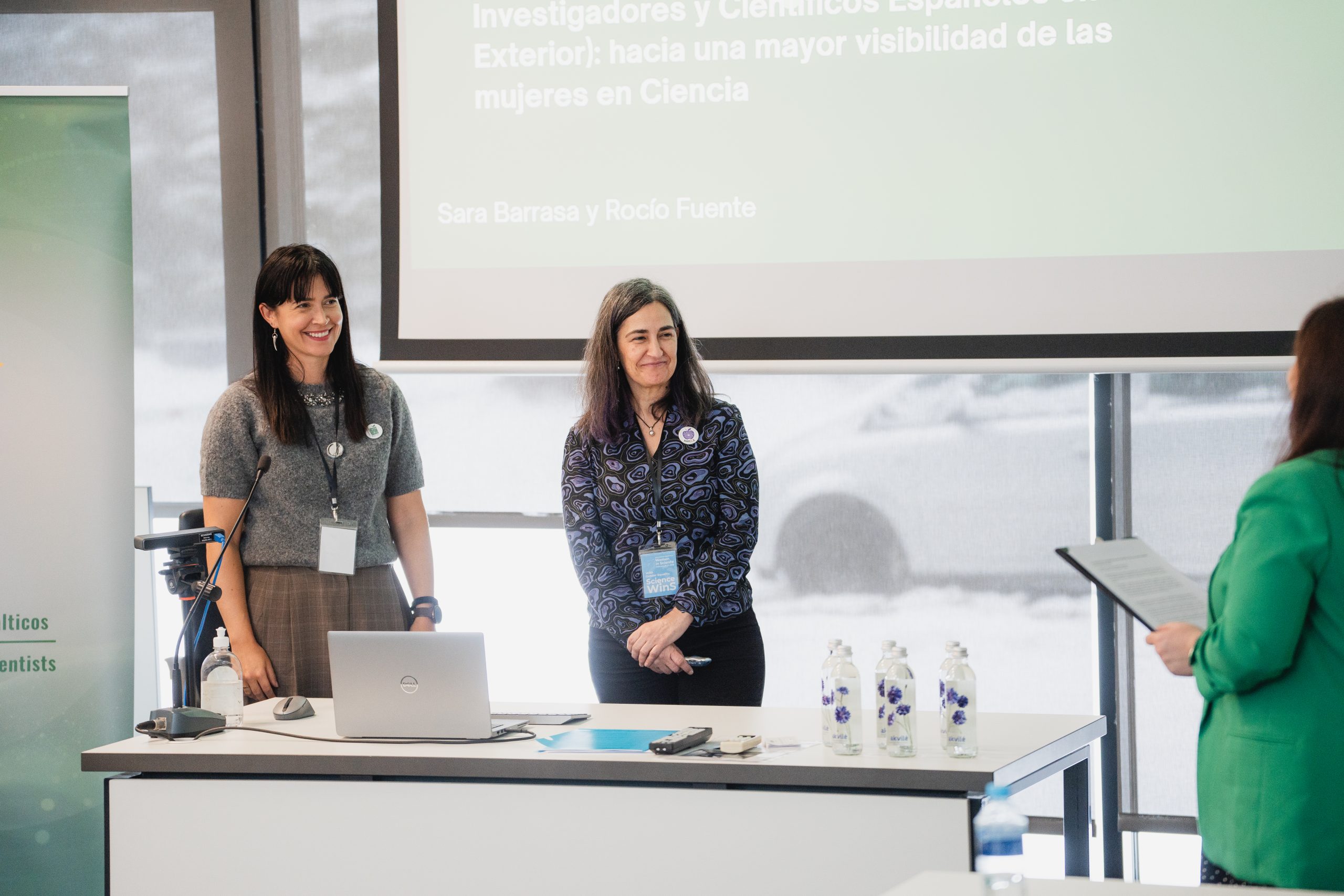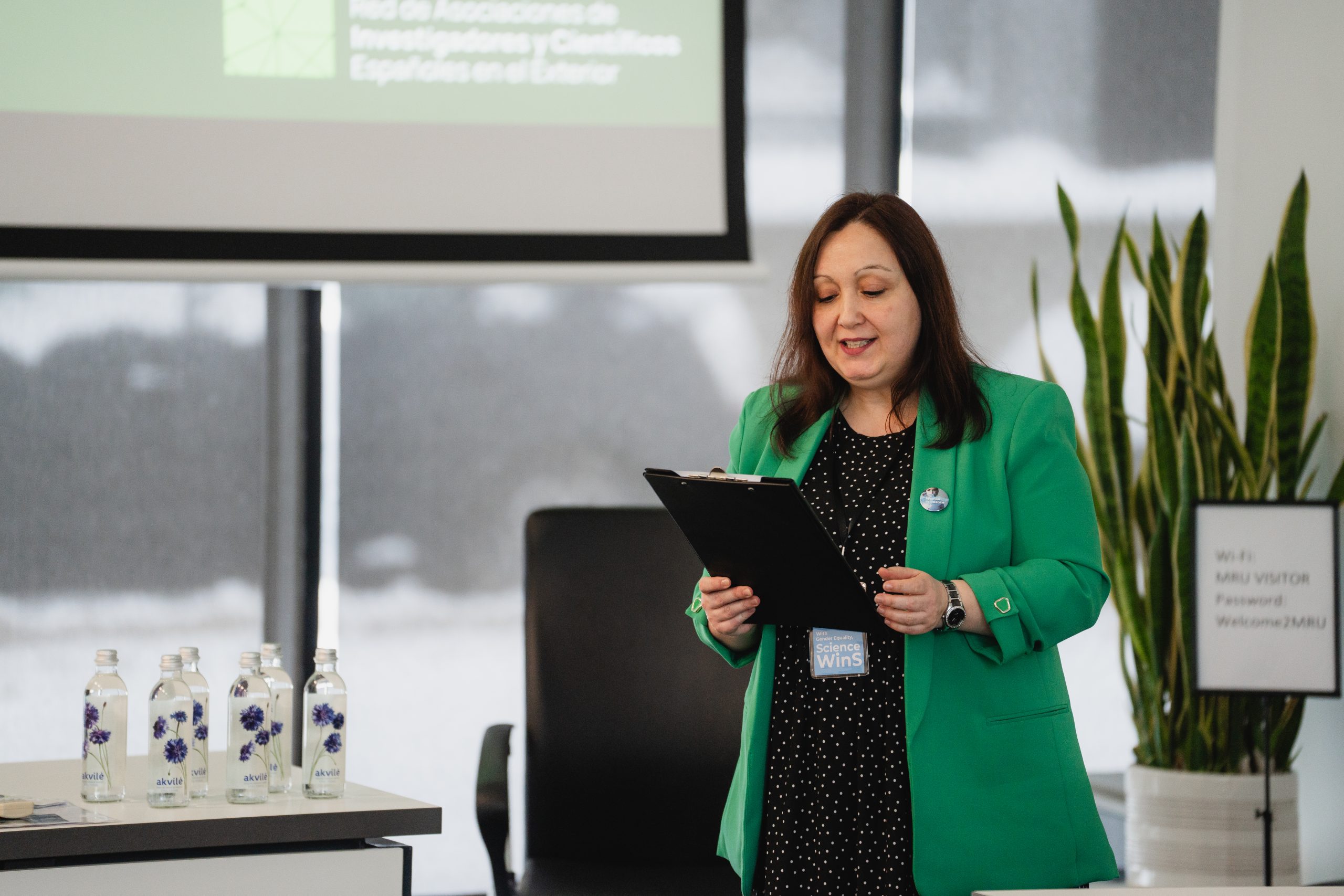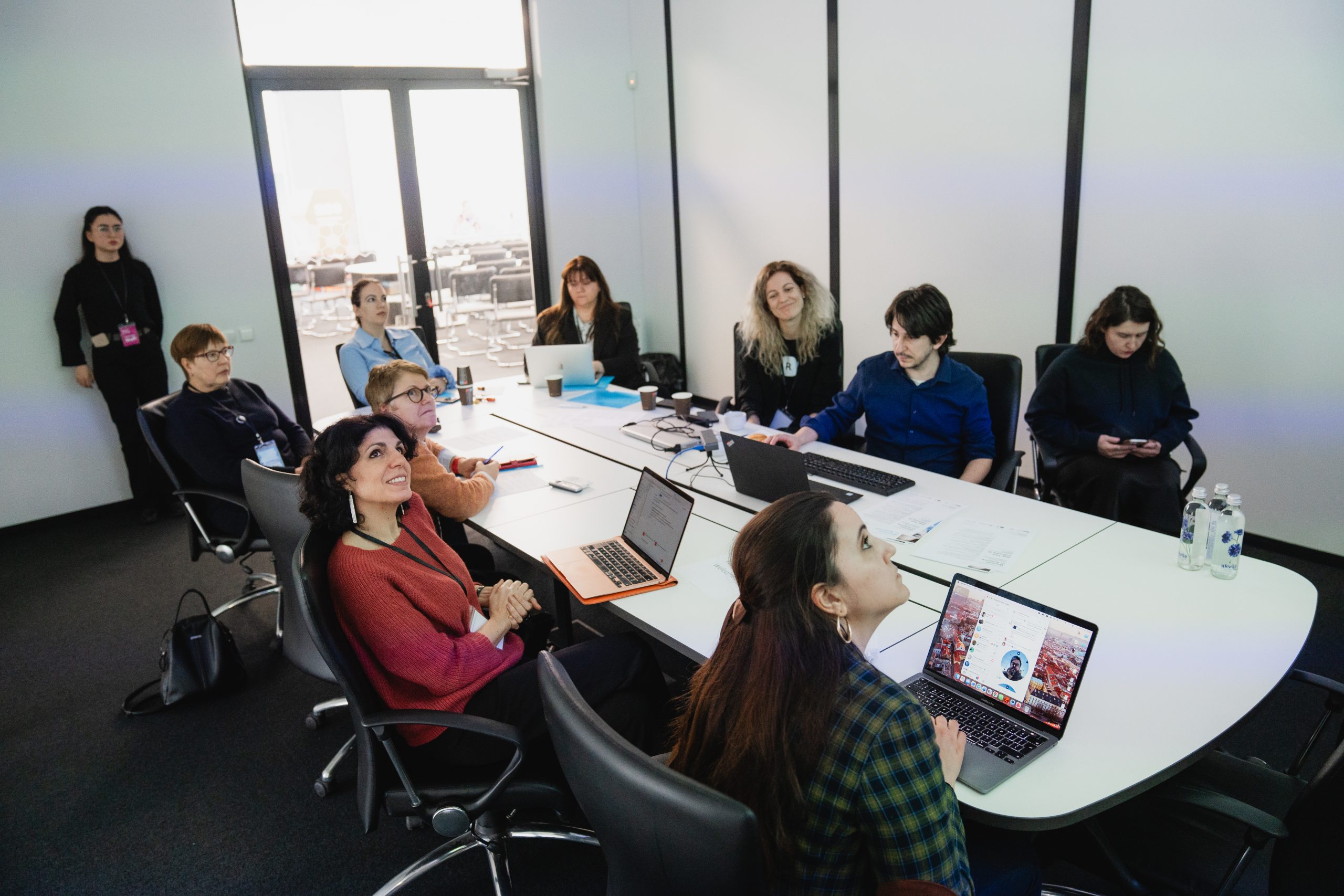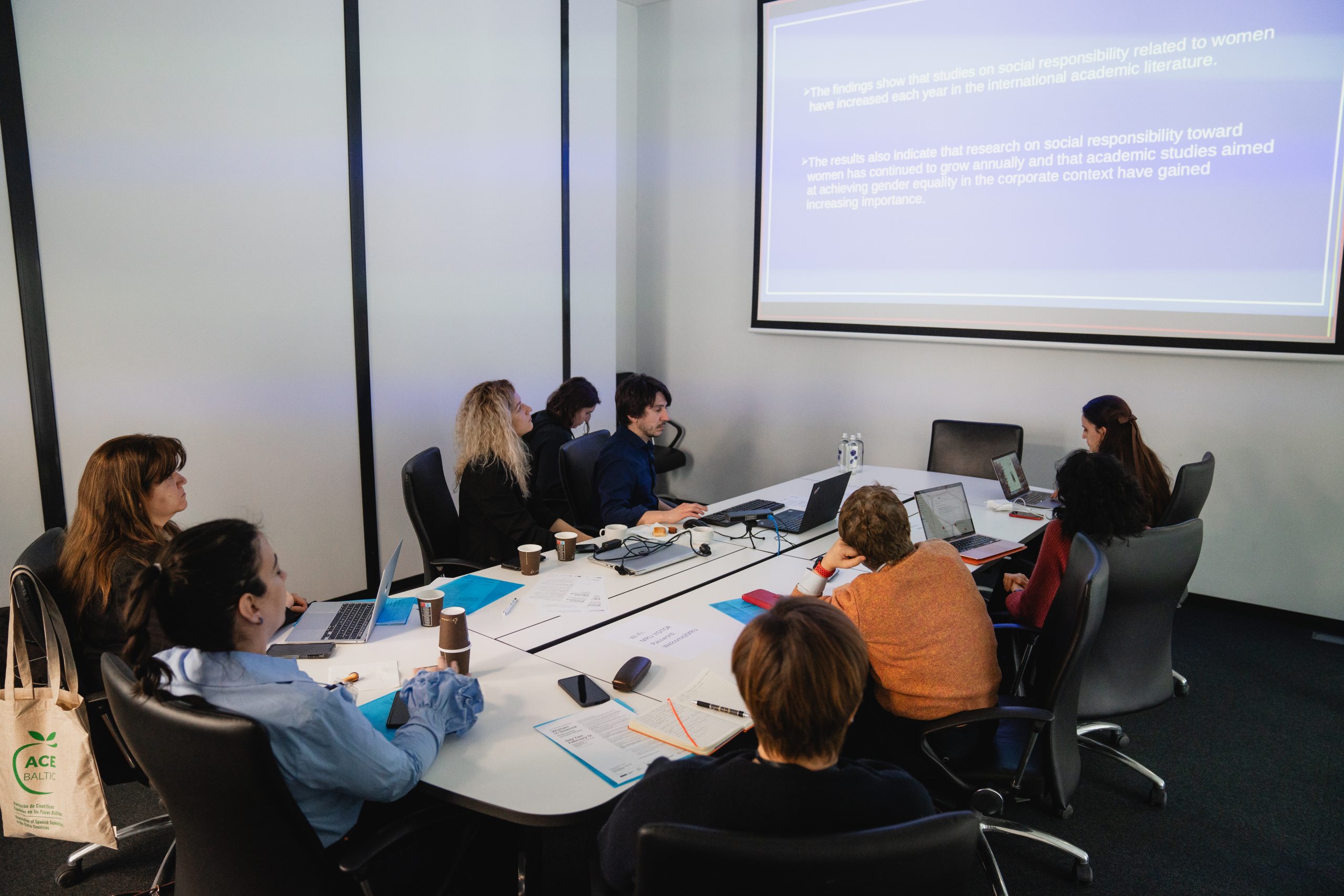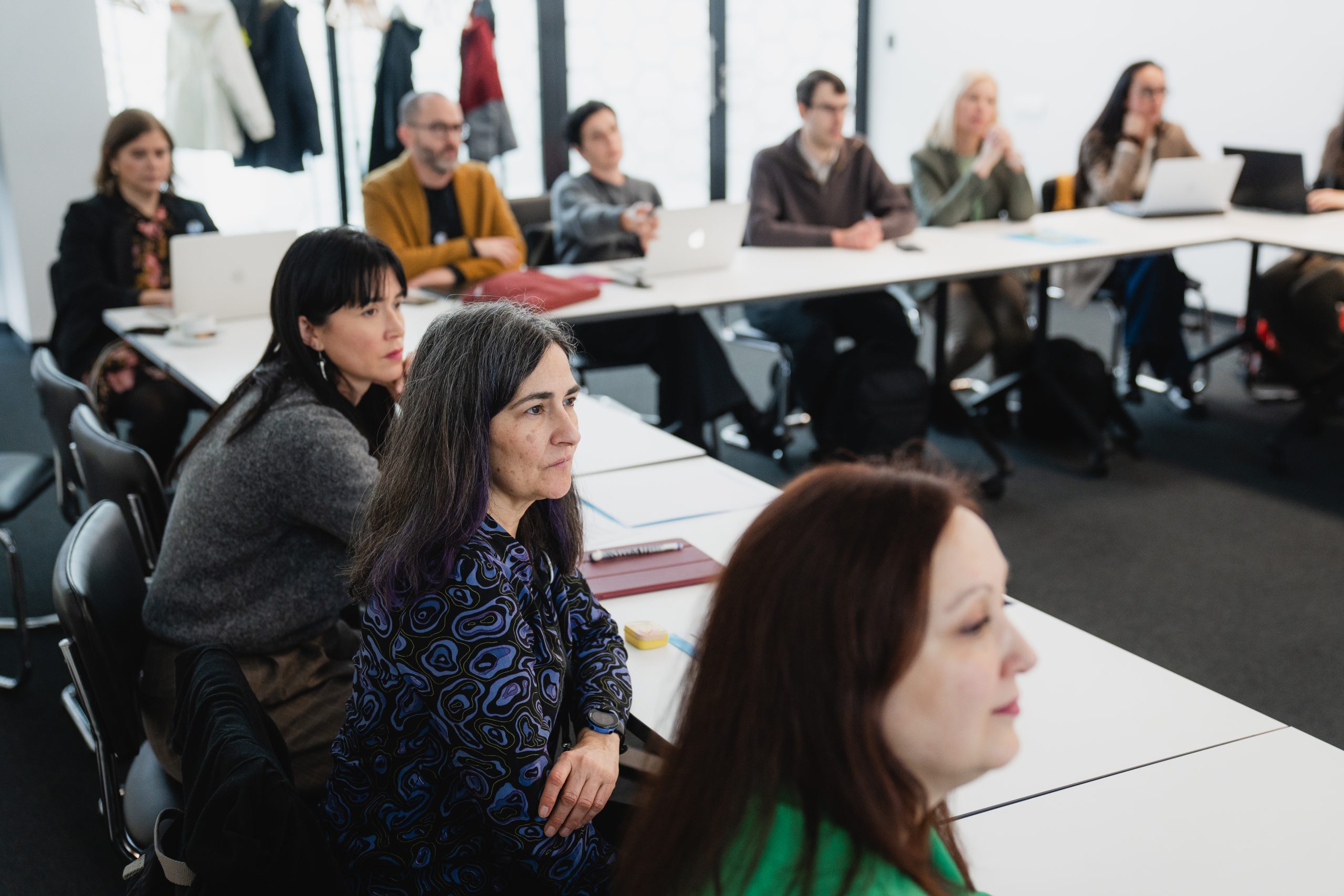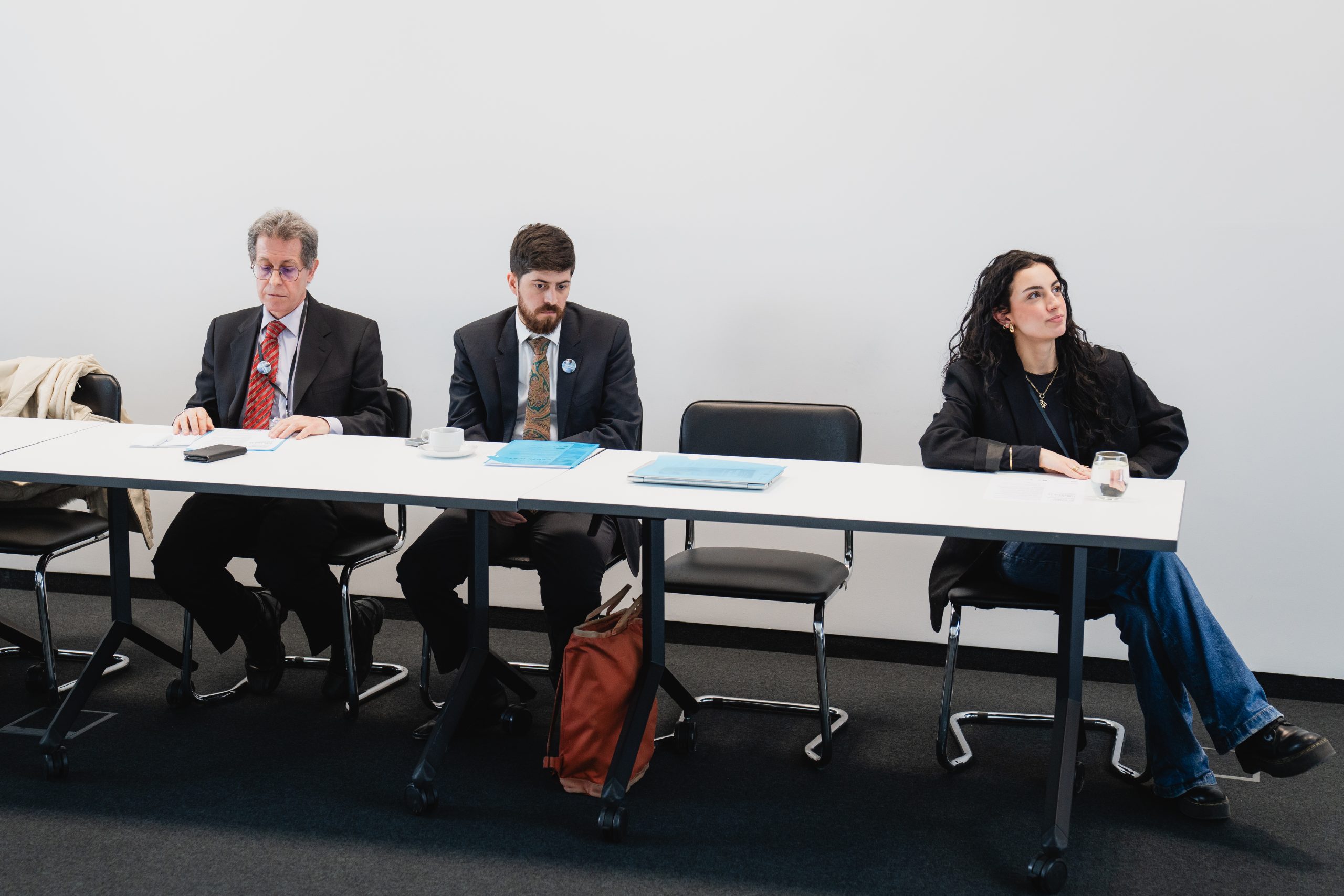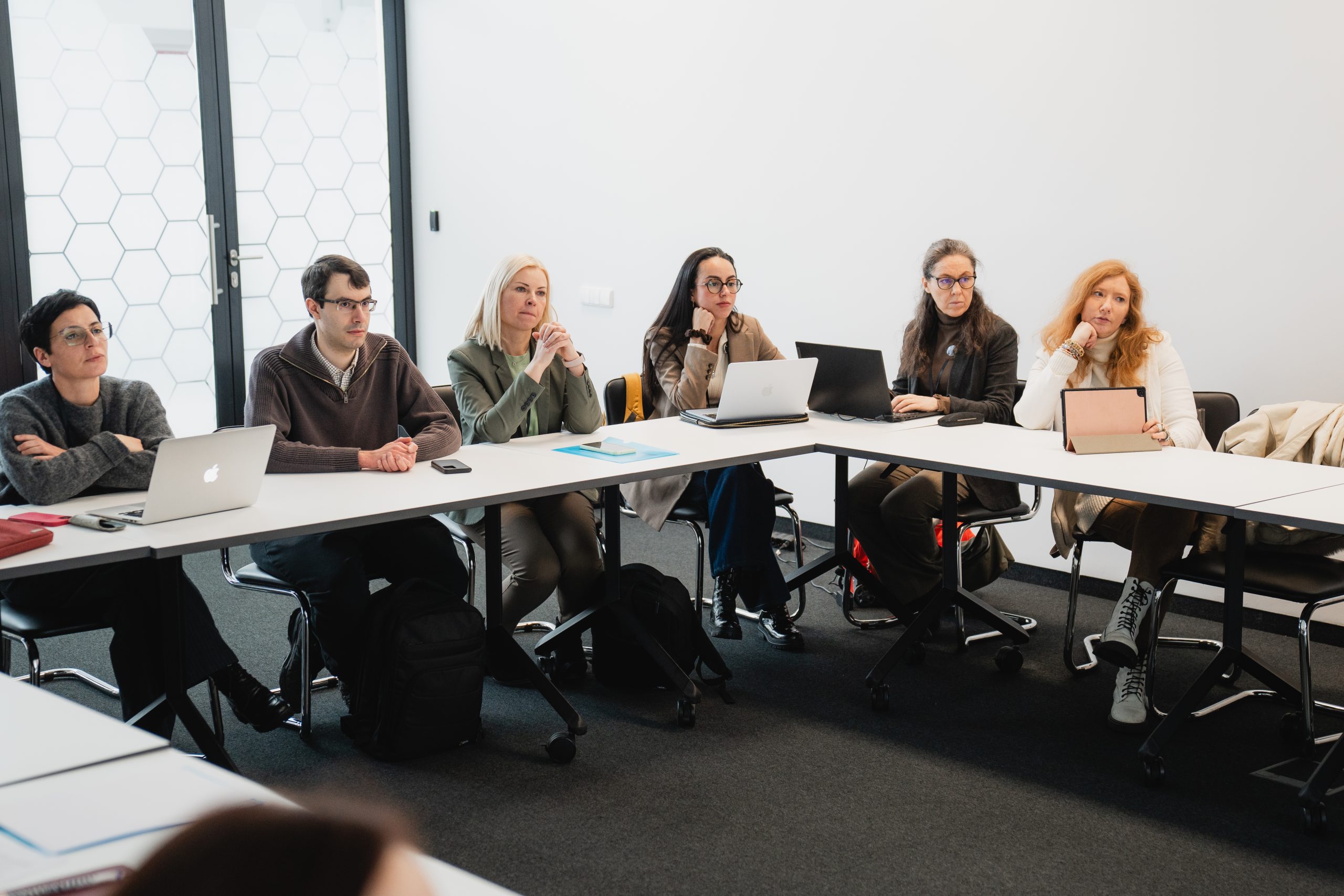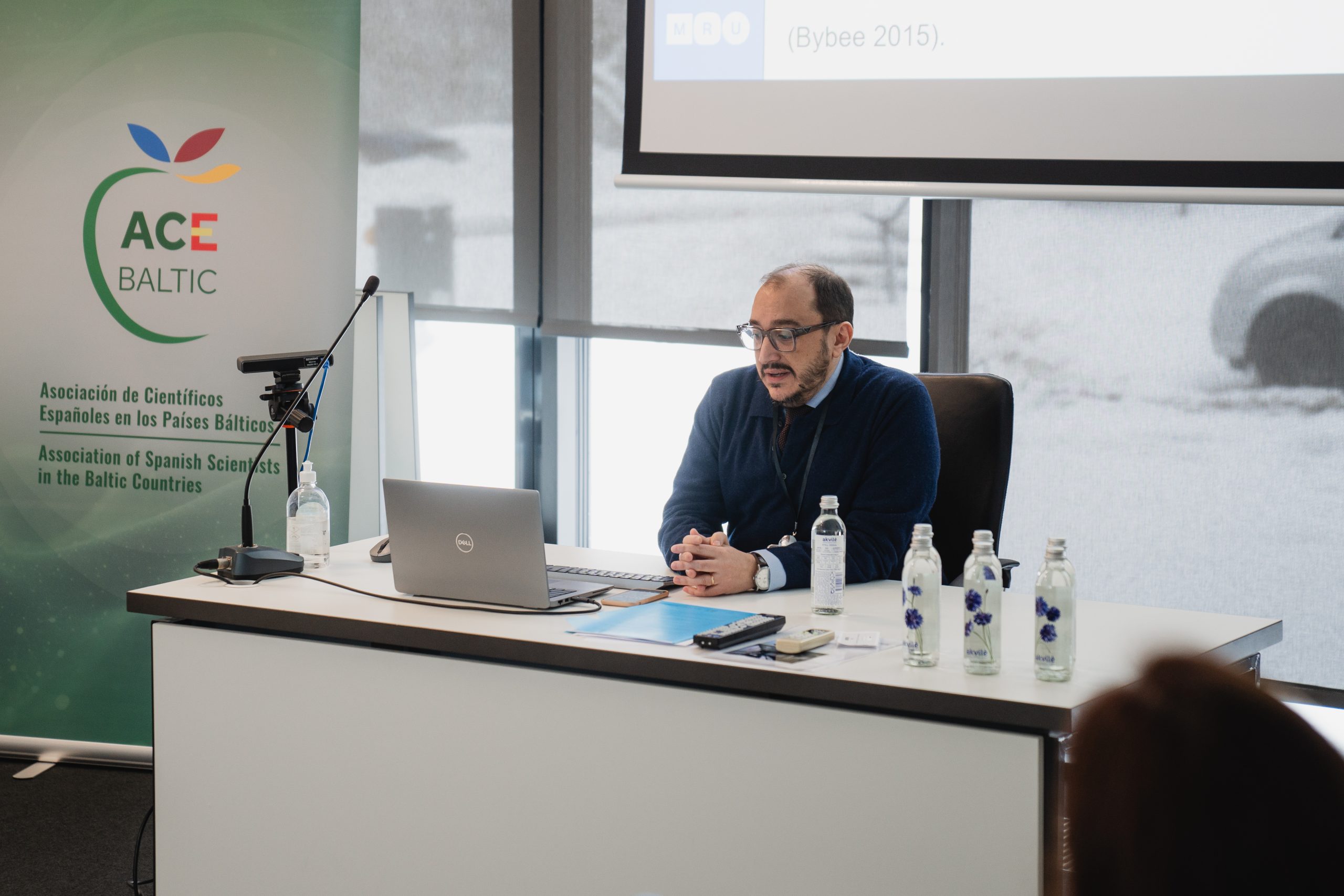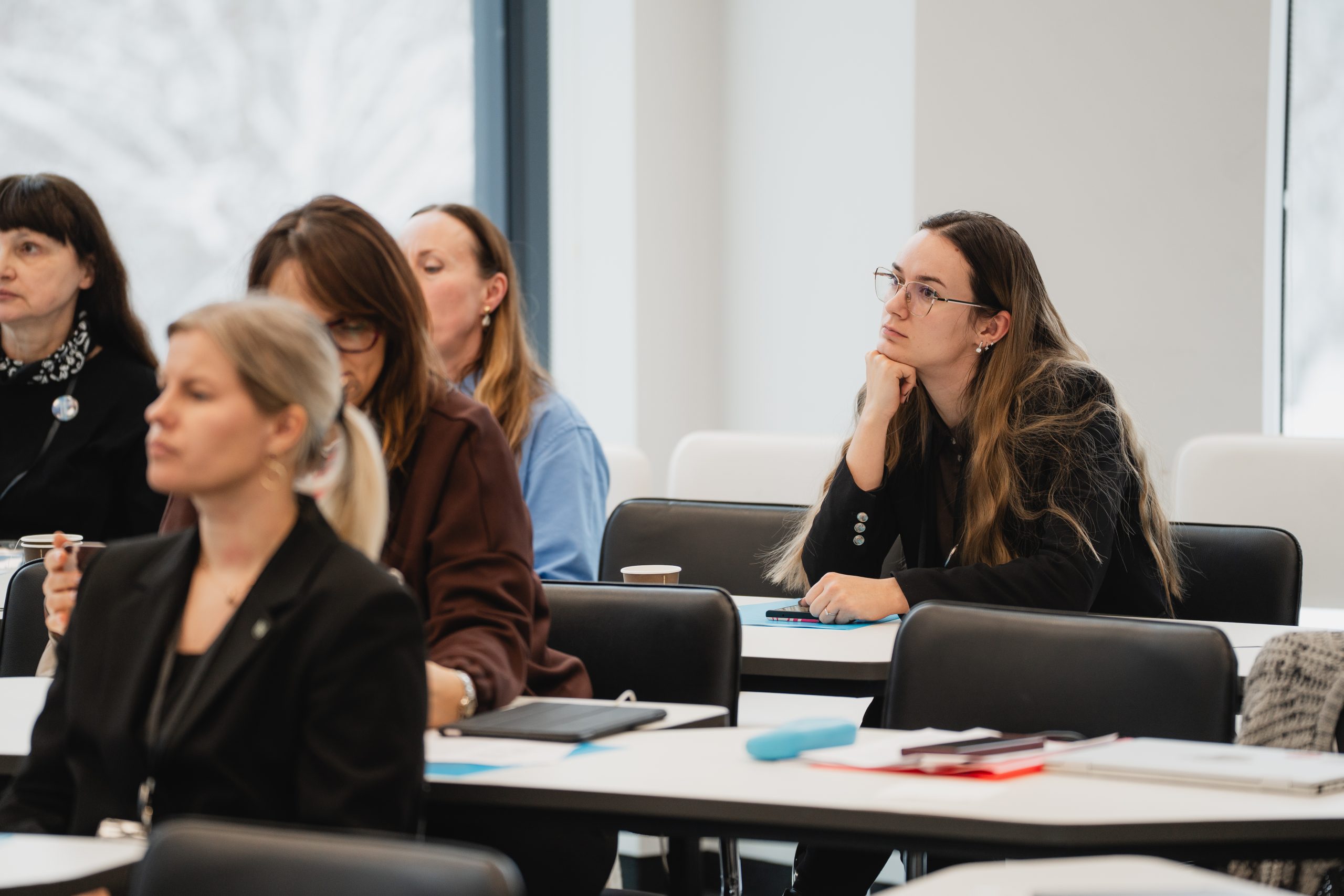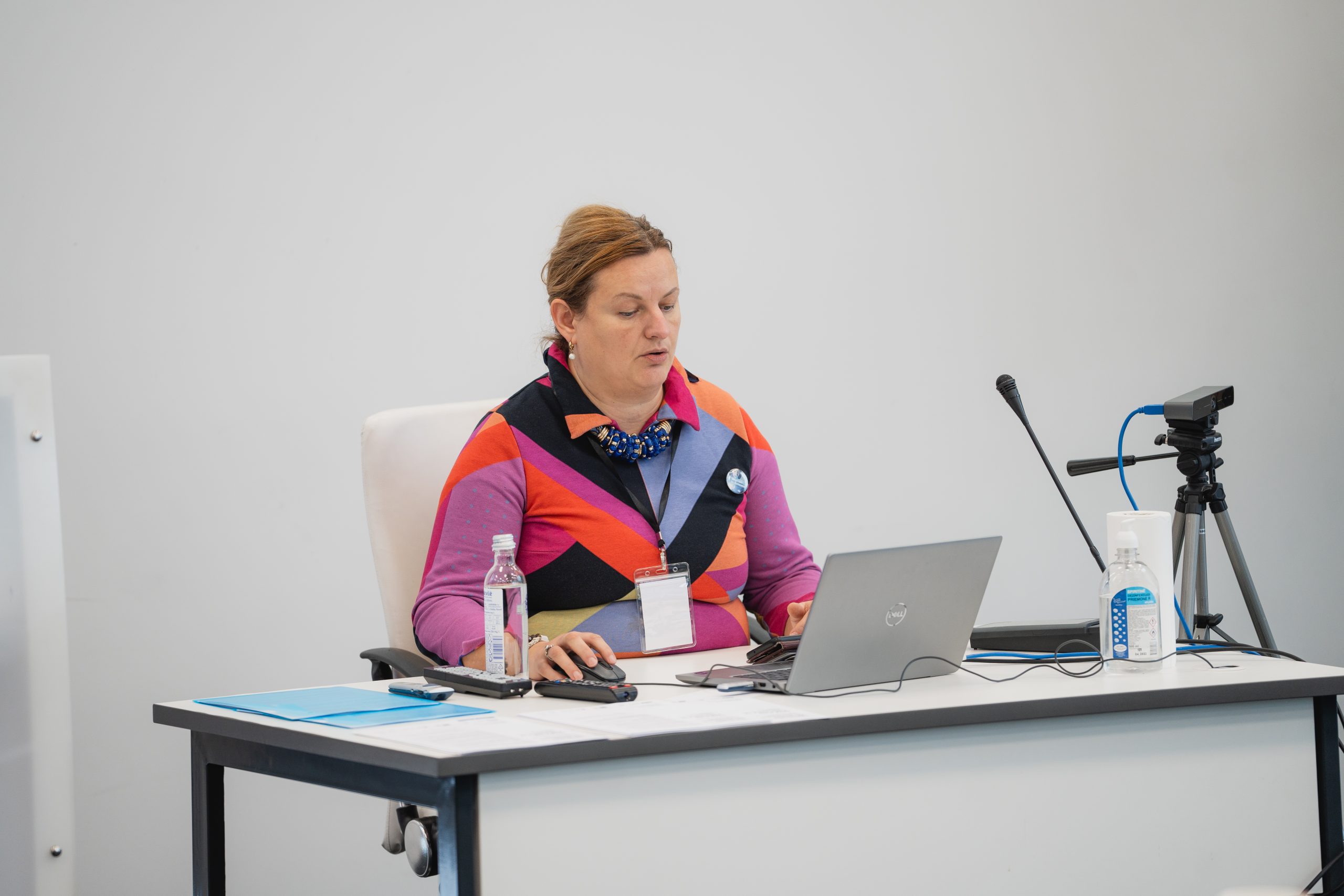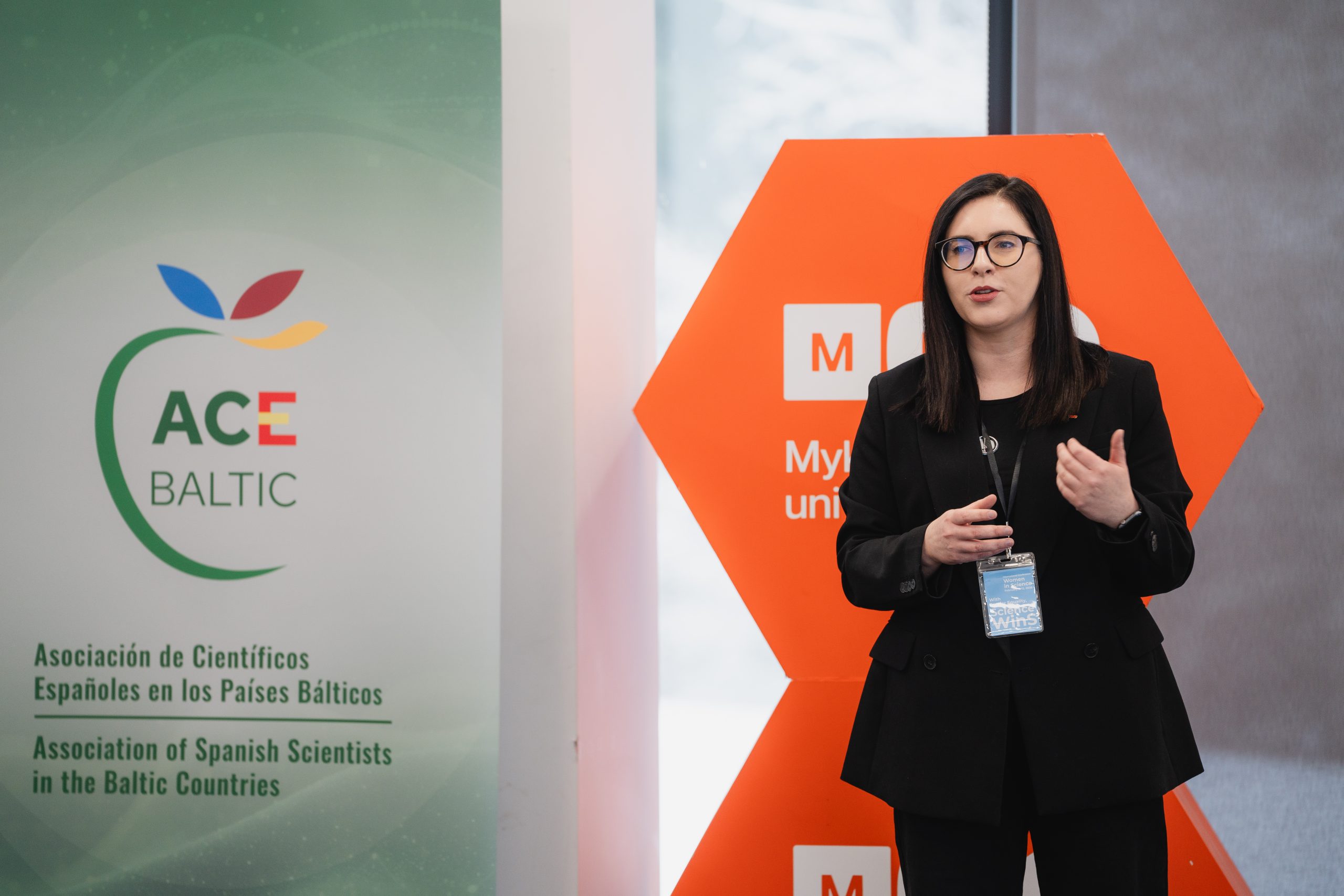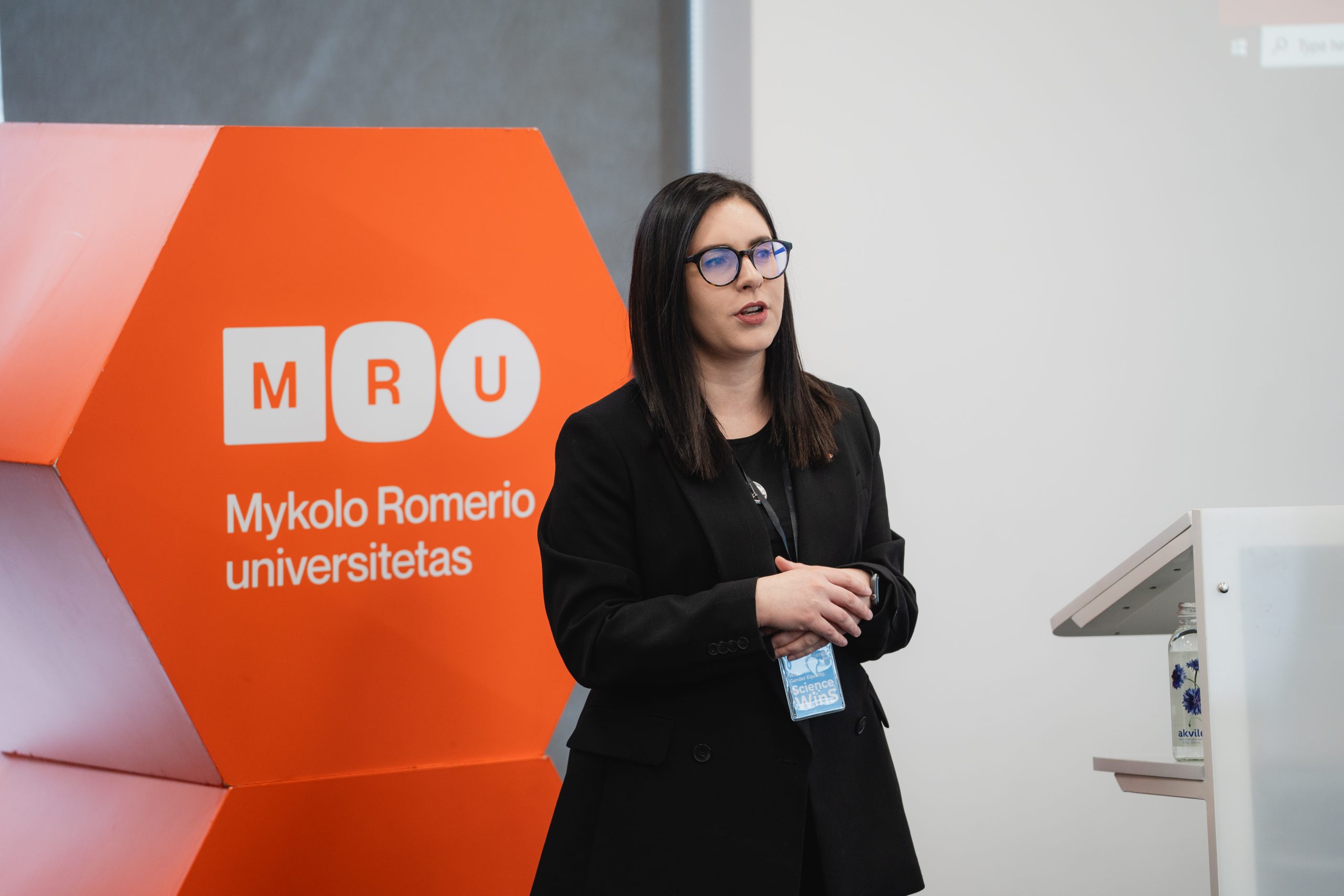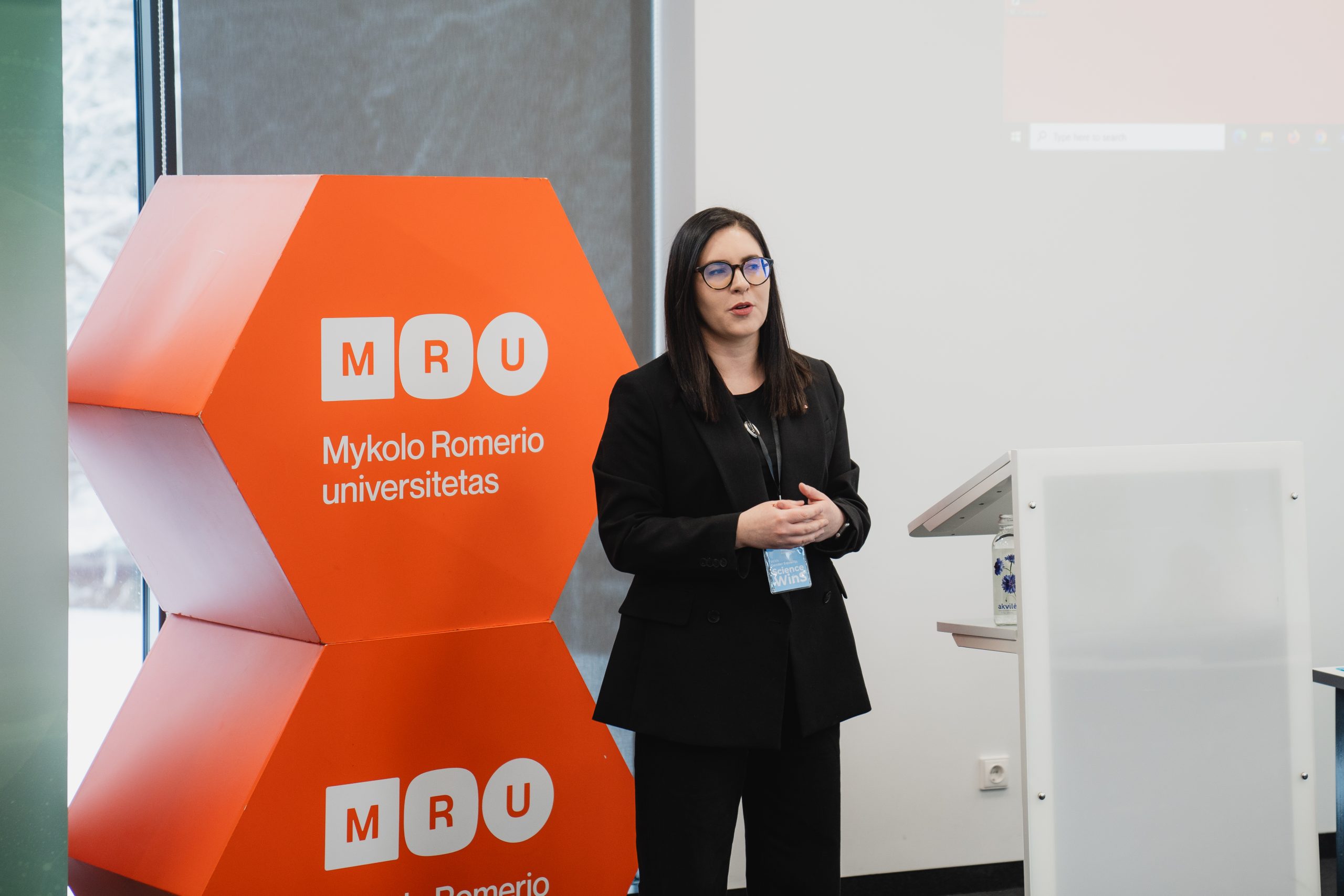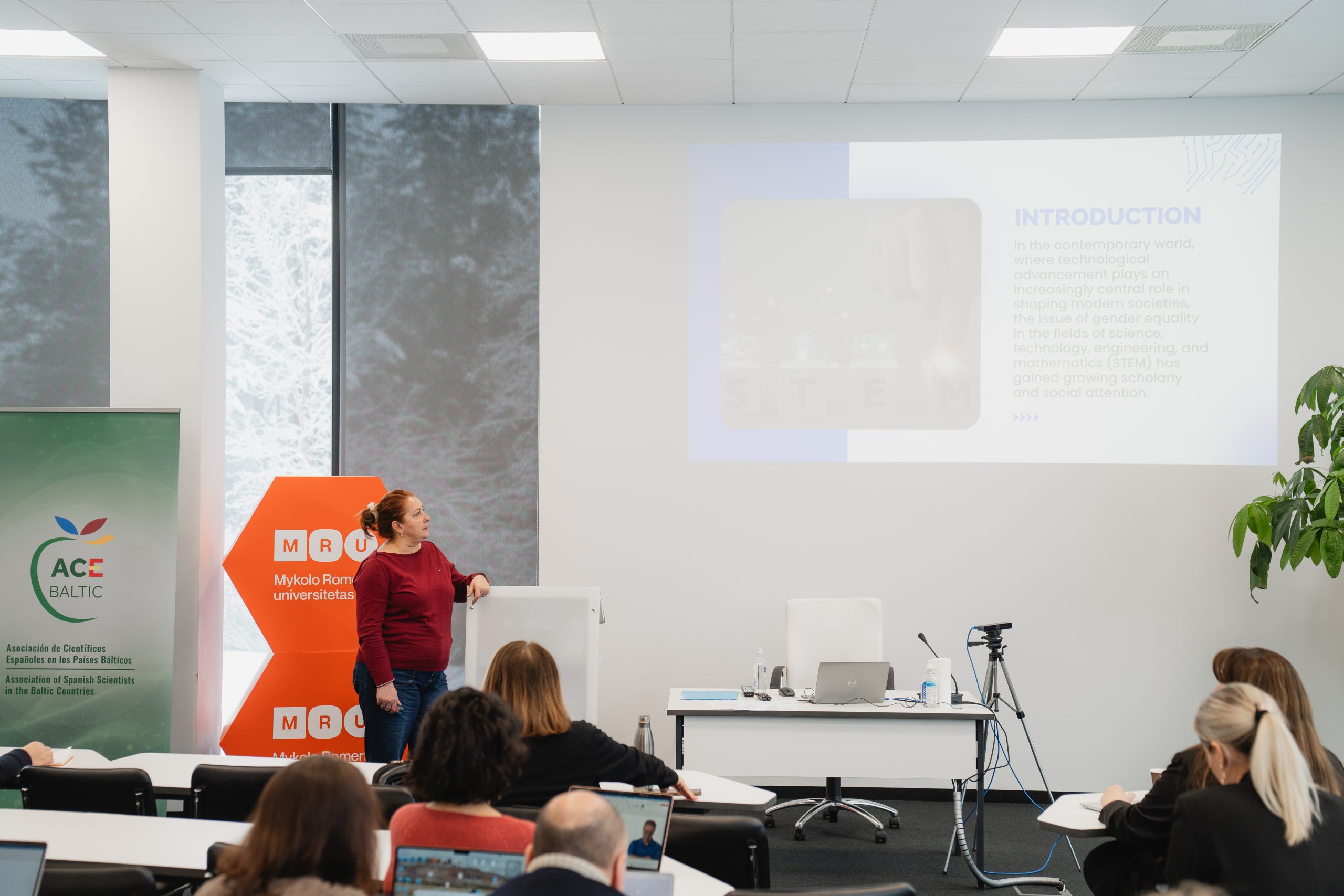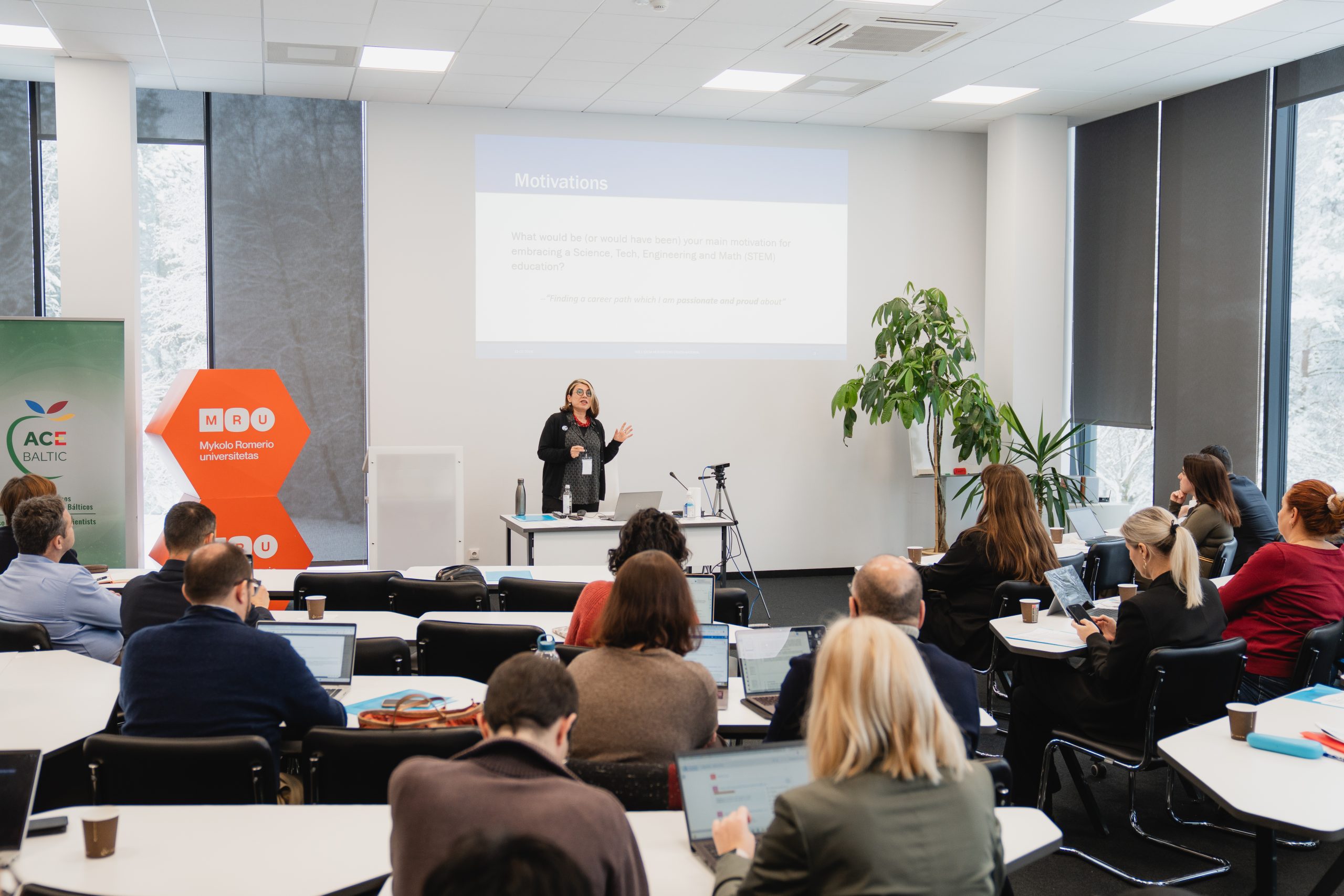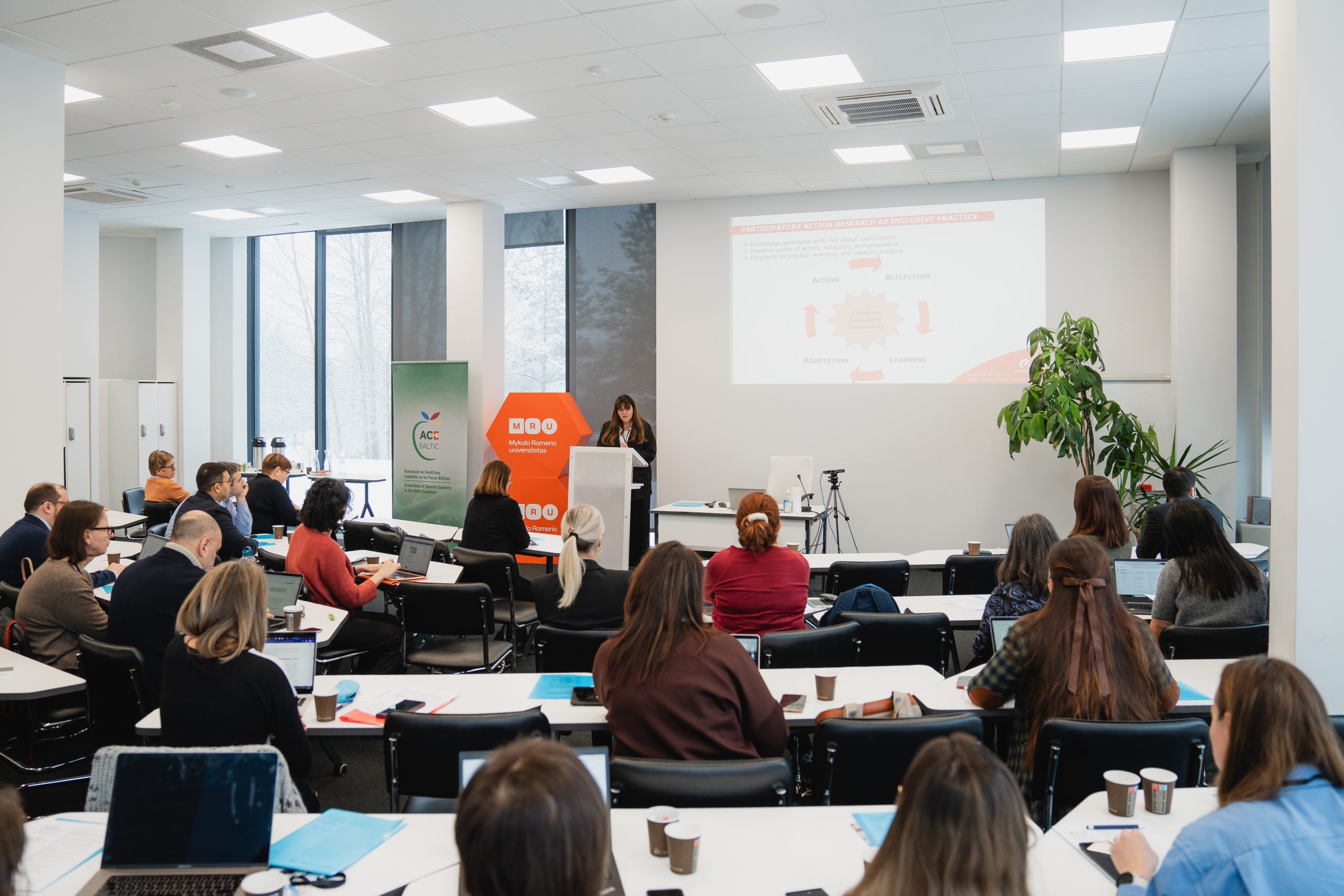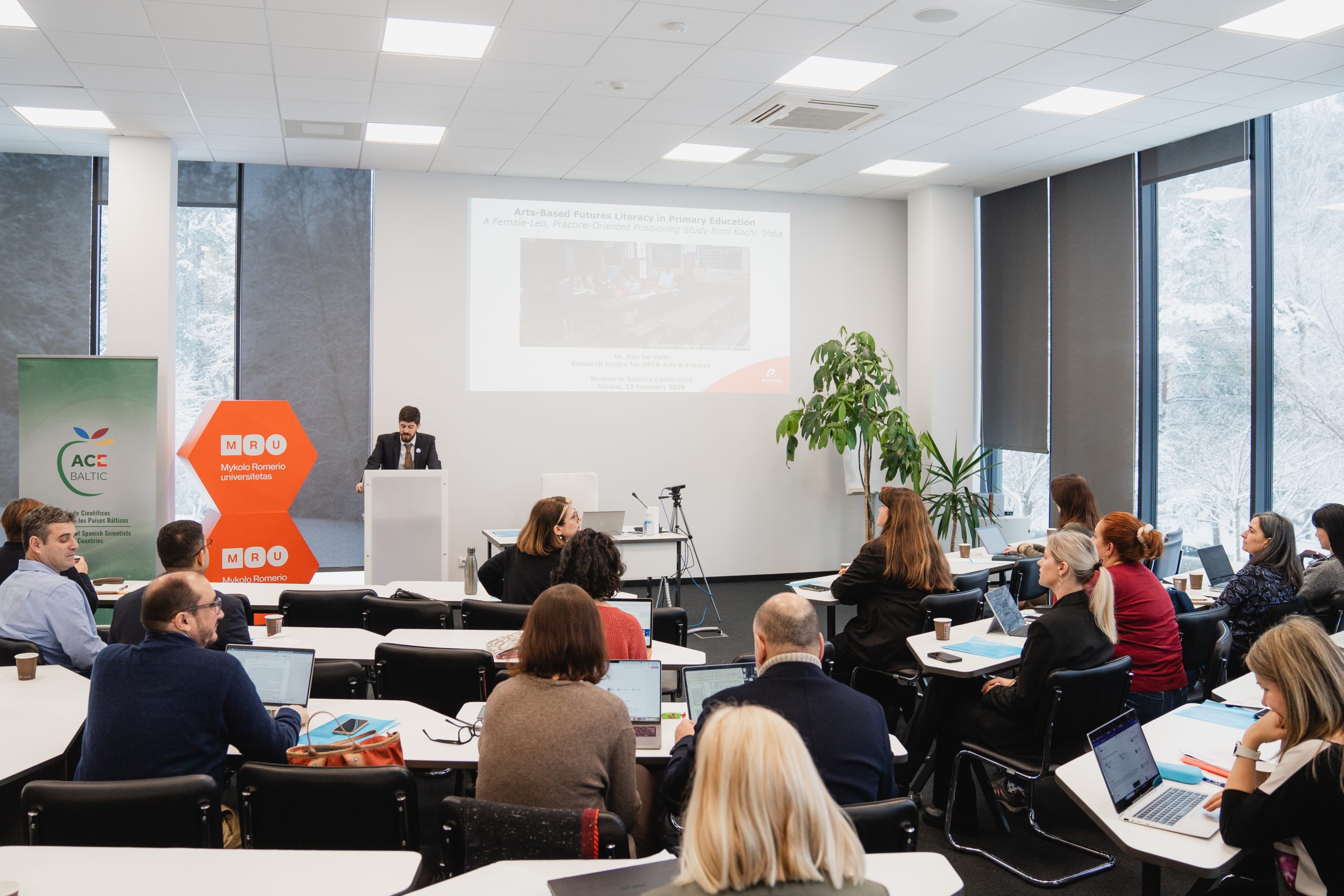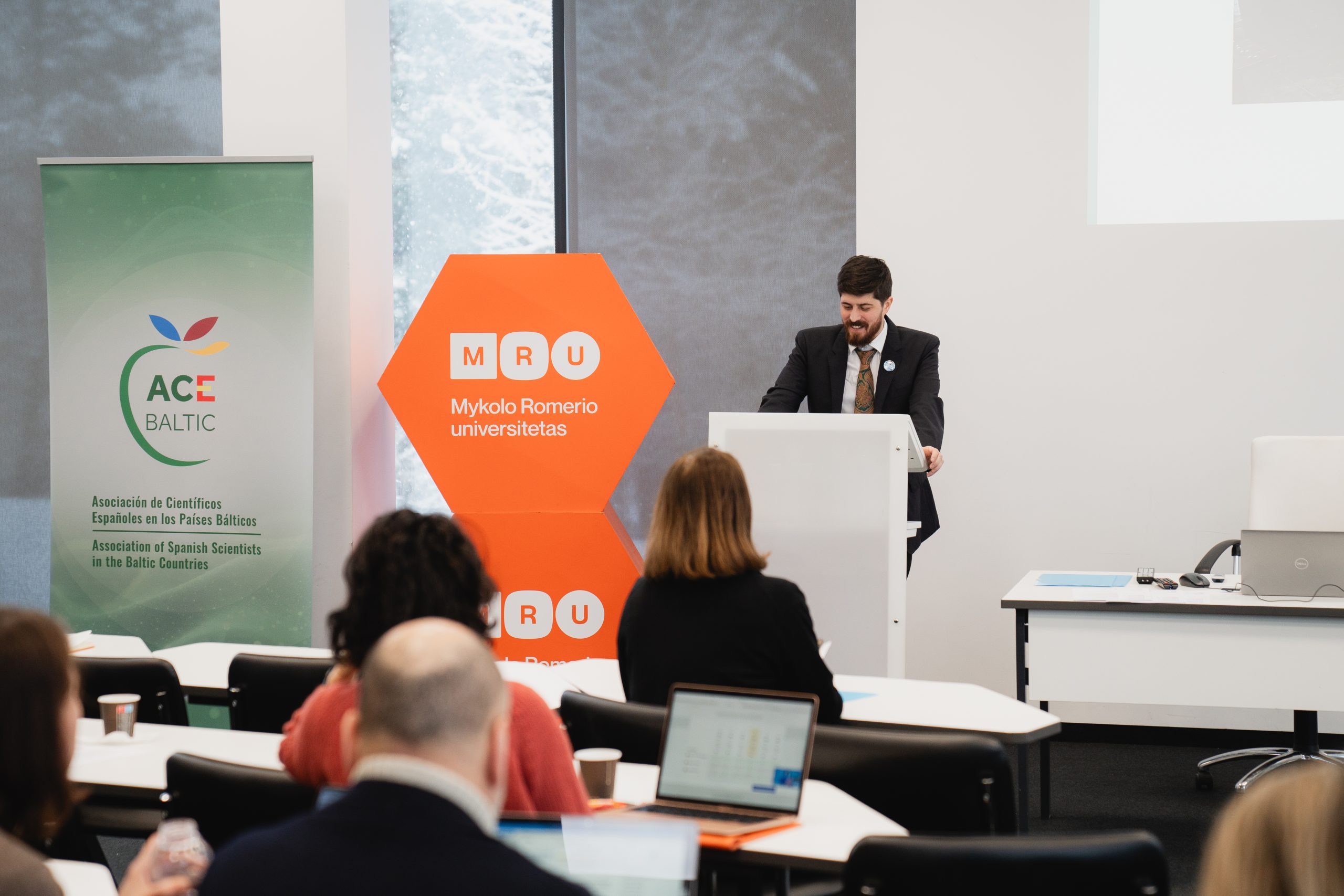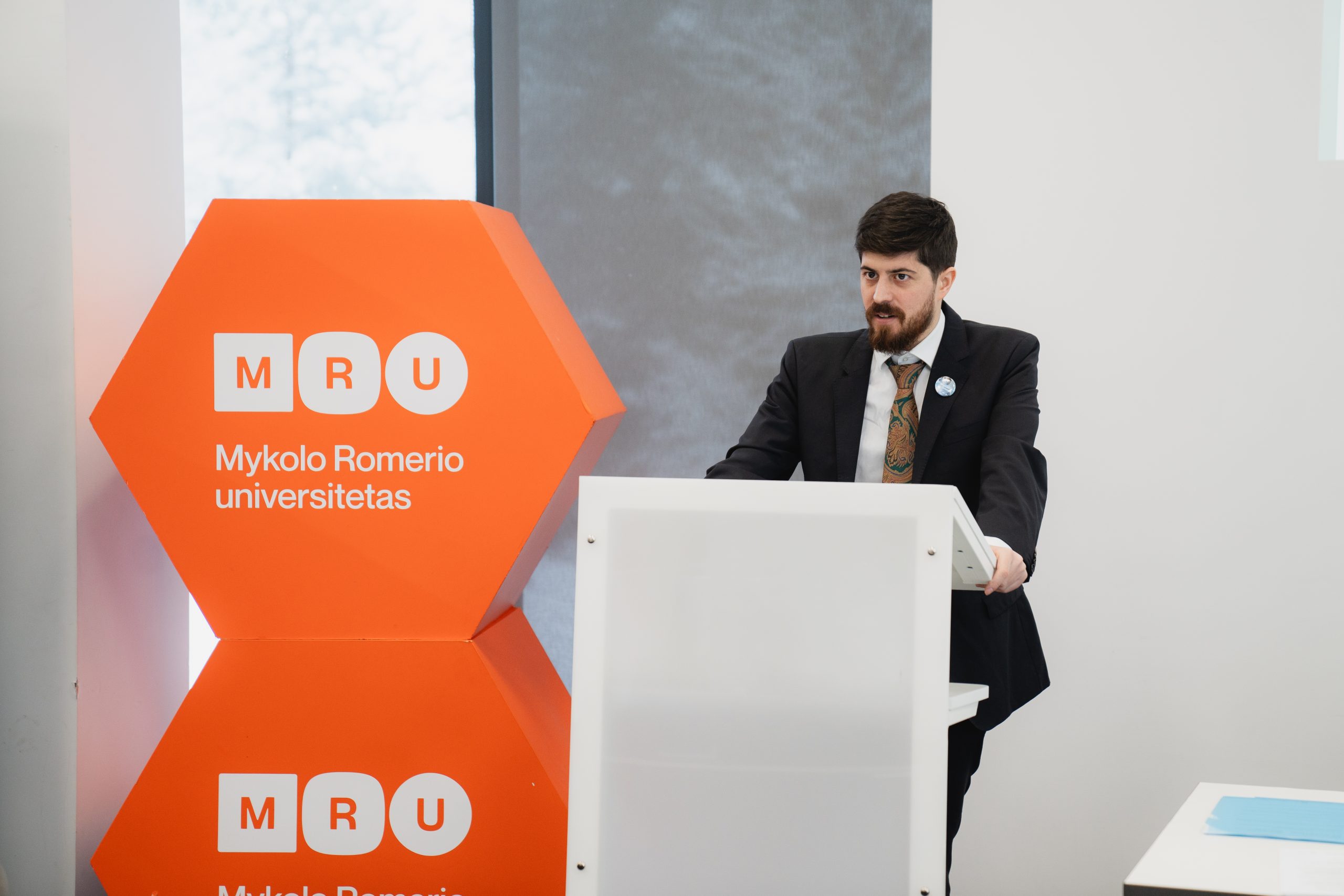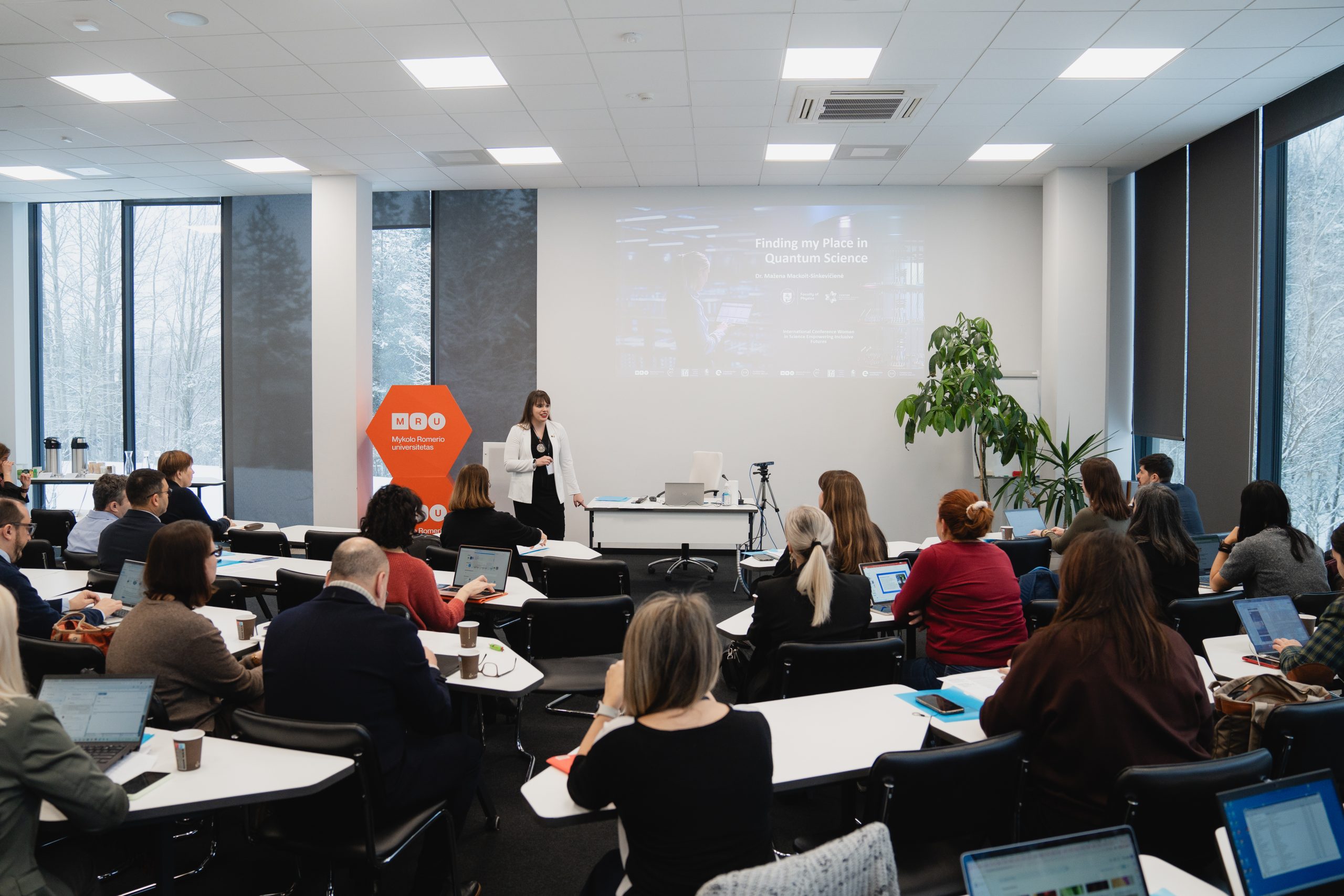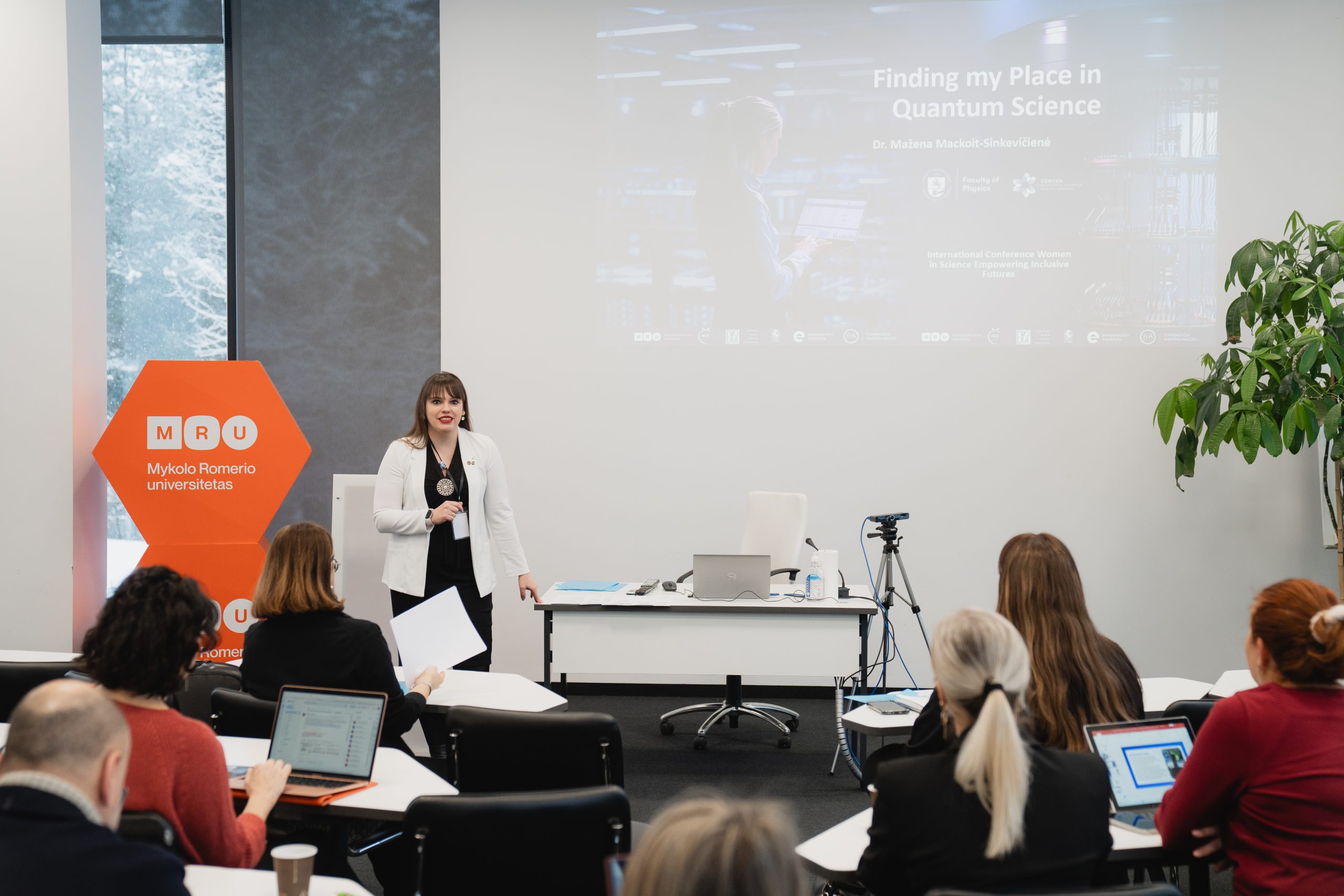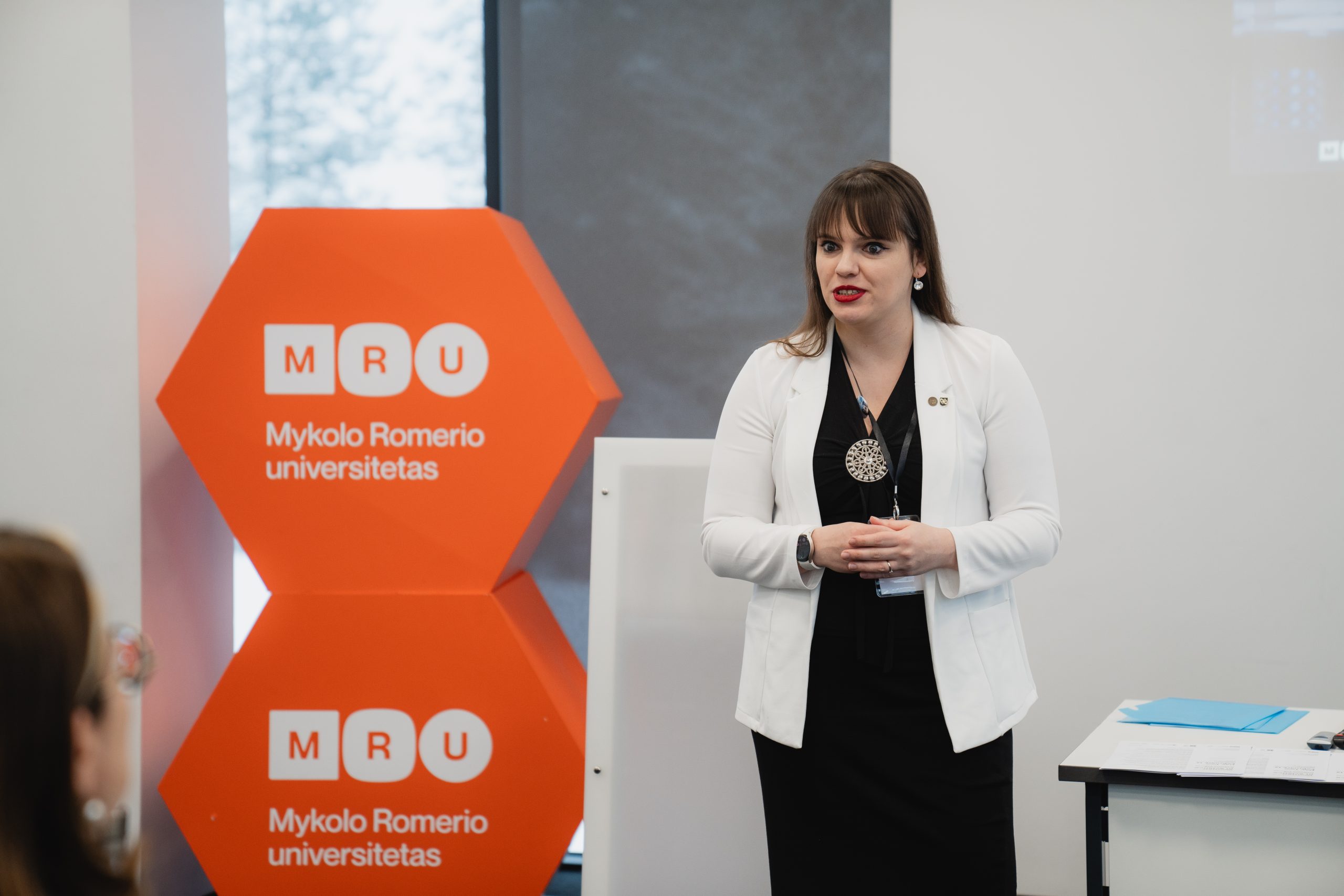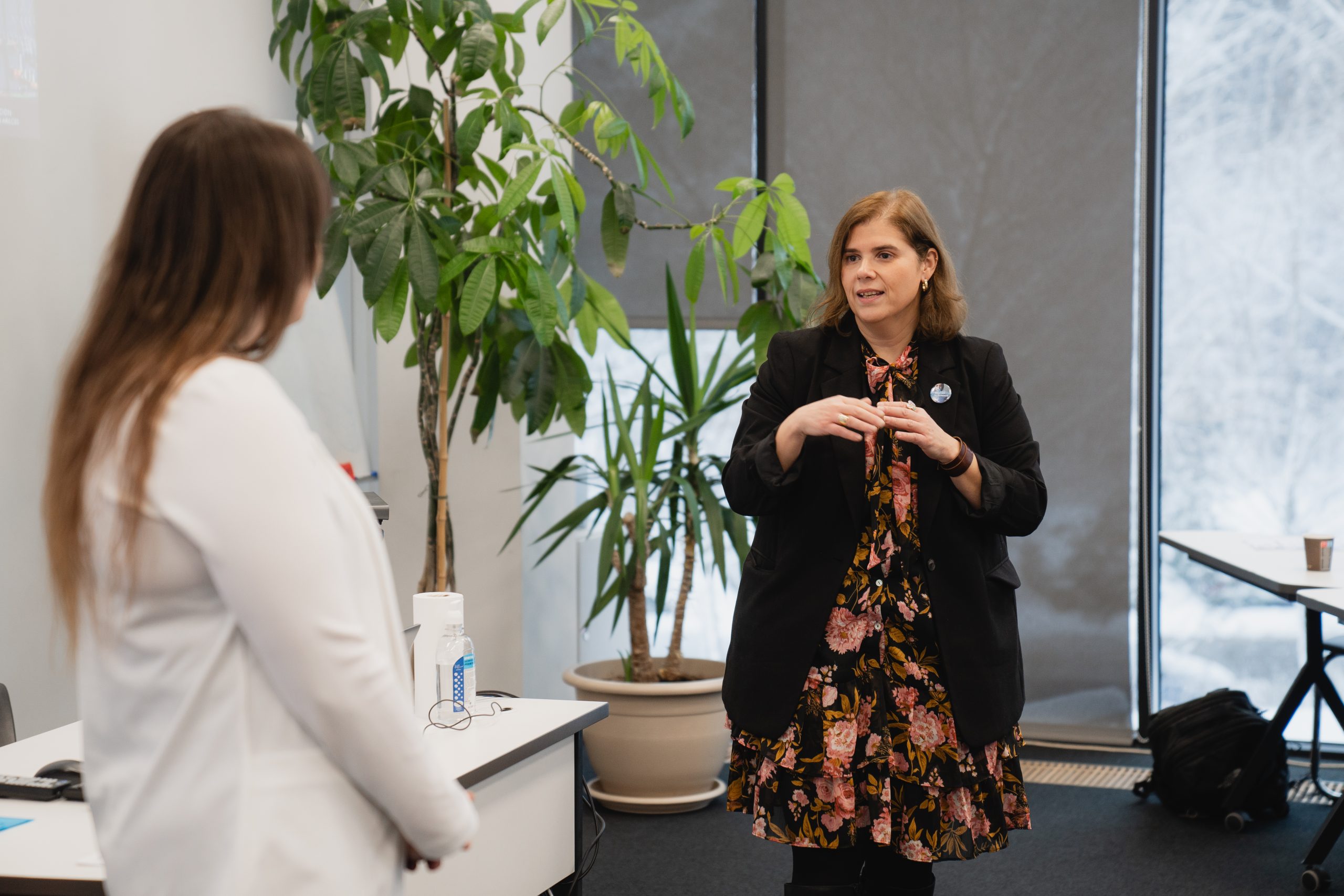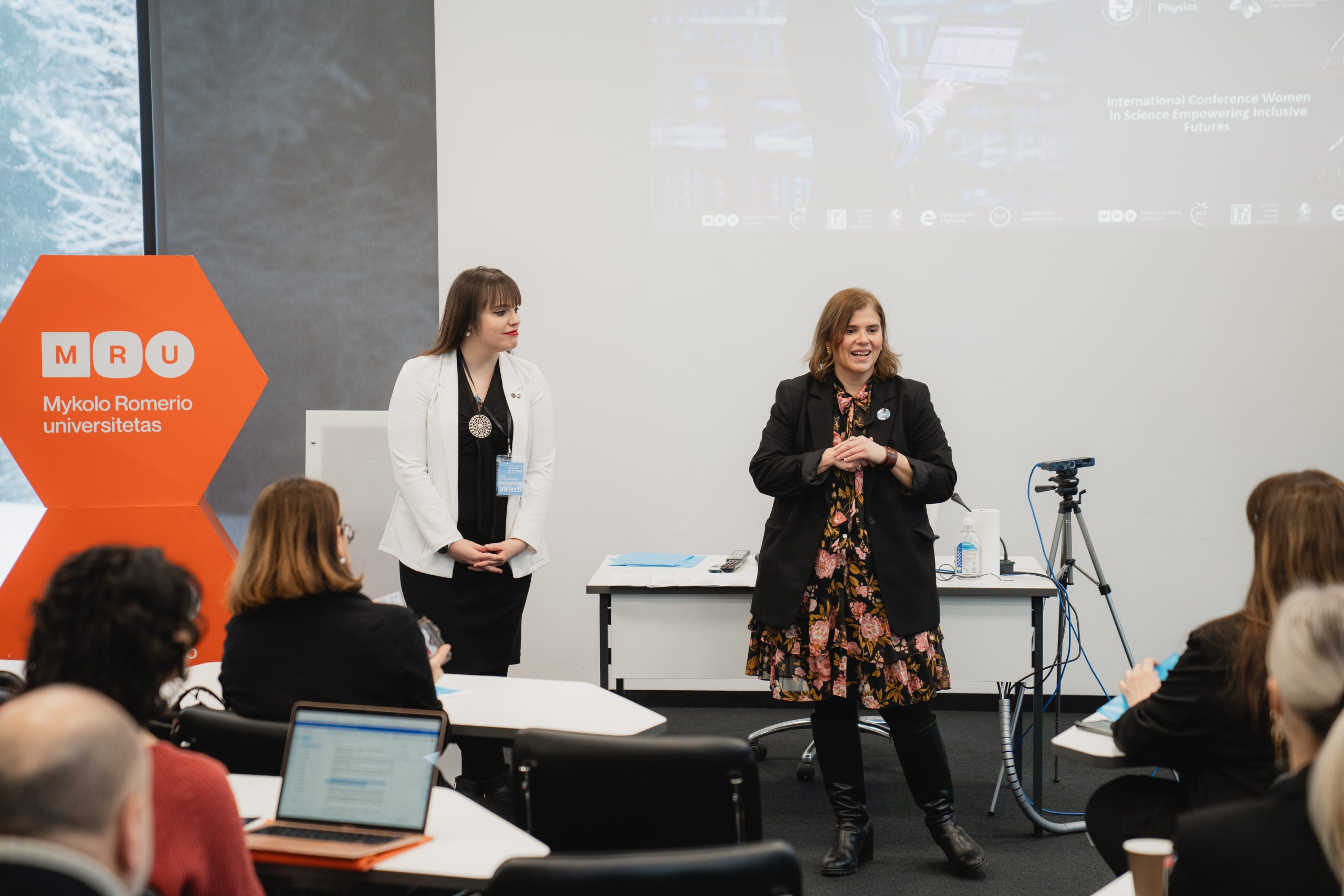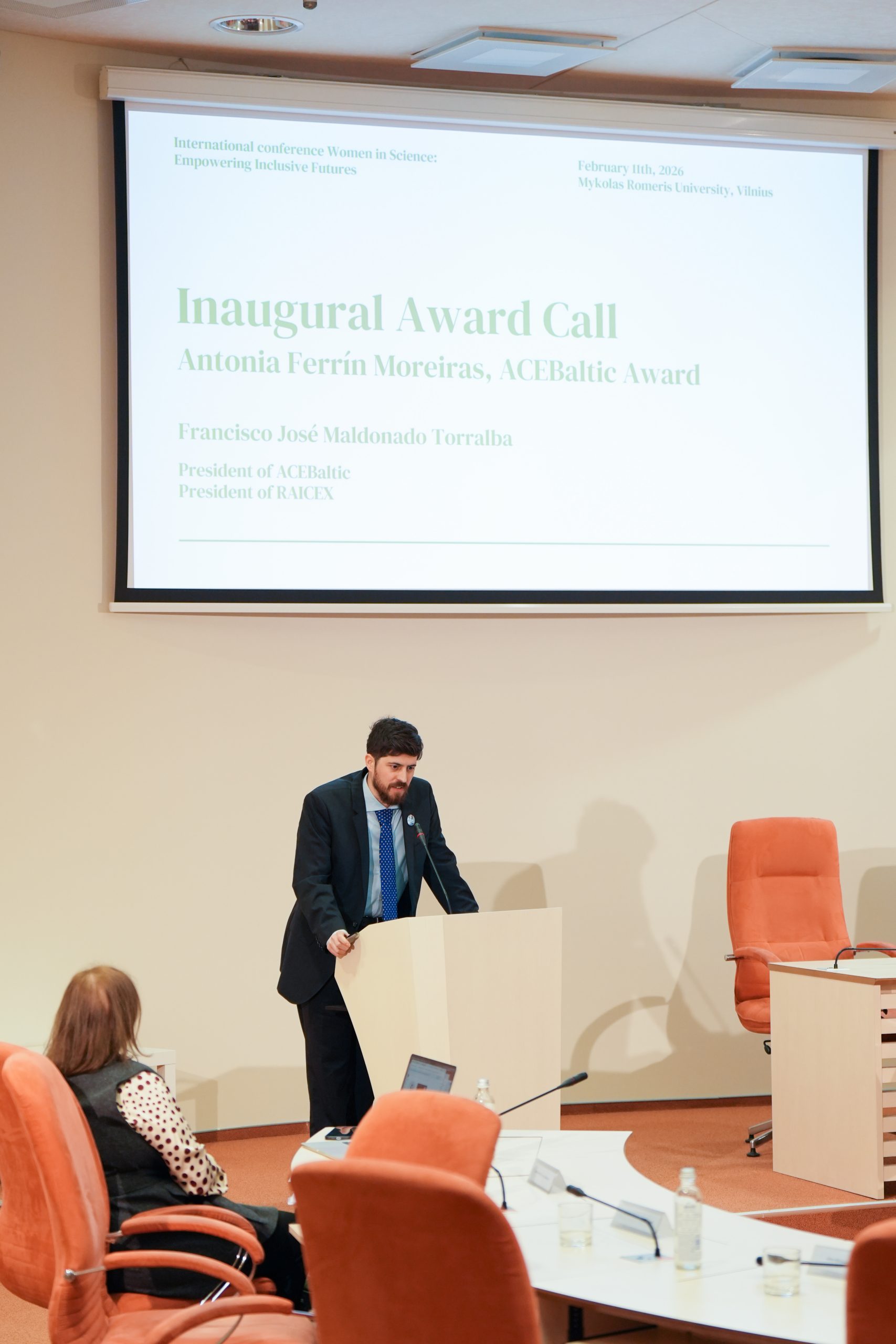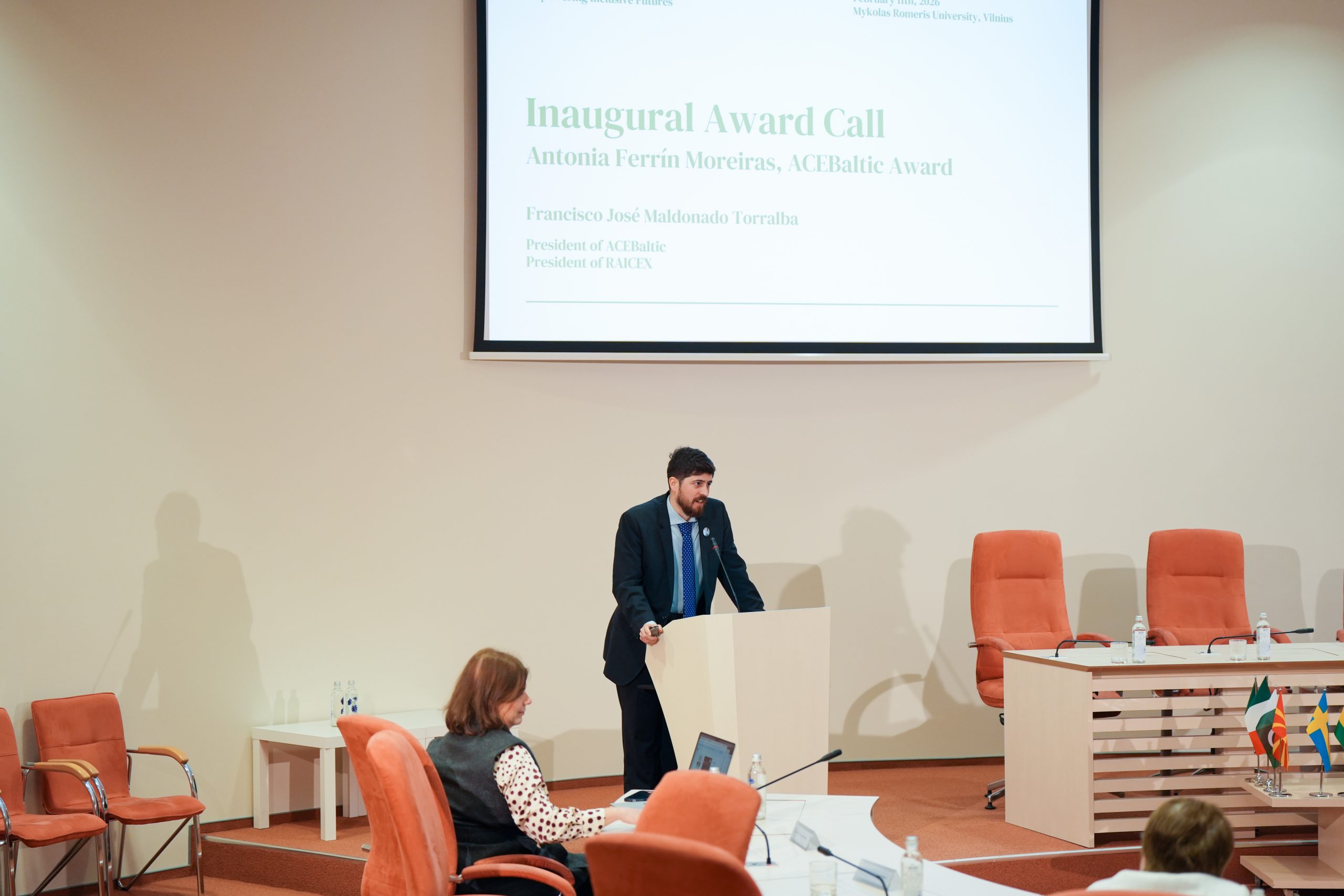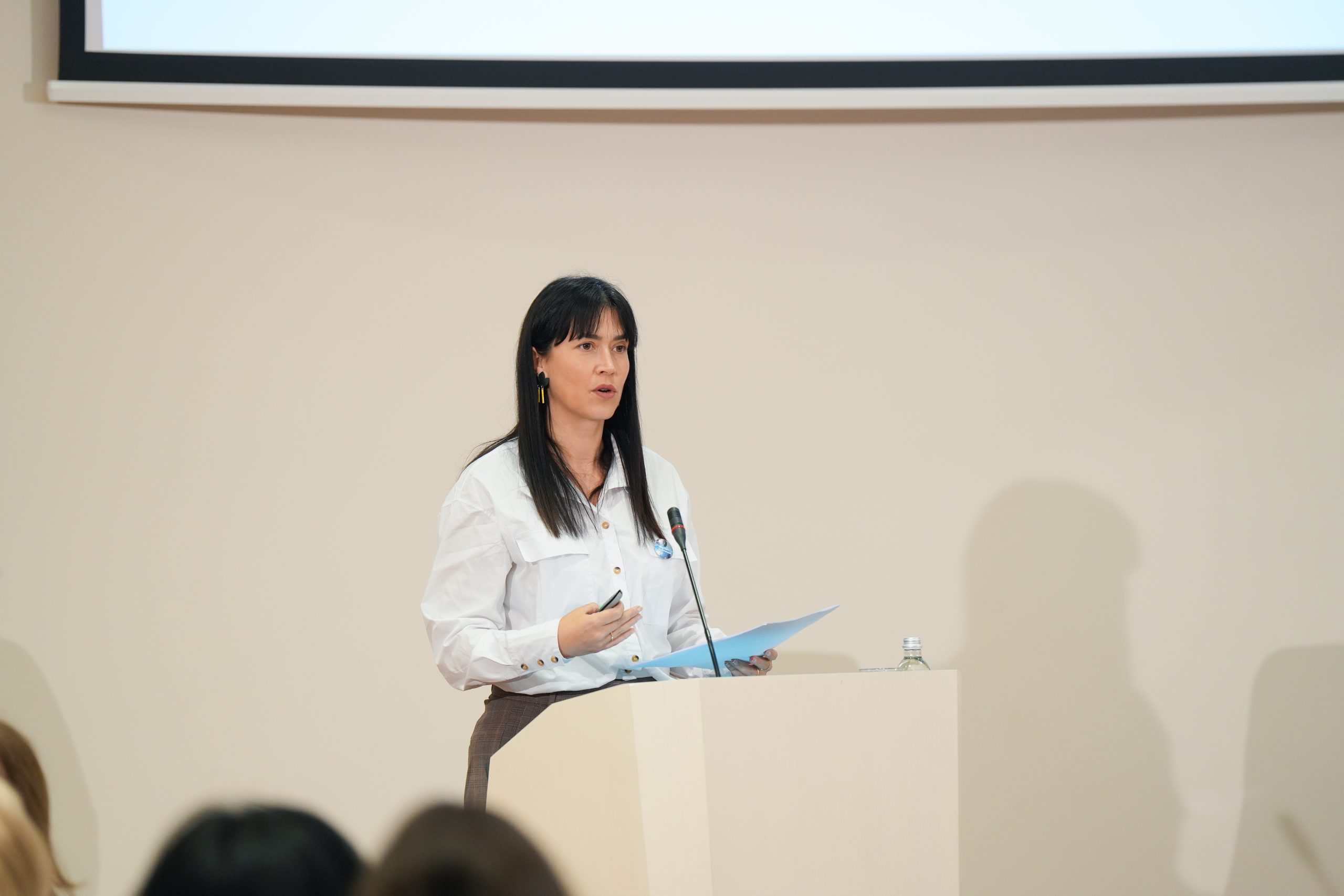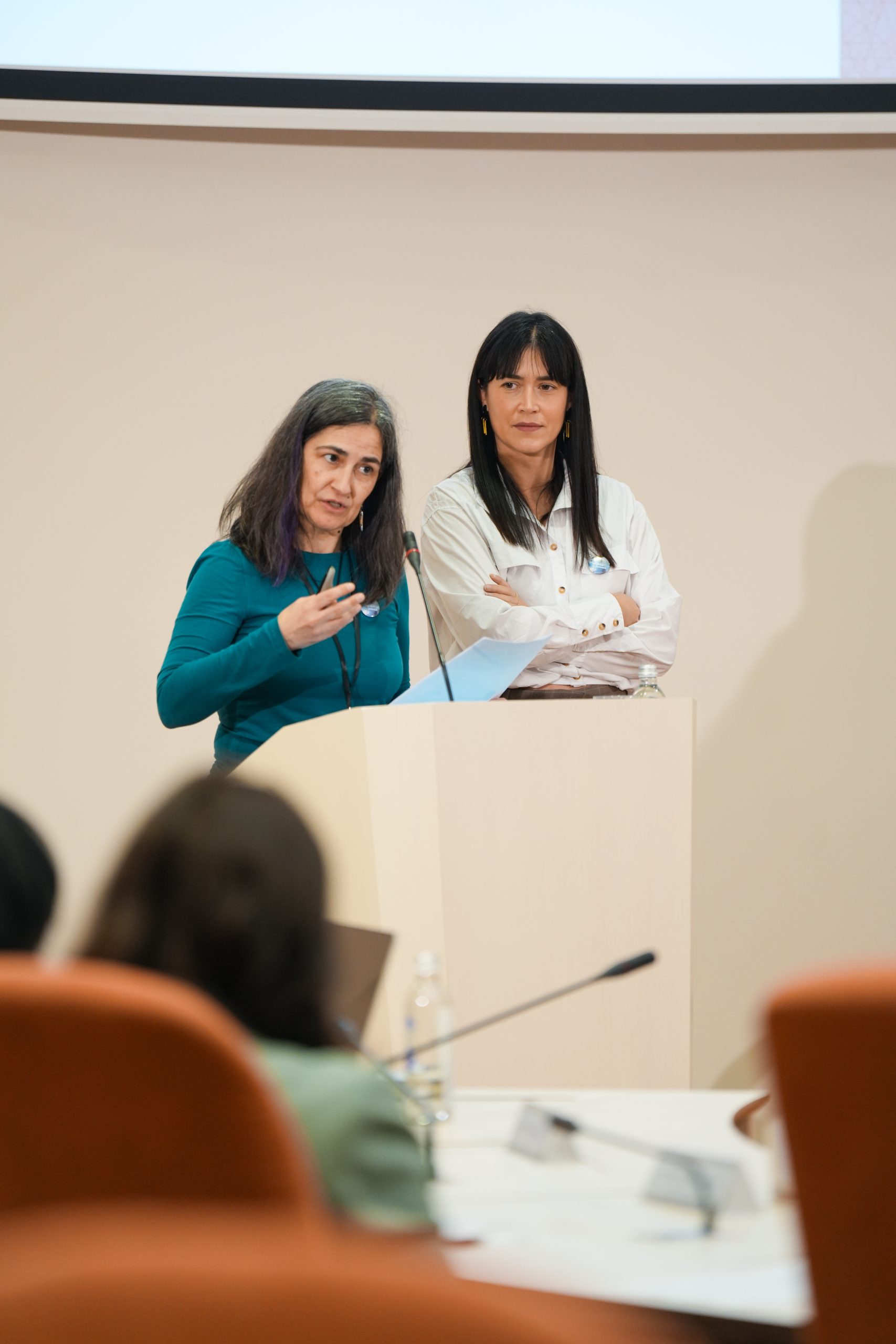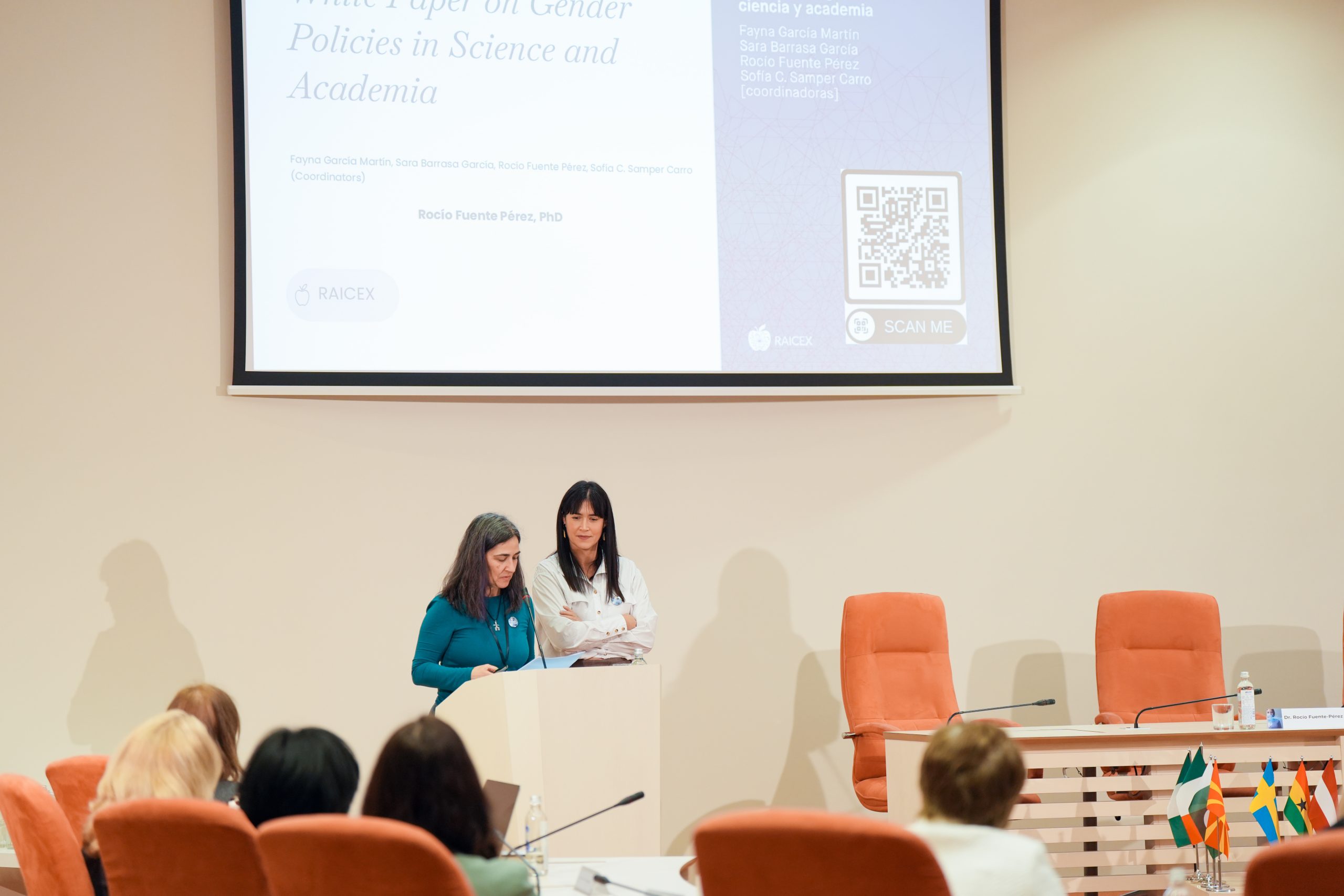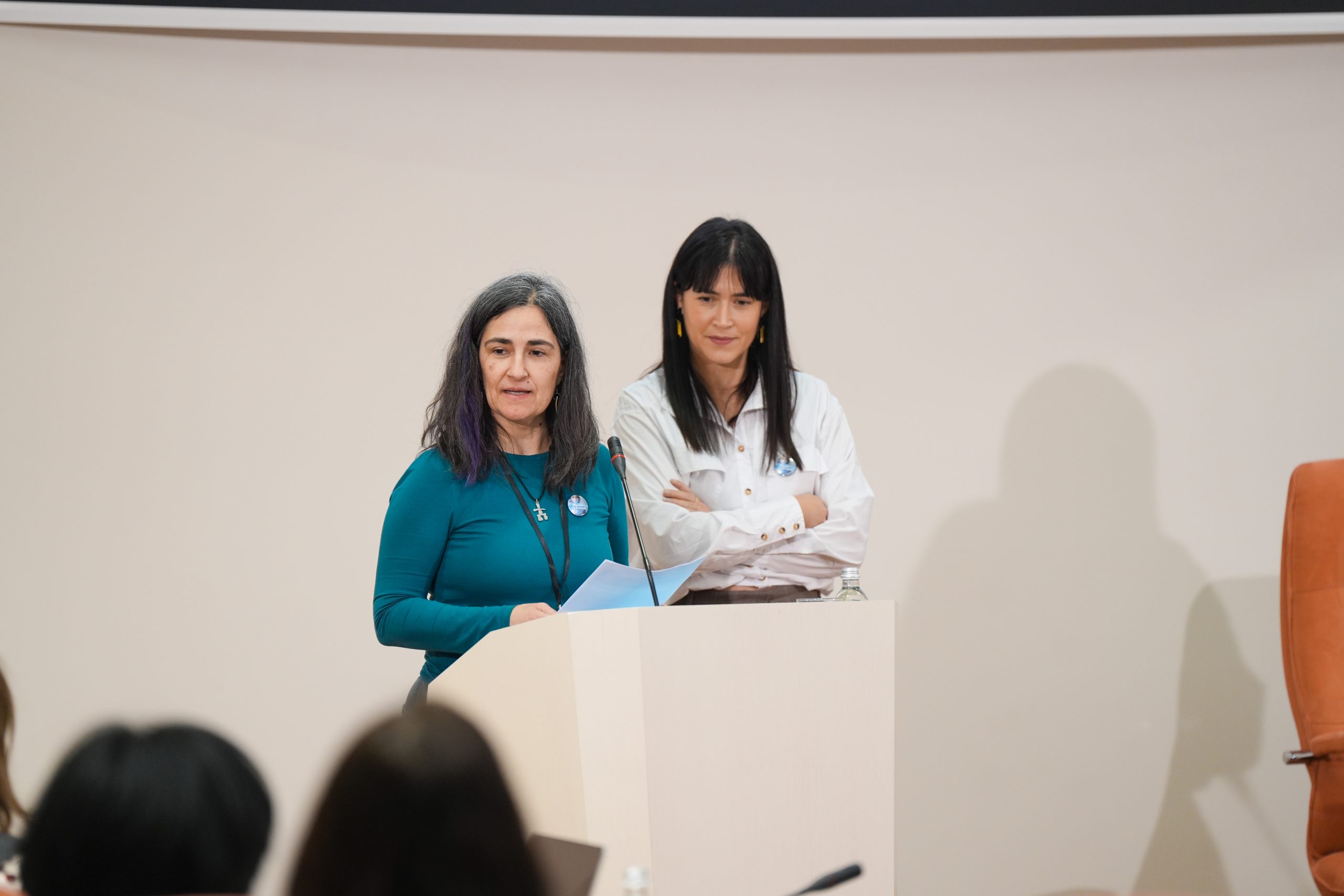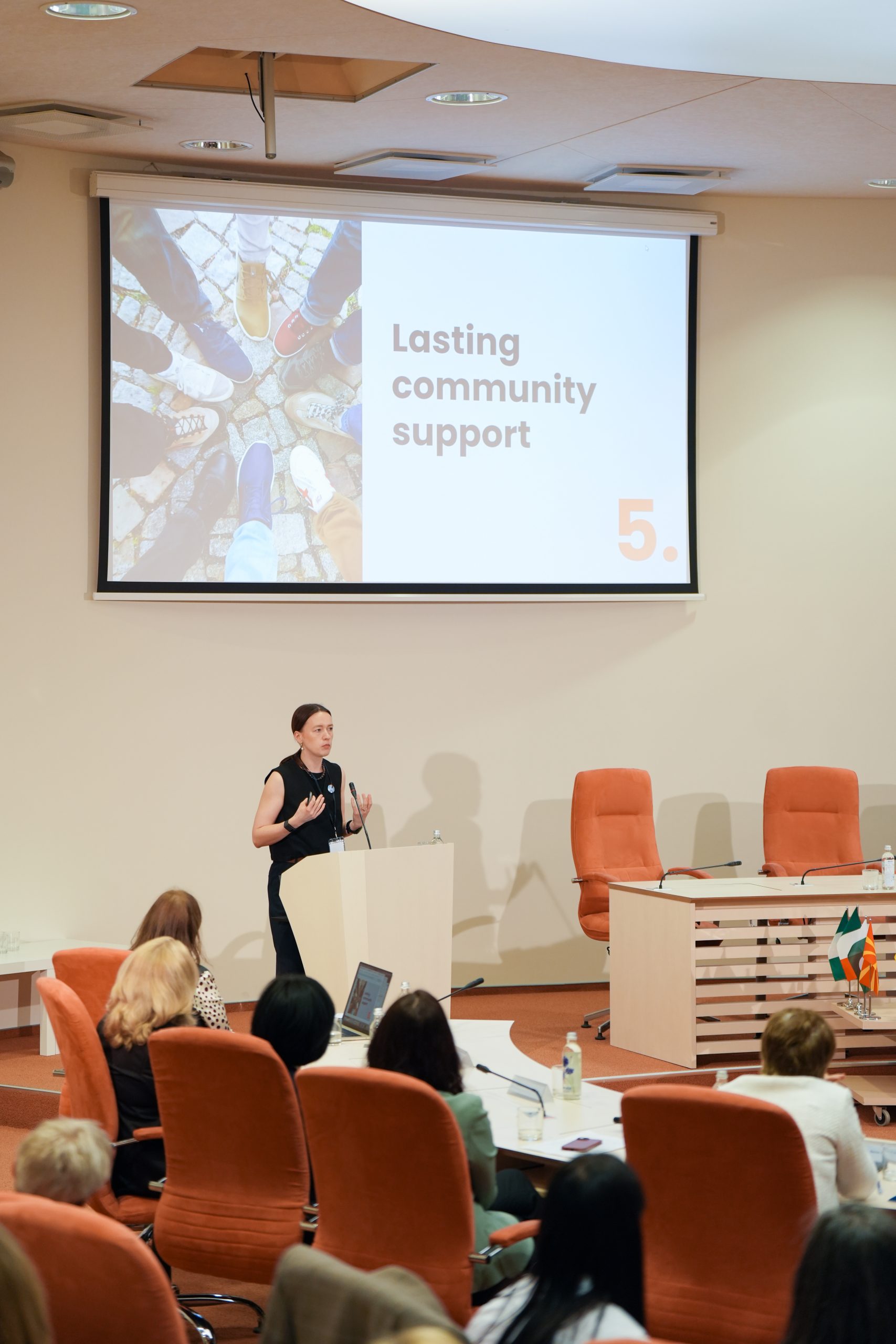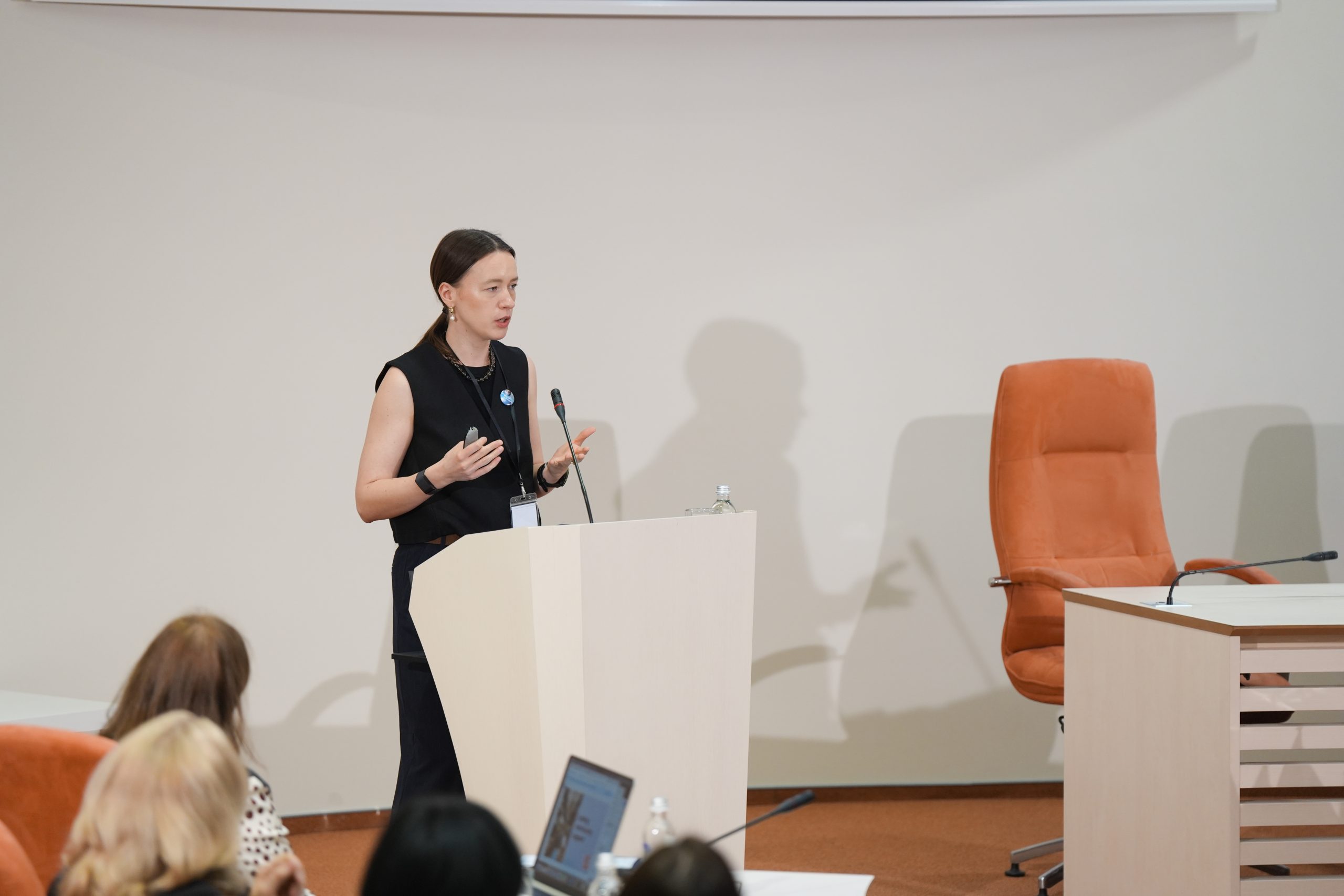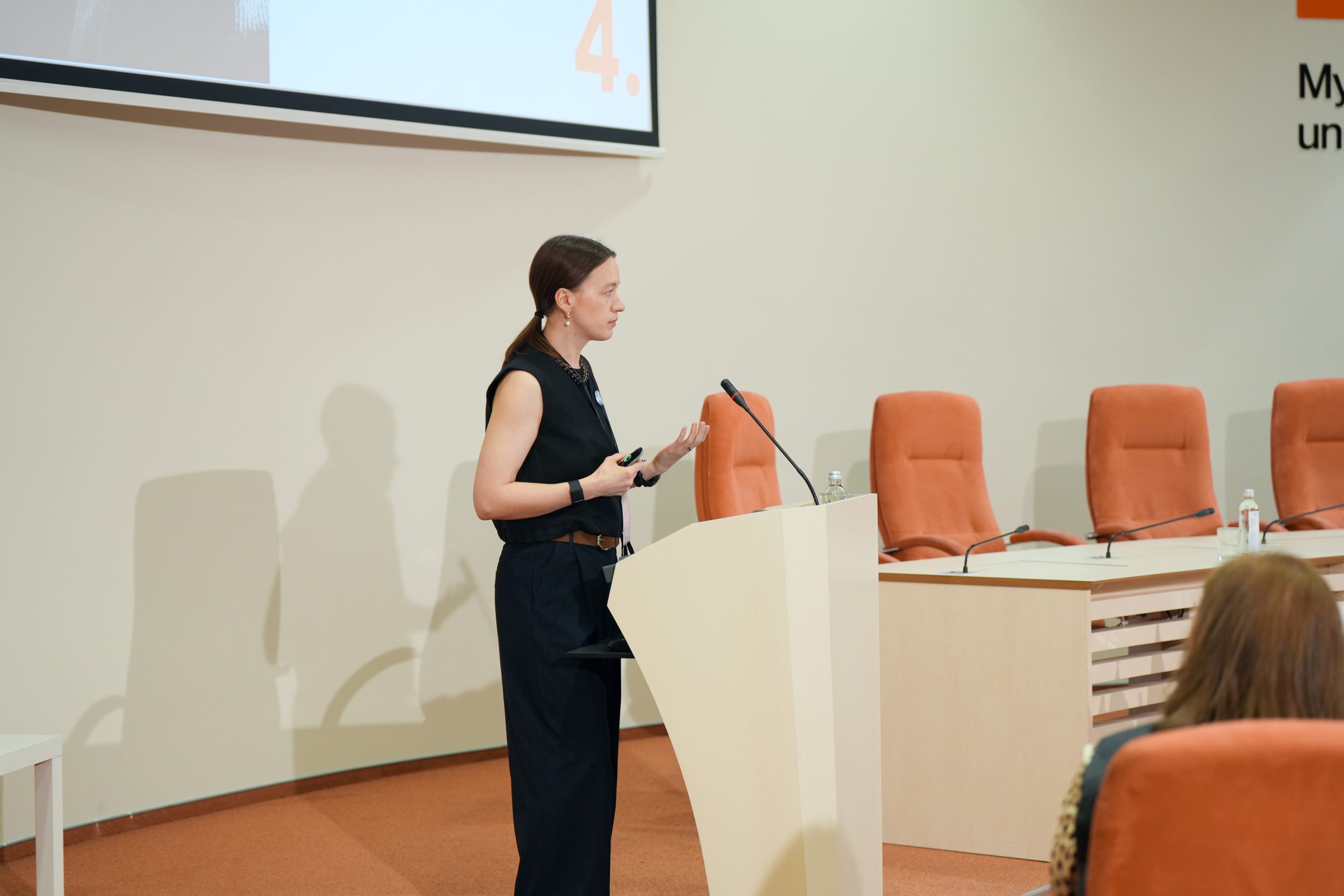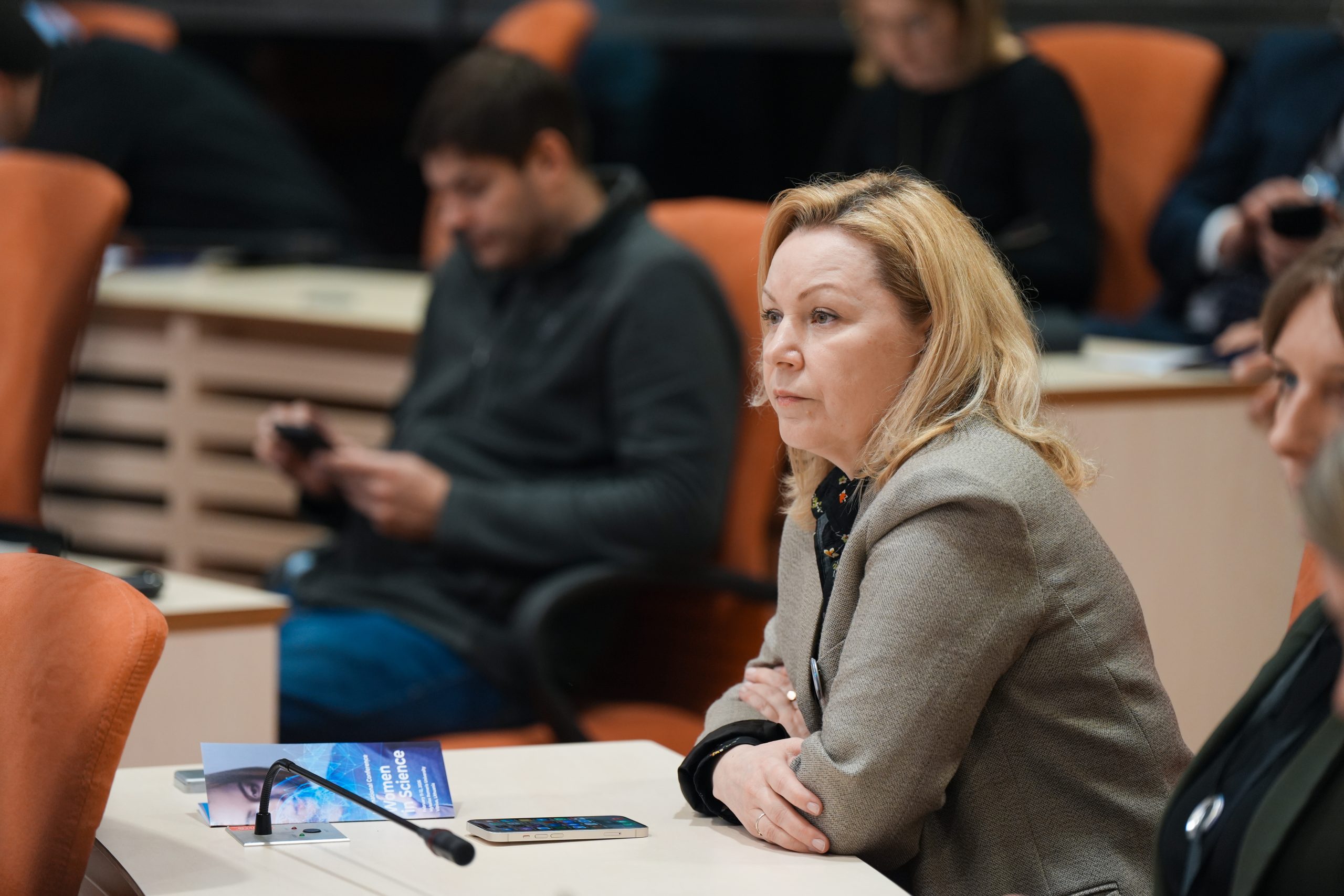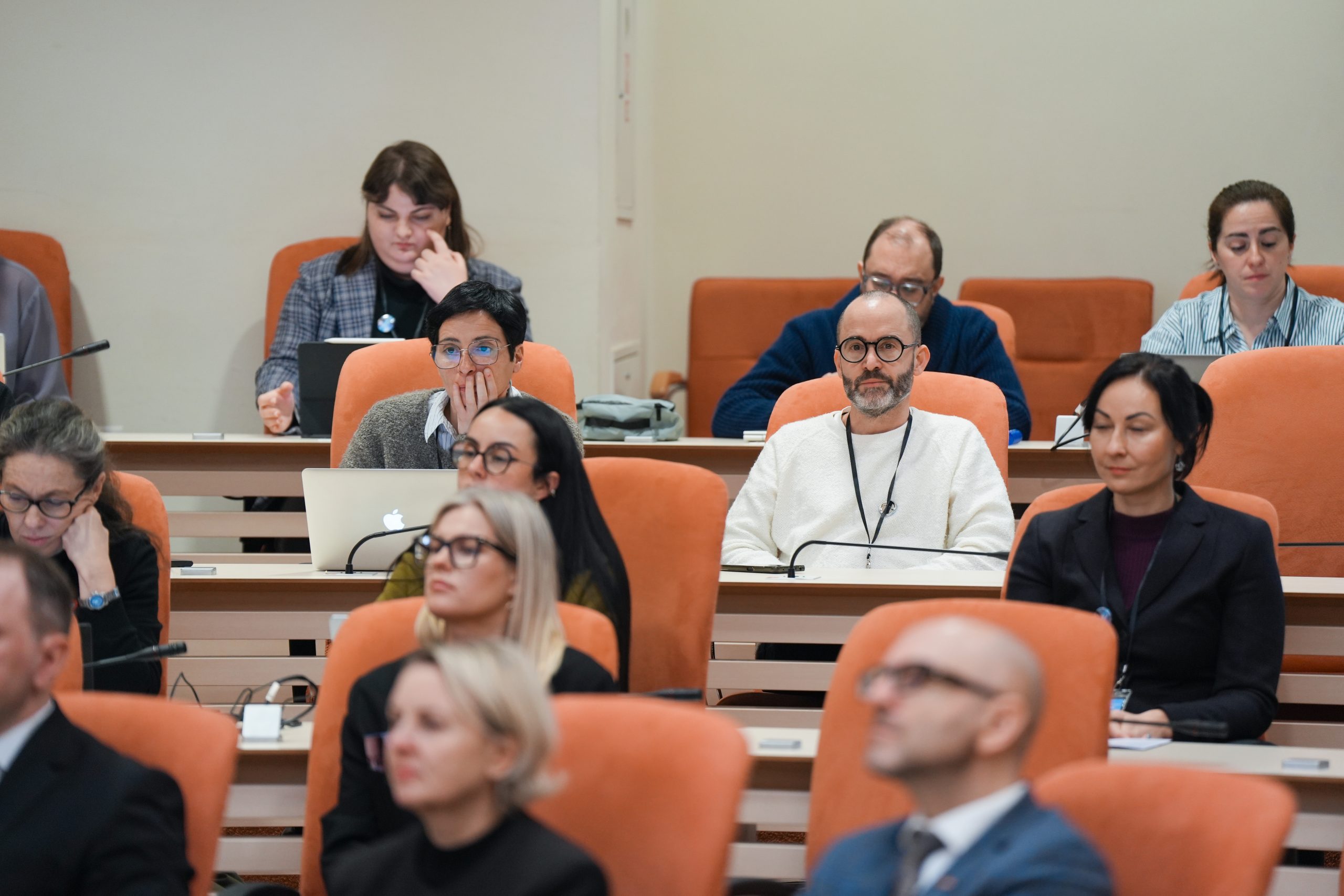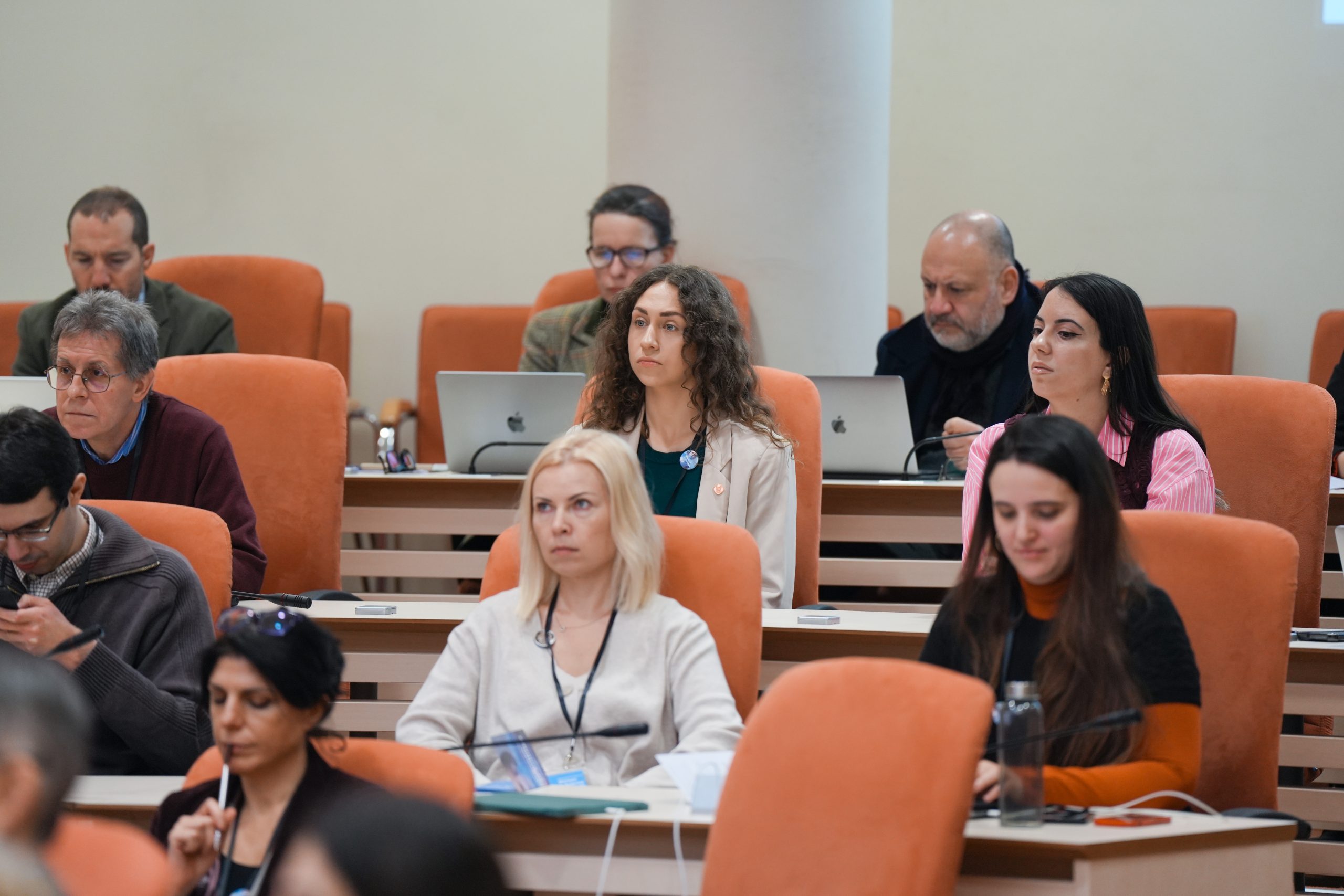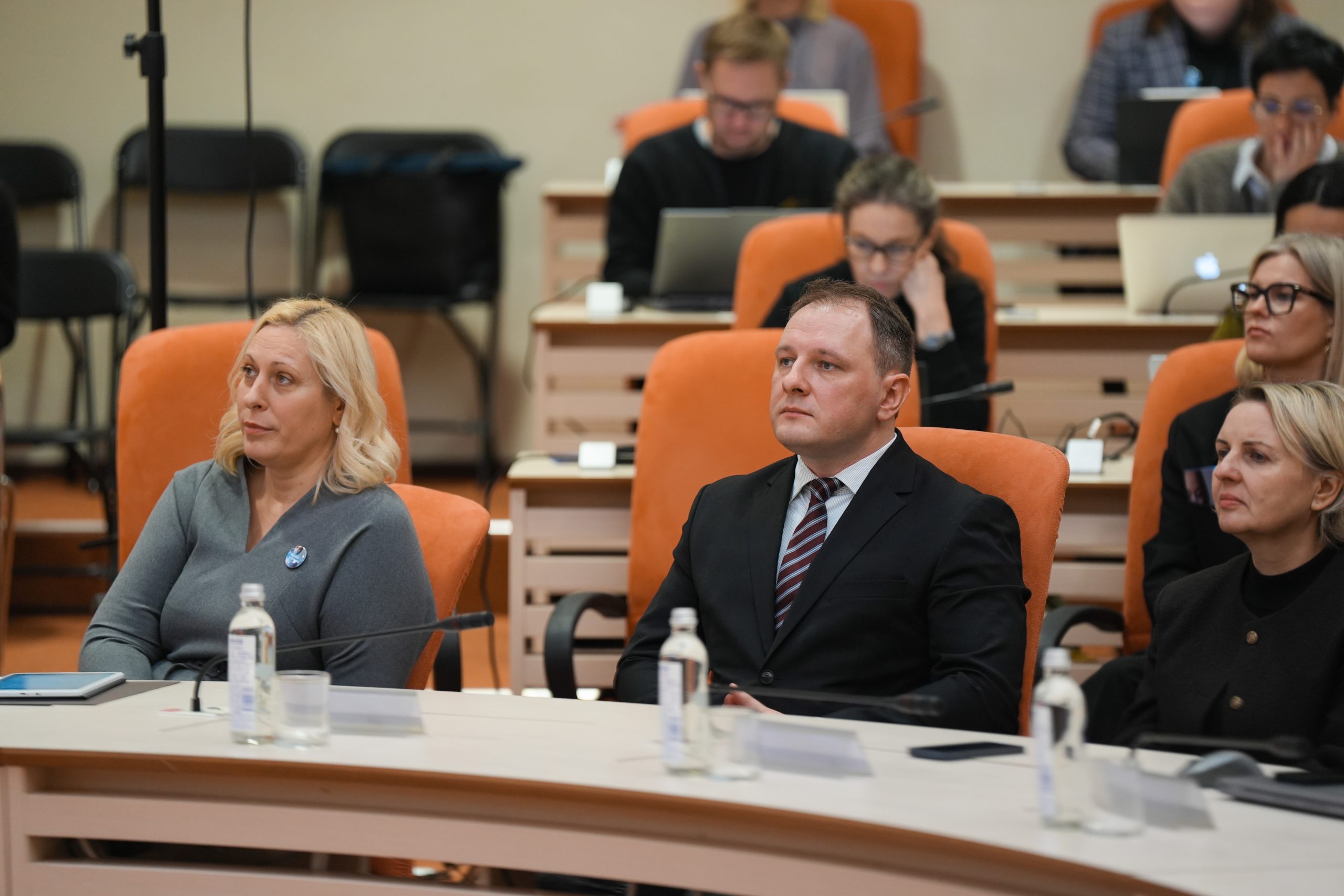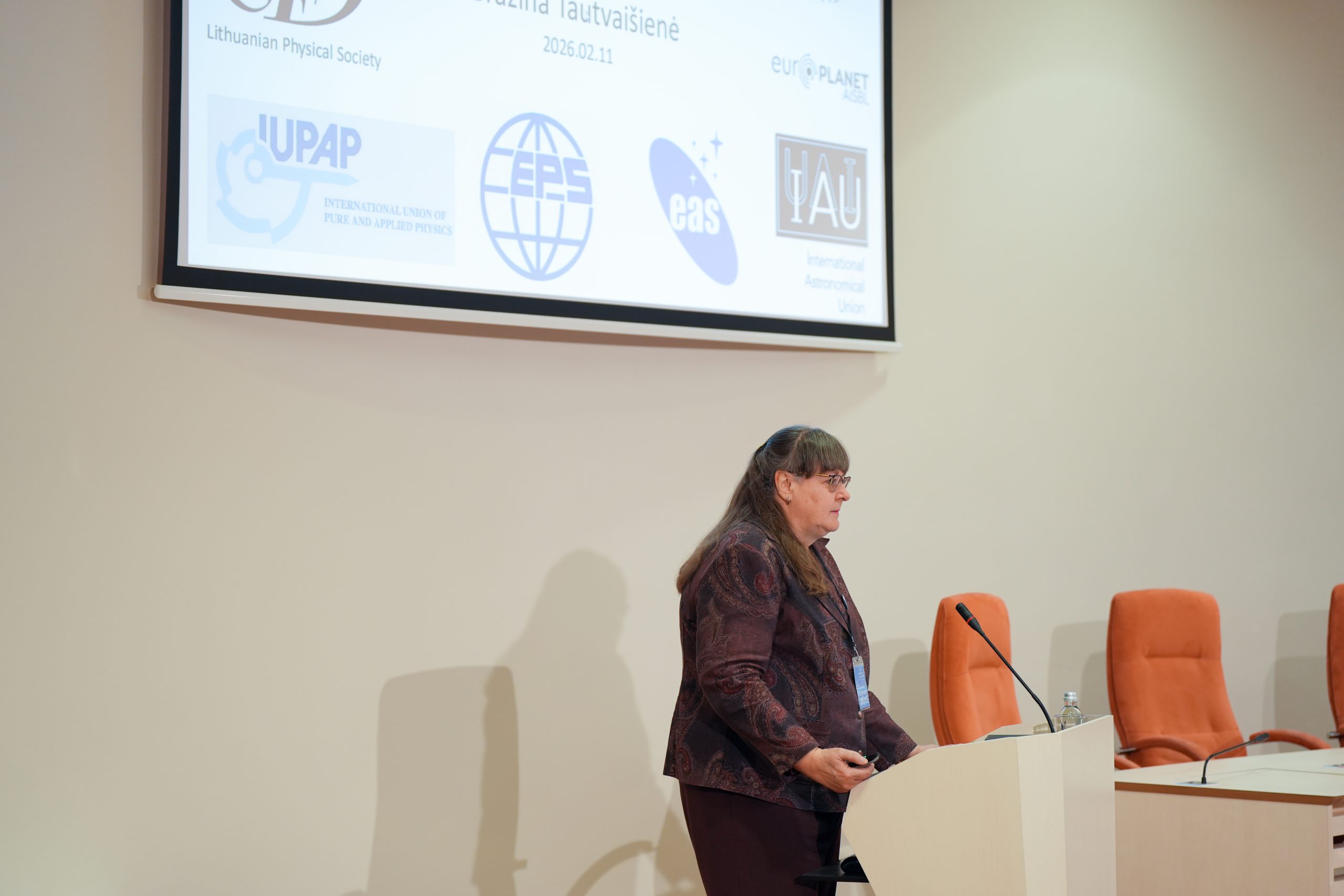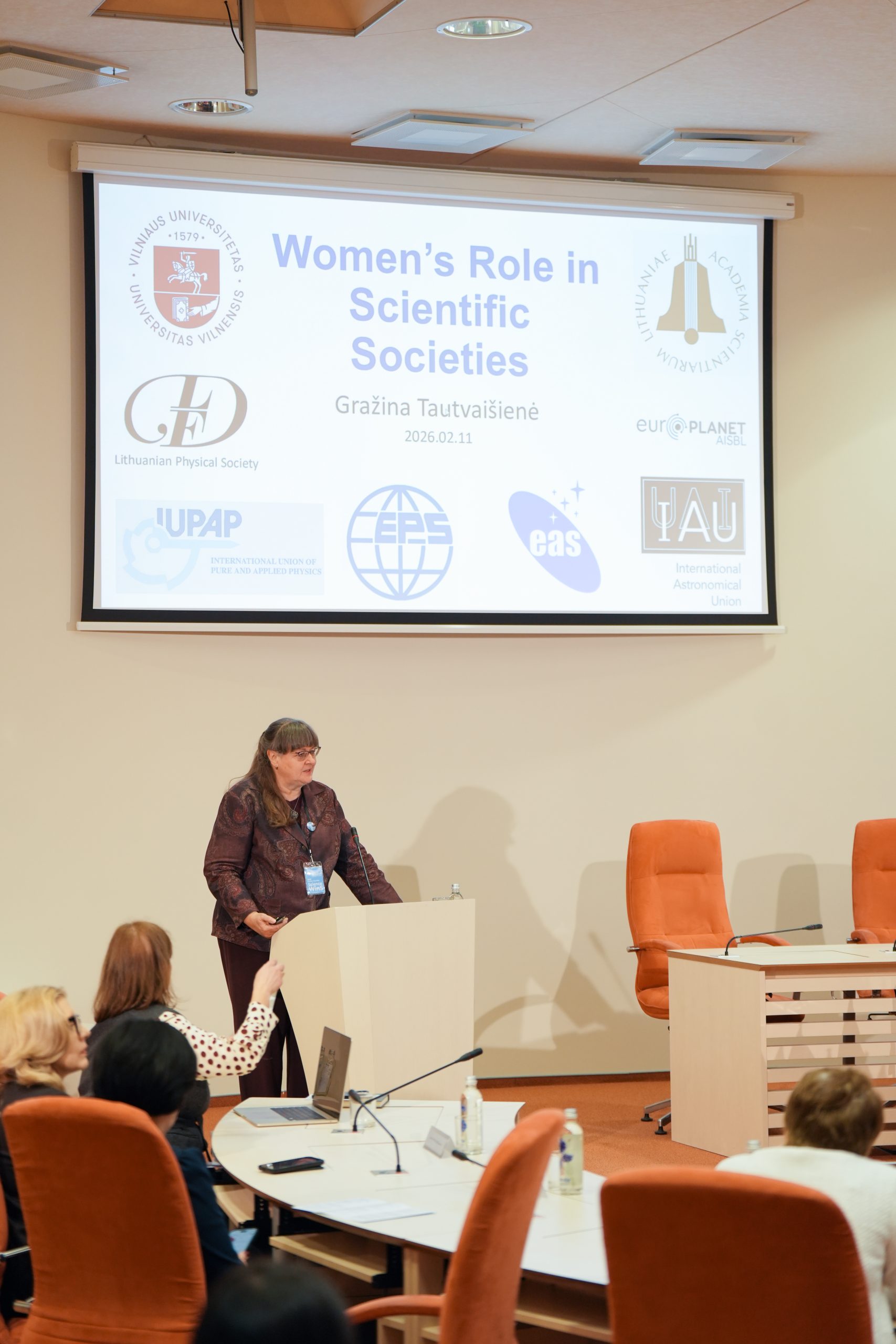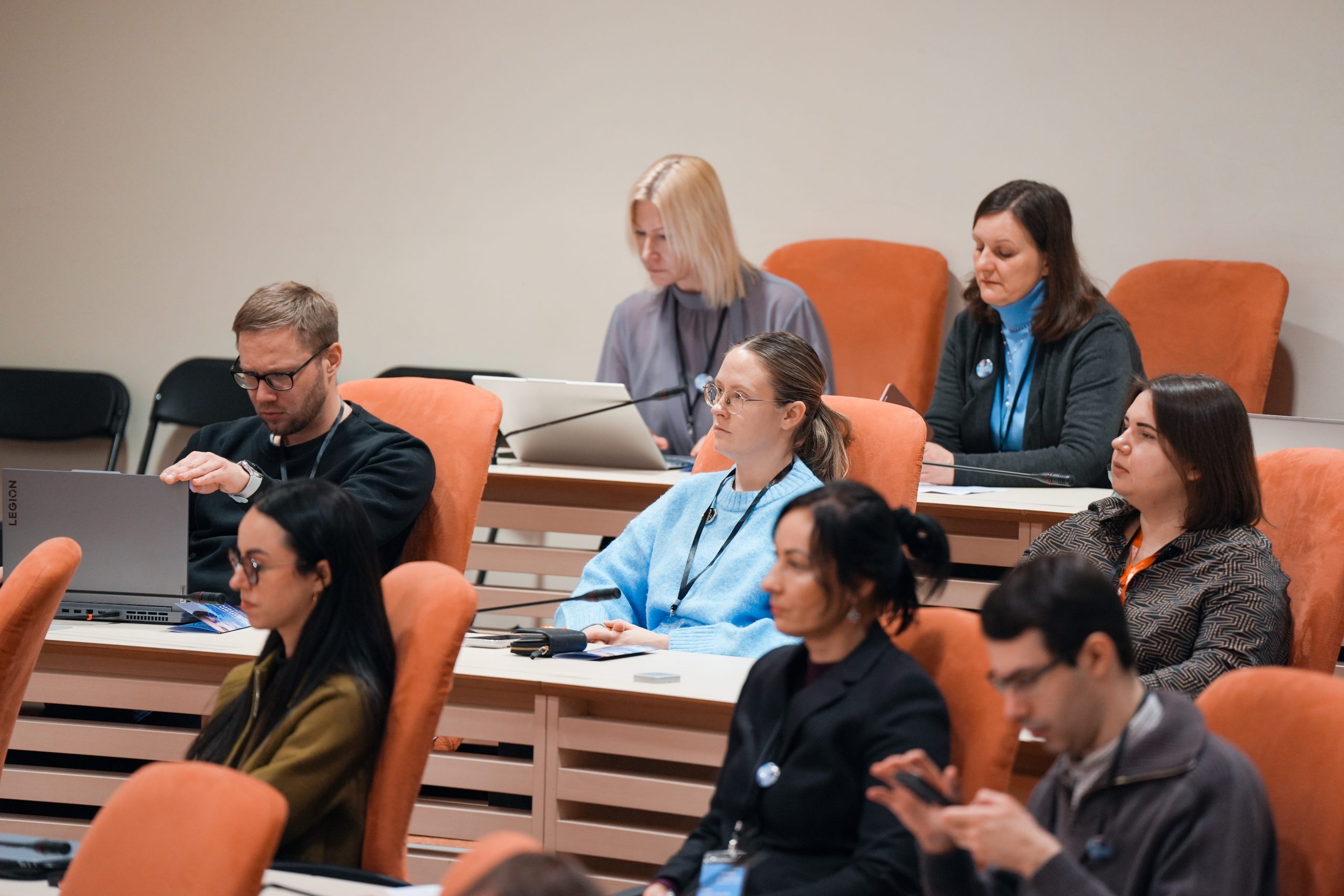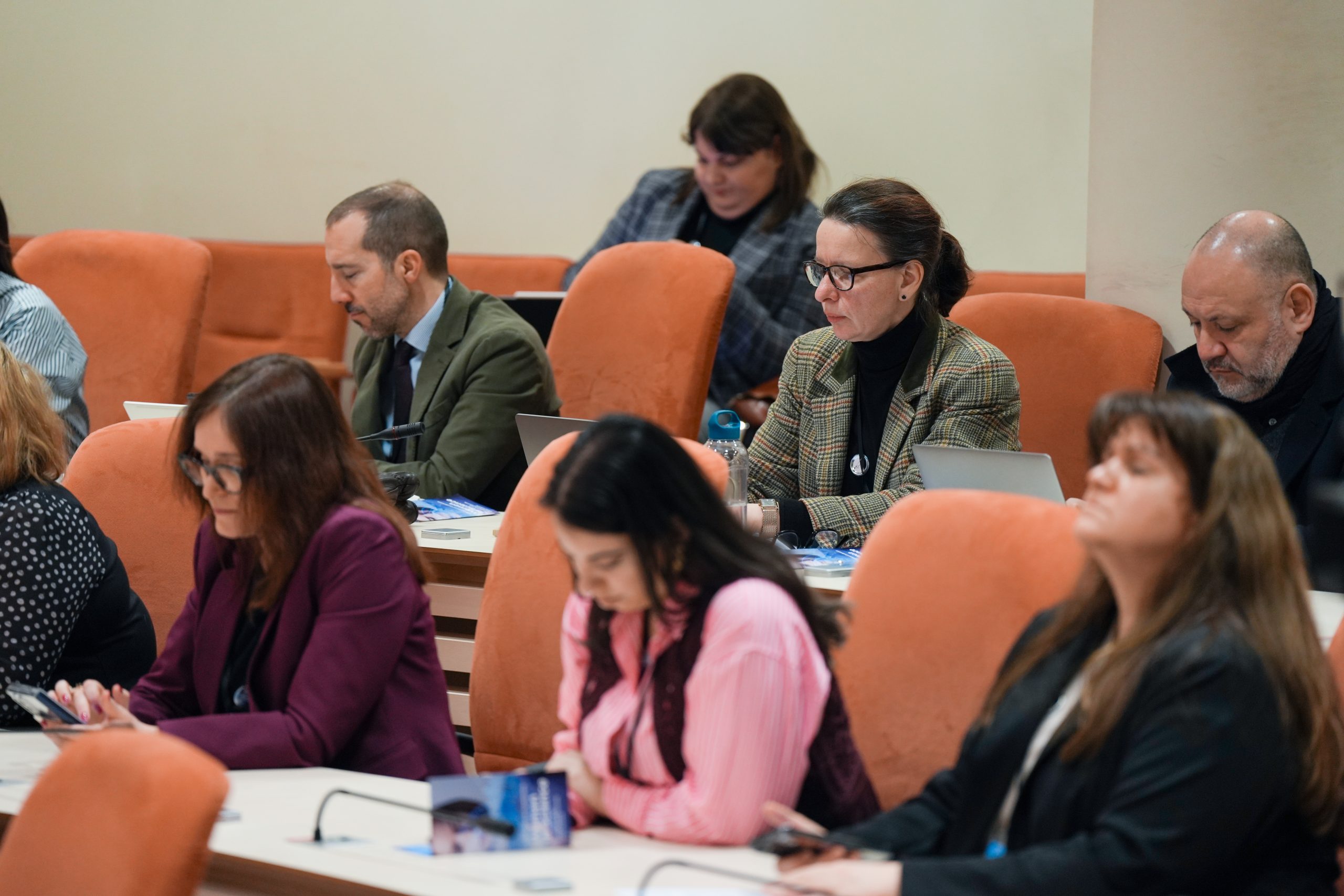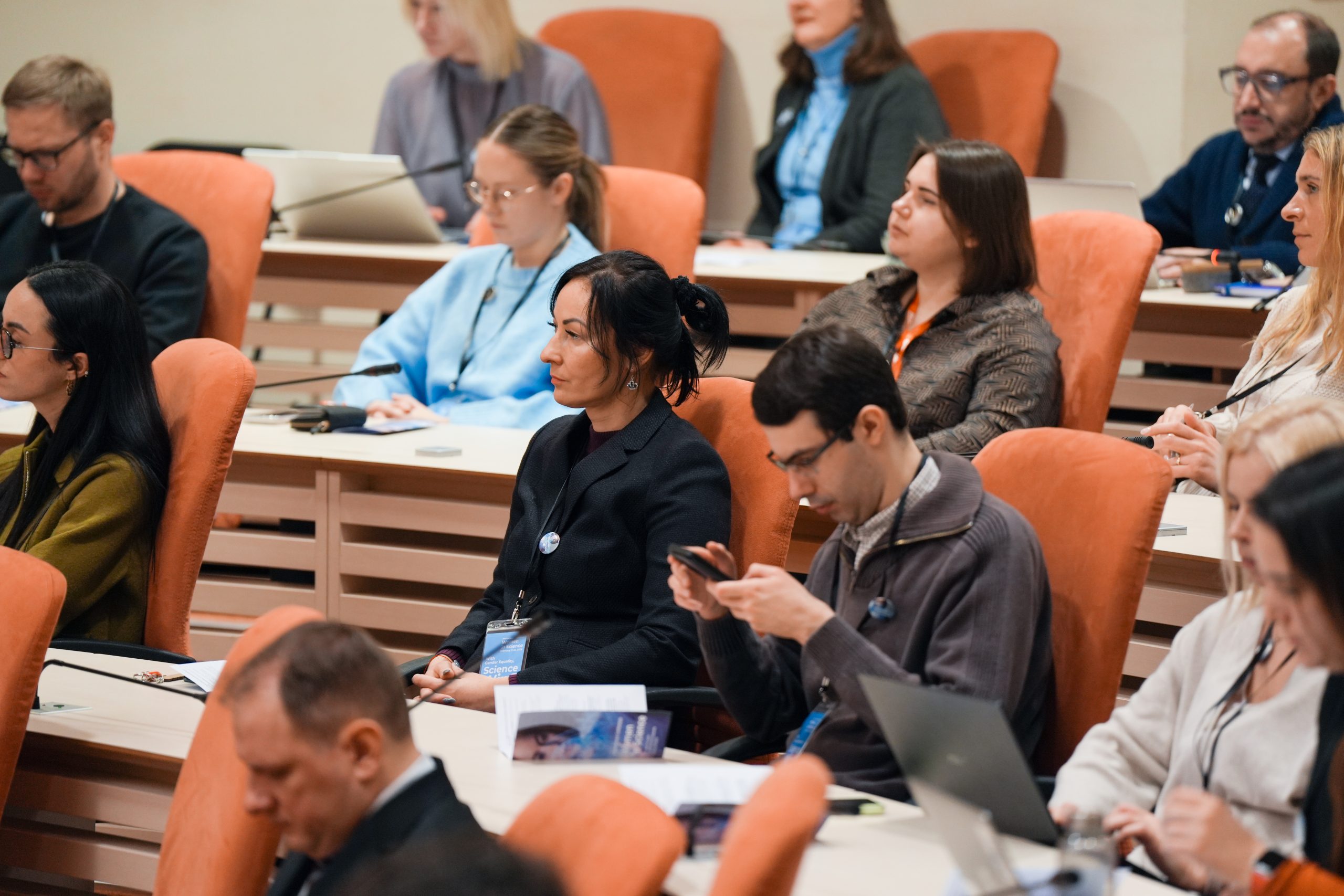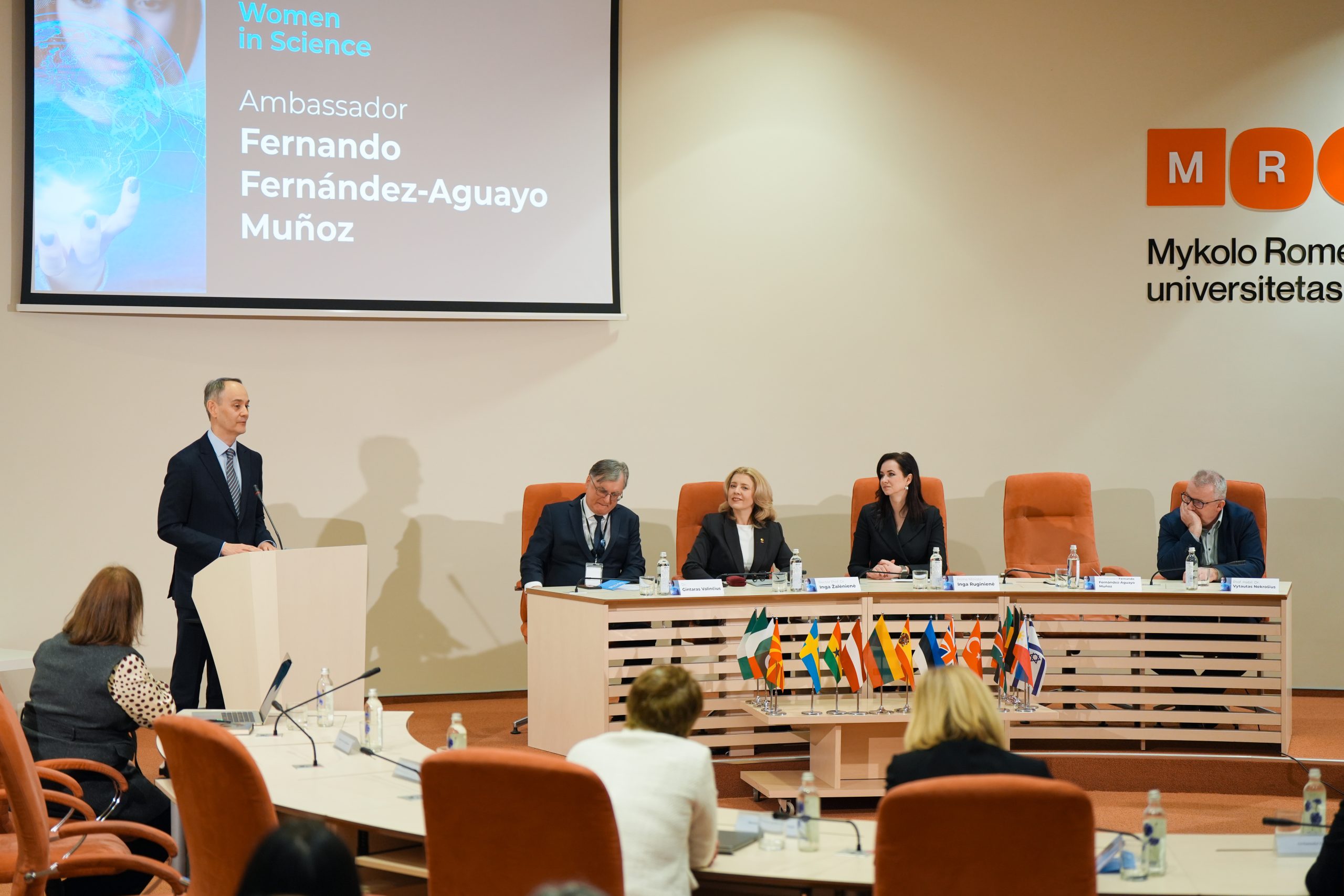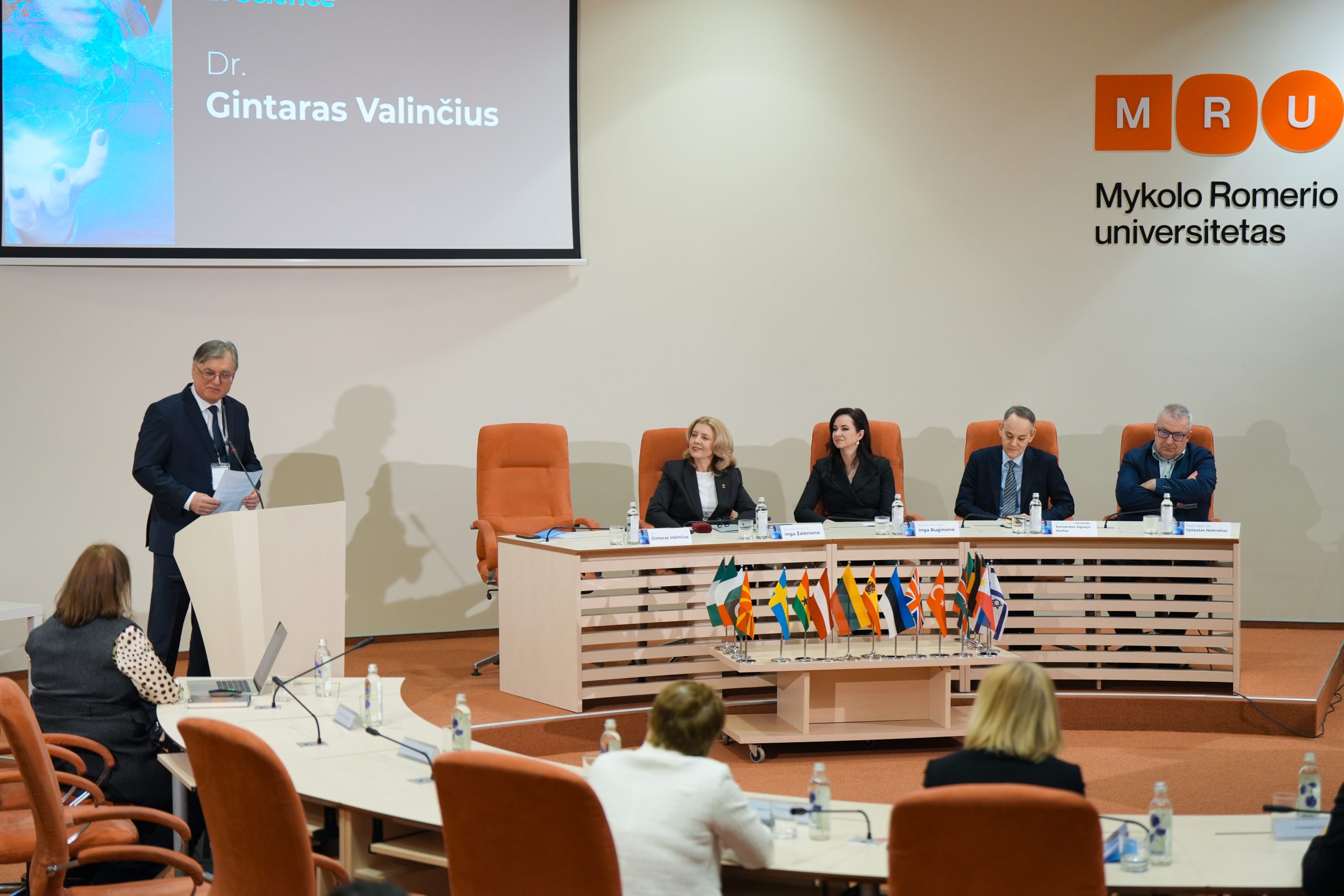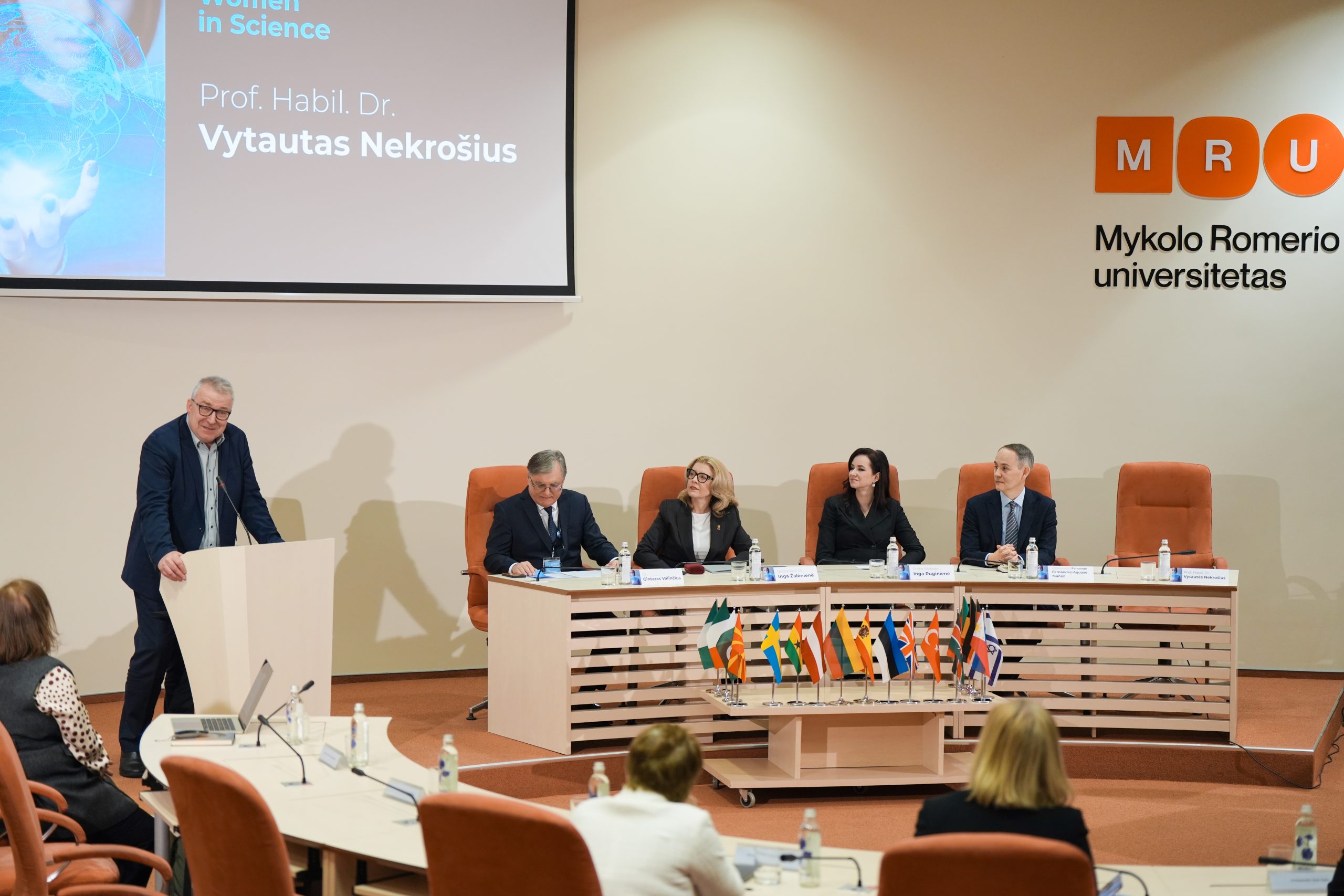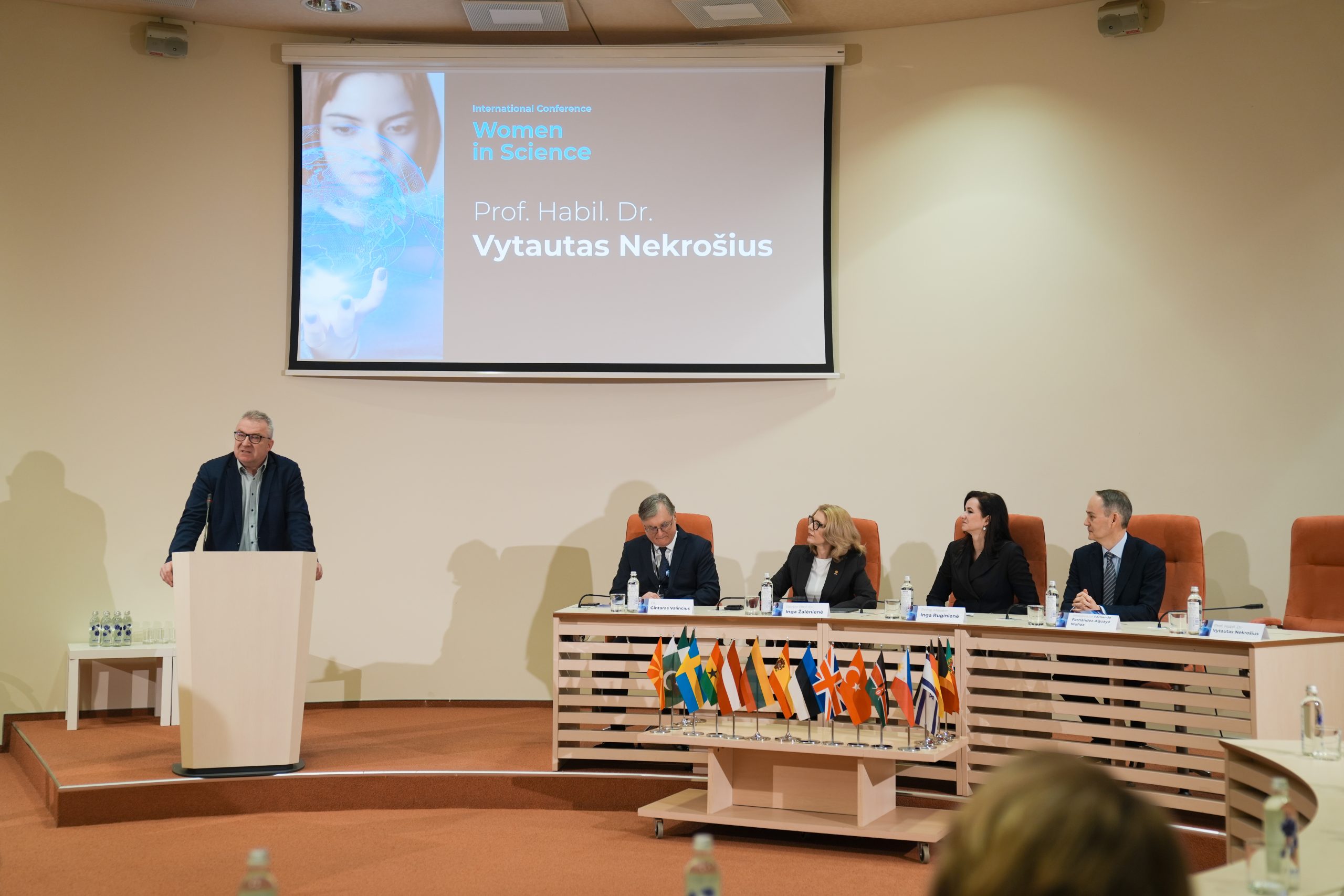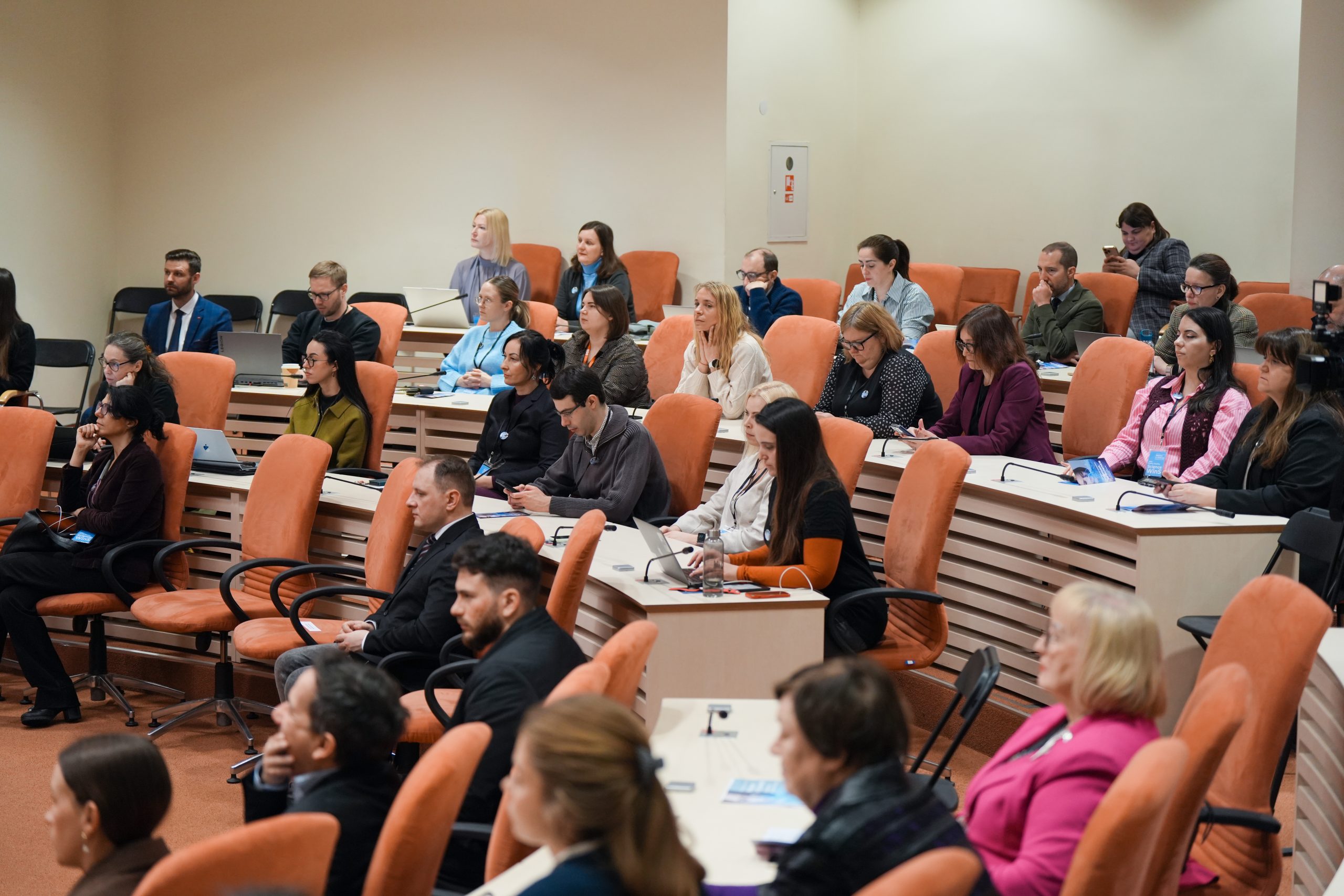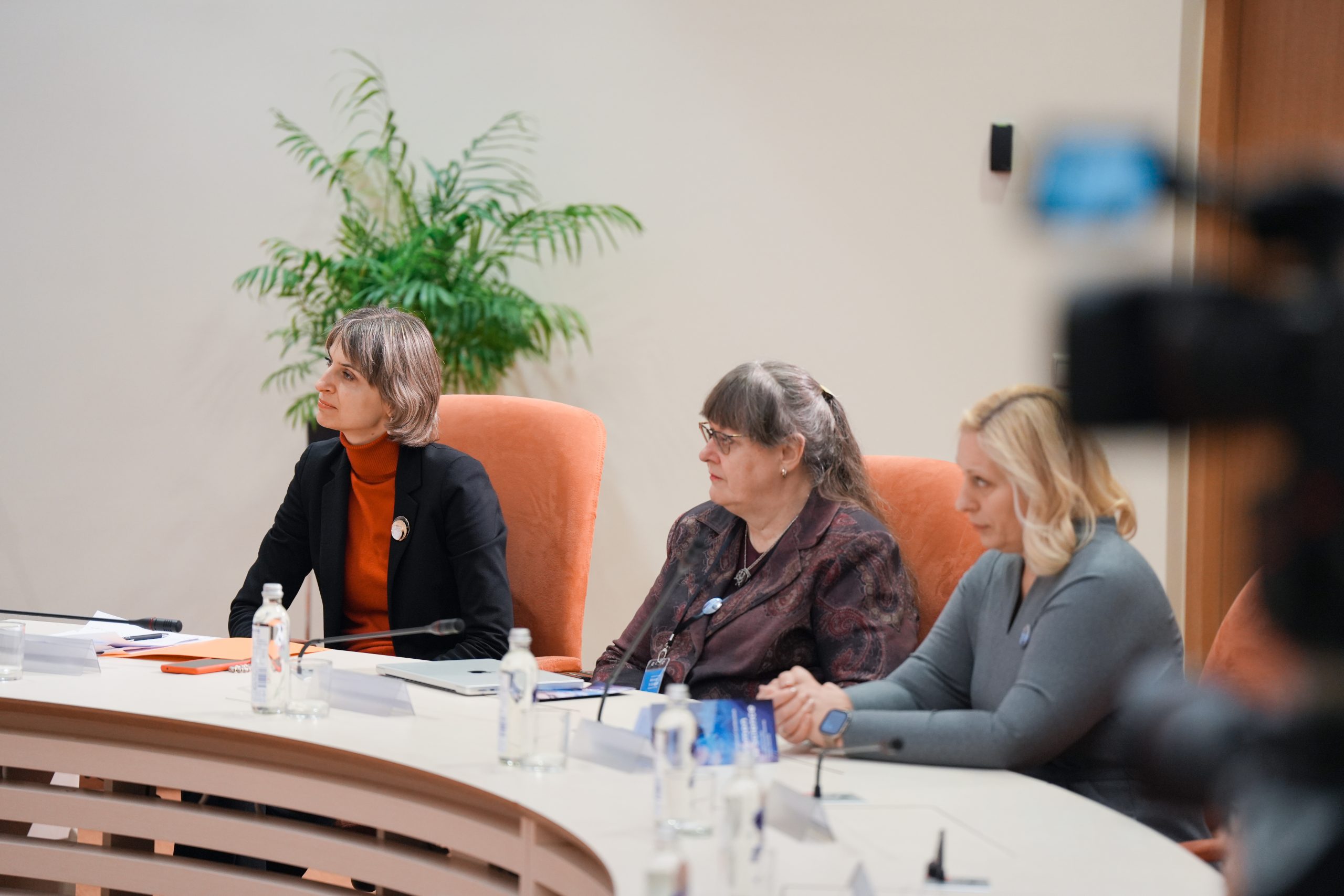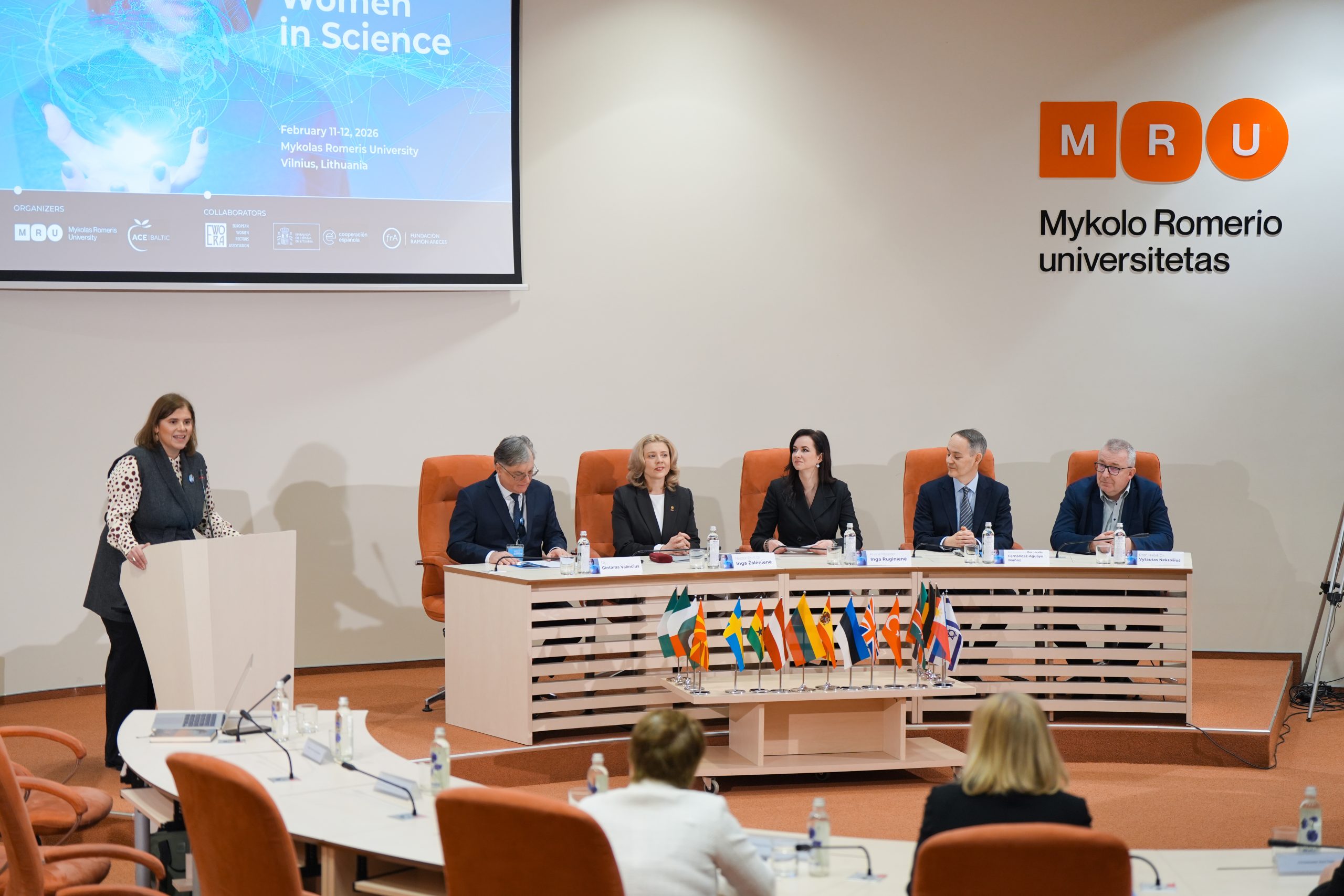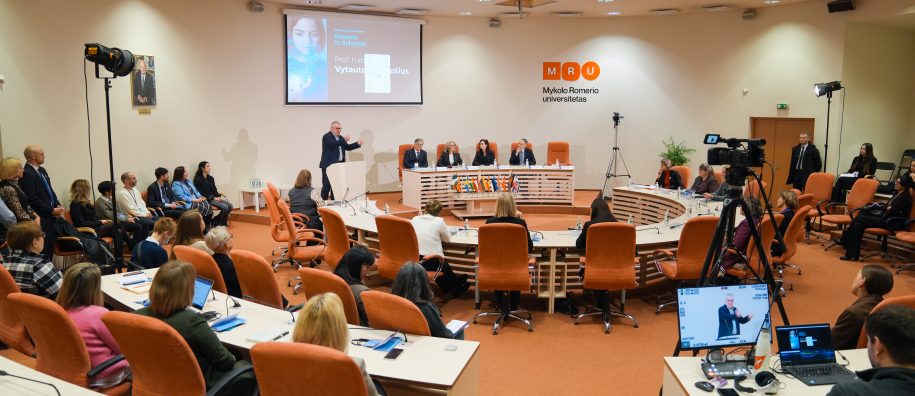
On the occasion of UNESCO’s International Day of Women and Girls in Science, Mykolas Romeris University (MRU) hosted the international conference “Women in Science (WinS)”, bringing together around 50 scientists and researchers from more than 18 countries.
Held on February 11–12, the event, now in its second year, once again brought together members of the academic community, scientists, and researchers from Lithuania and abroad to discuss the role of women in science, the promotion of equal opportunities, and the challenges women still face in pursuing leadership positions in academia.
Gender Equality in Science: Signs of Progress and Ongoing Challenges
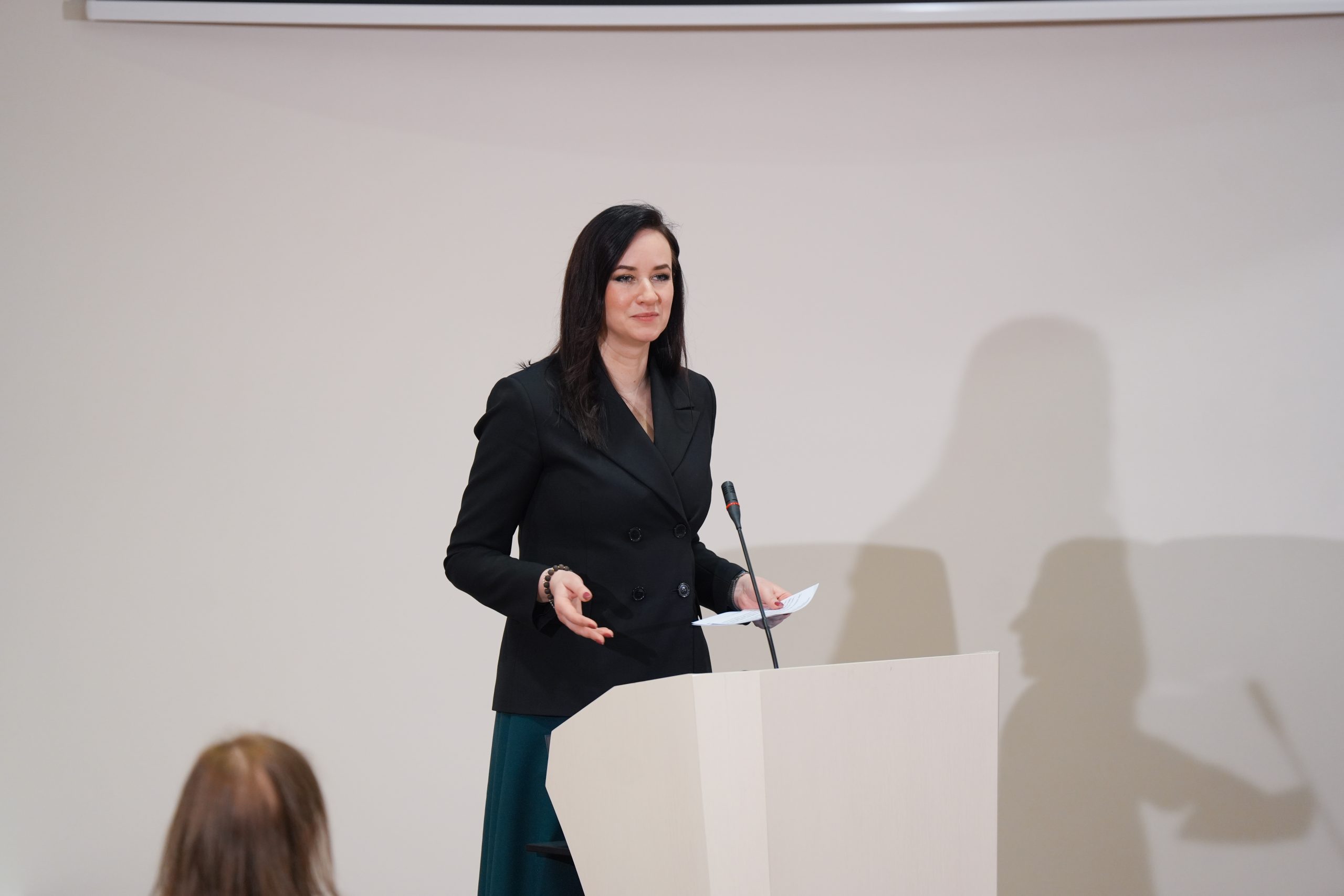
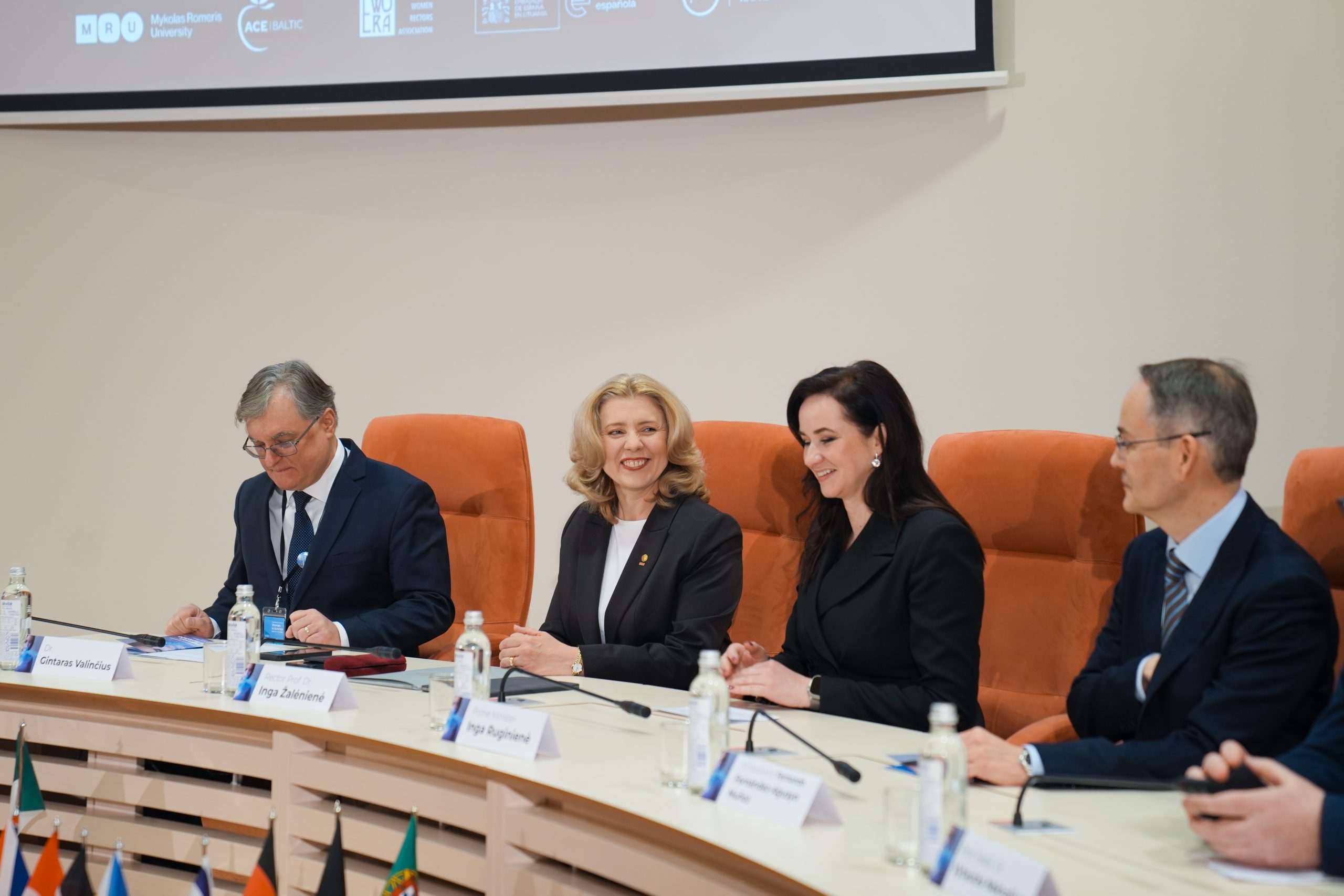
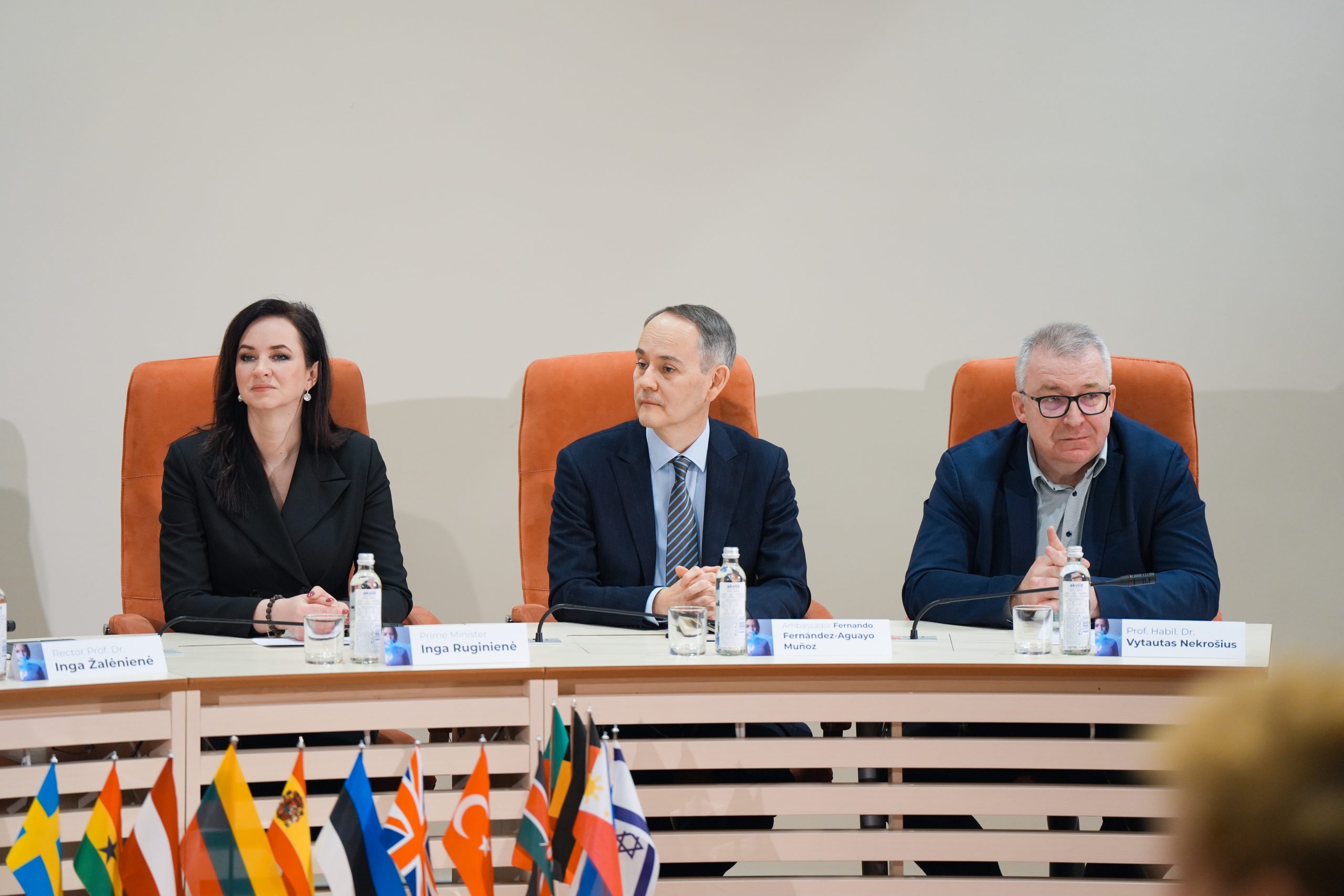
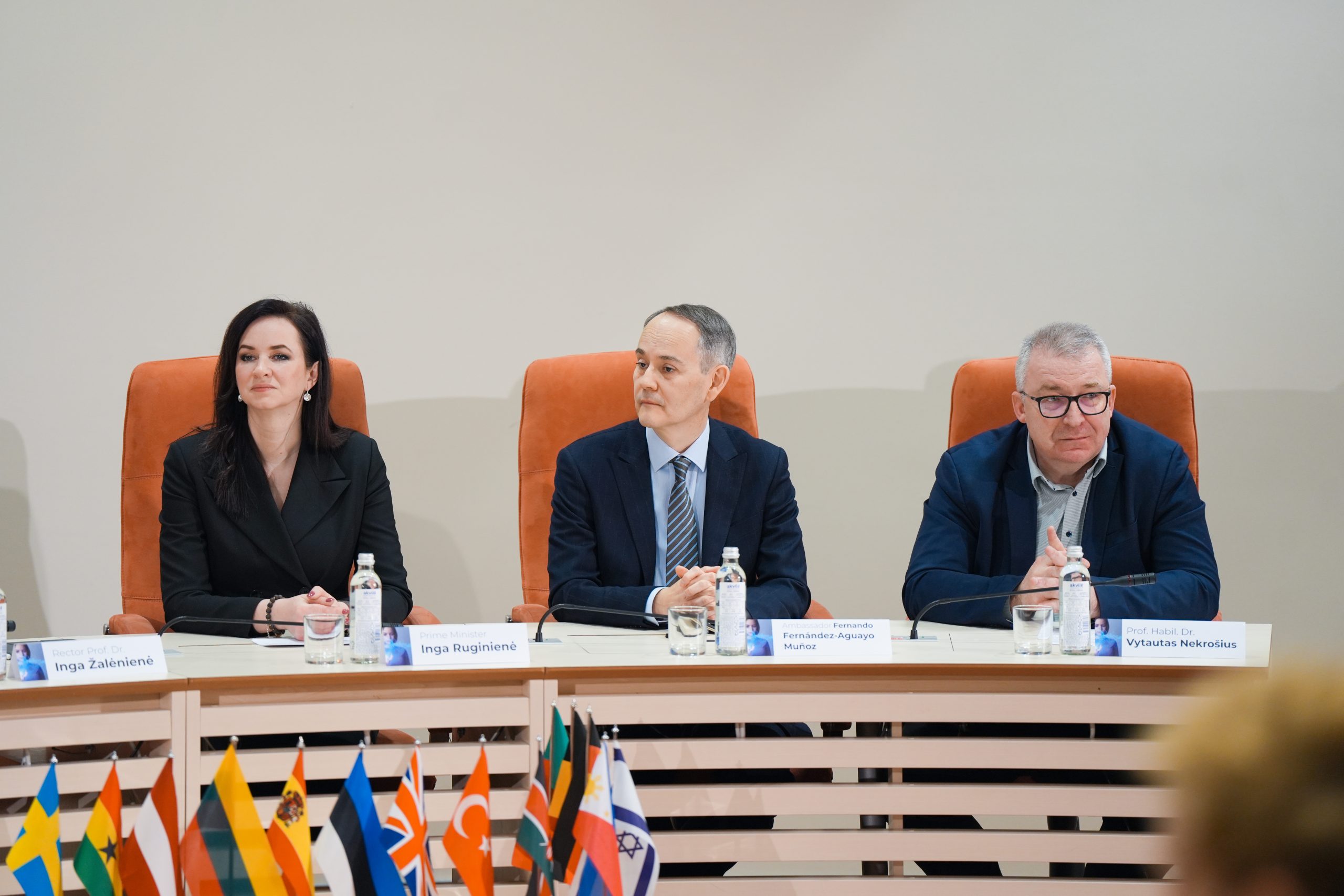
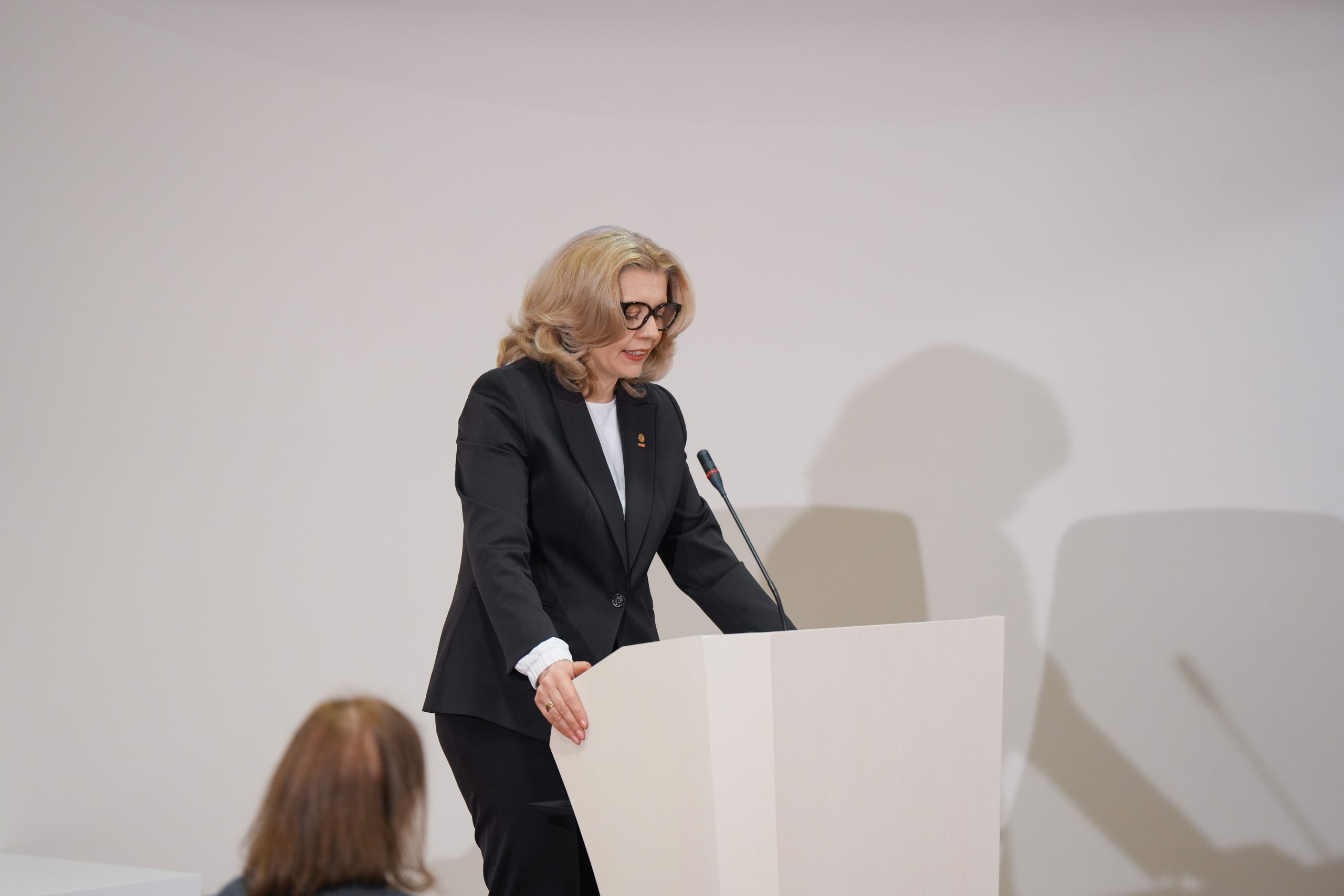
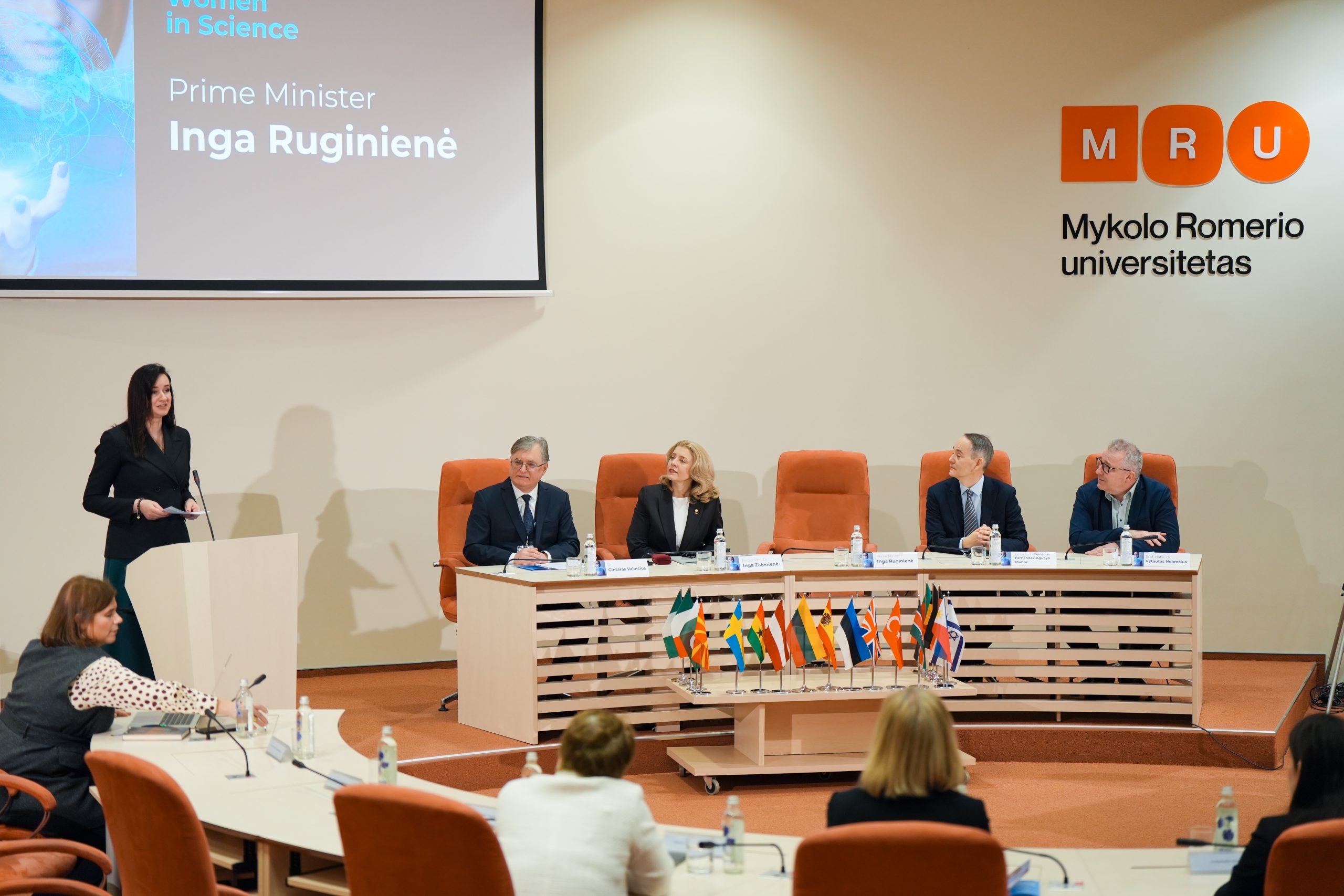
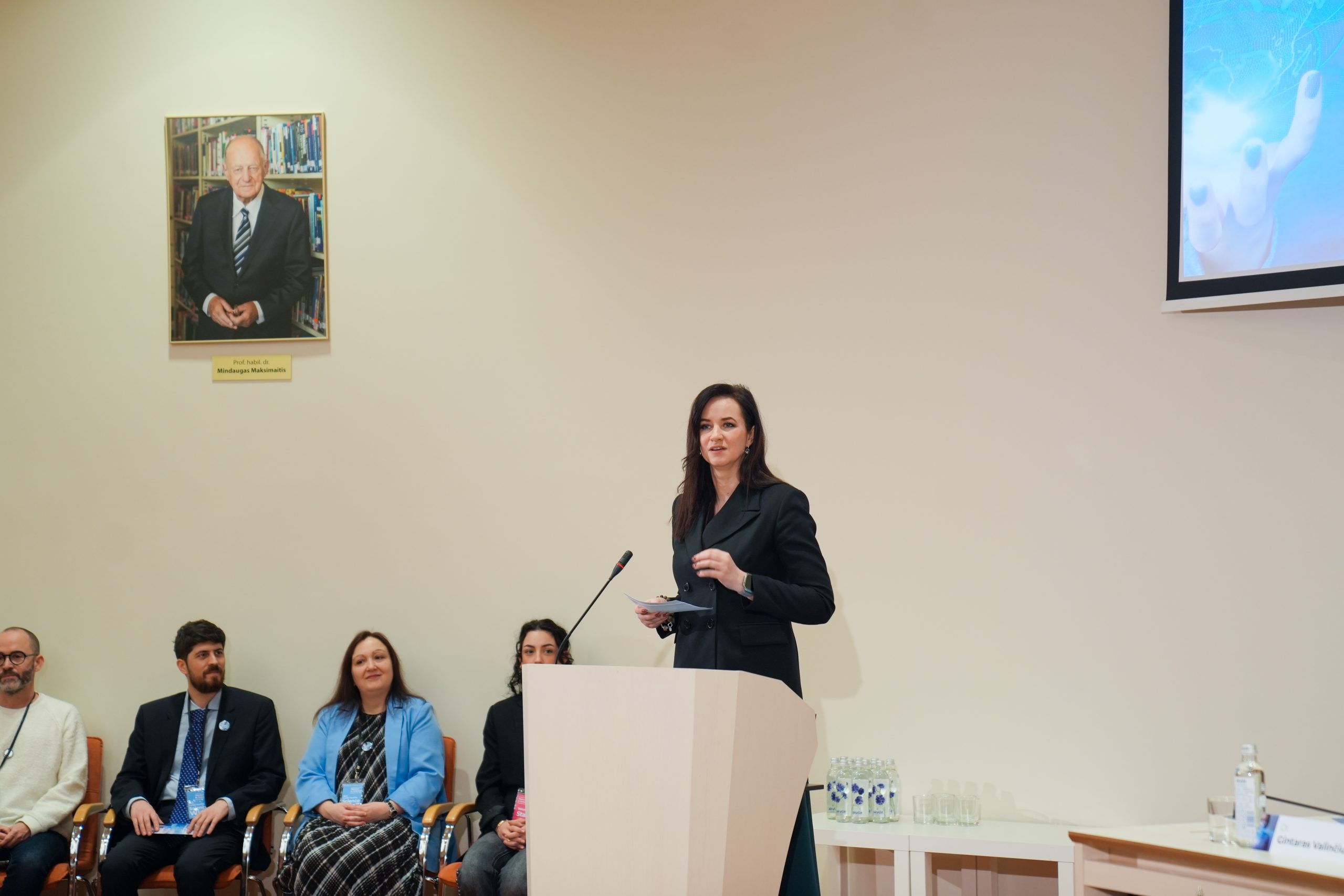
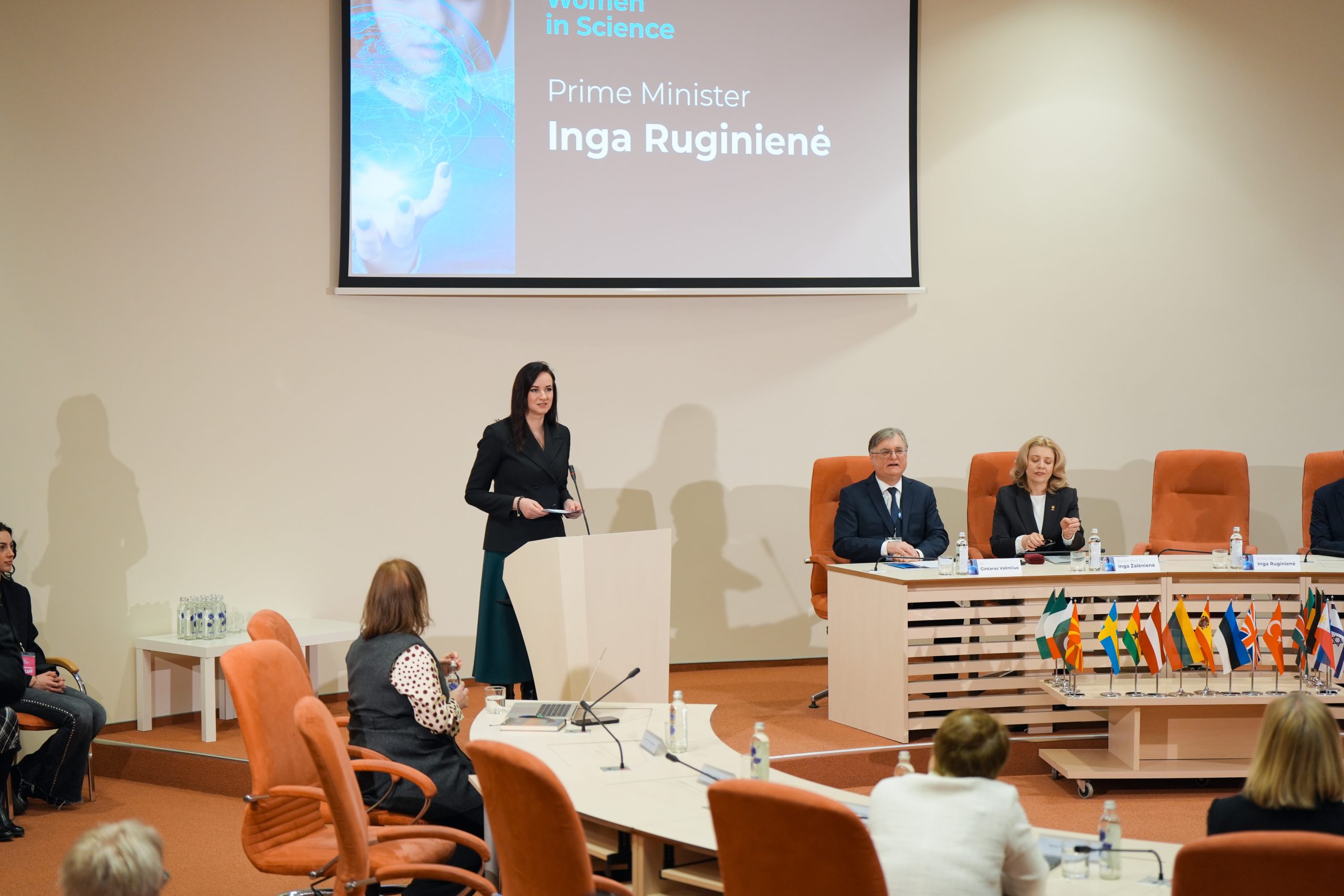
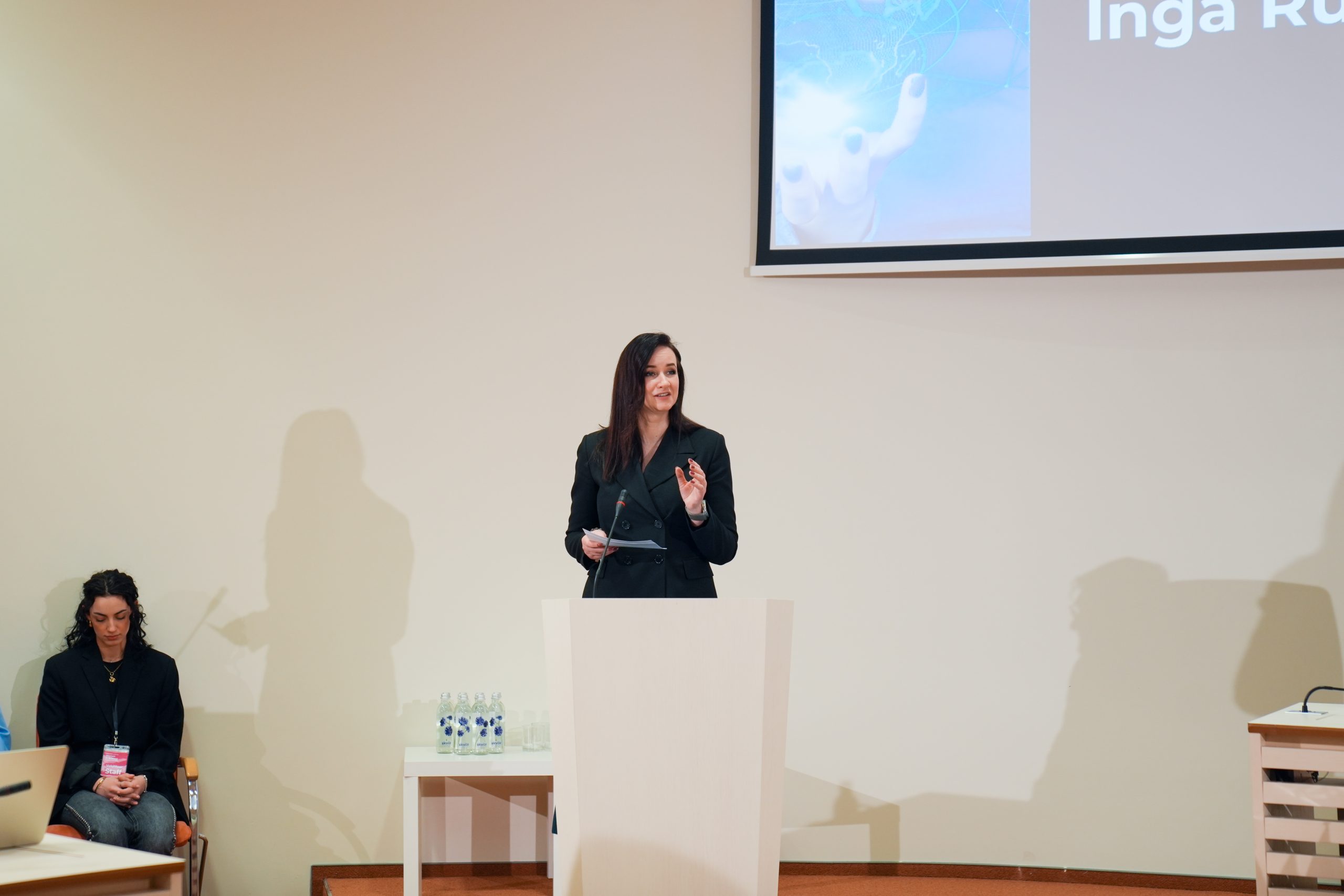
Welcoming the conference participants, the Patron of the Conference, Prime Minister of Lithuania Inga Ruginienė, noted: “It is regrettable that today, when we have sufficient reason to reflect on how artificial intelligence is transforming – and will continue to transform – science, learning, and the education system, we still have to address such archaic issues as inequality and women’s empowerment.”
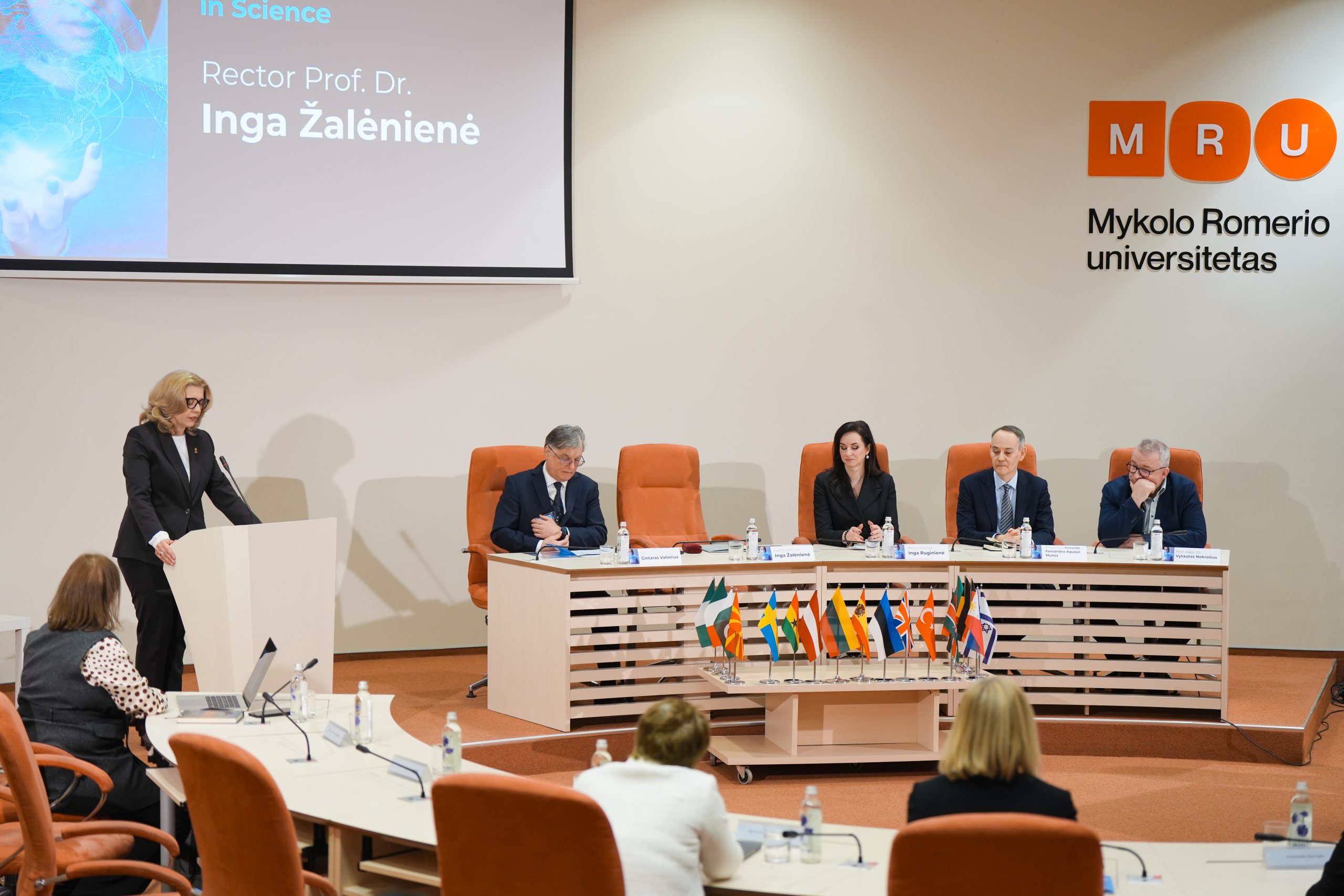
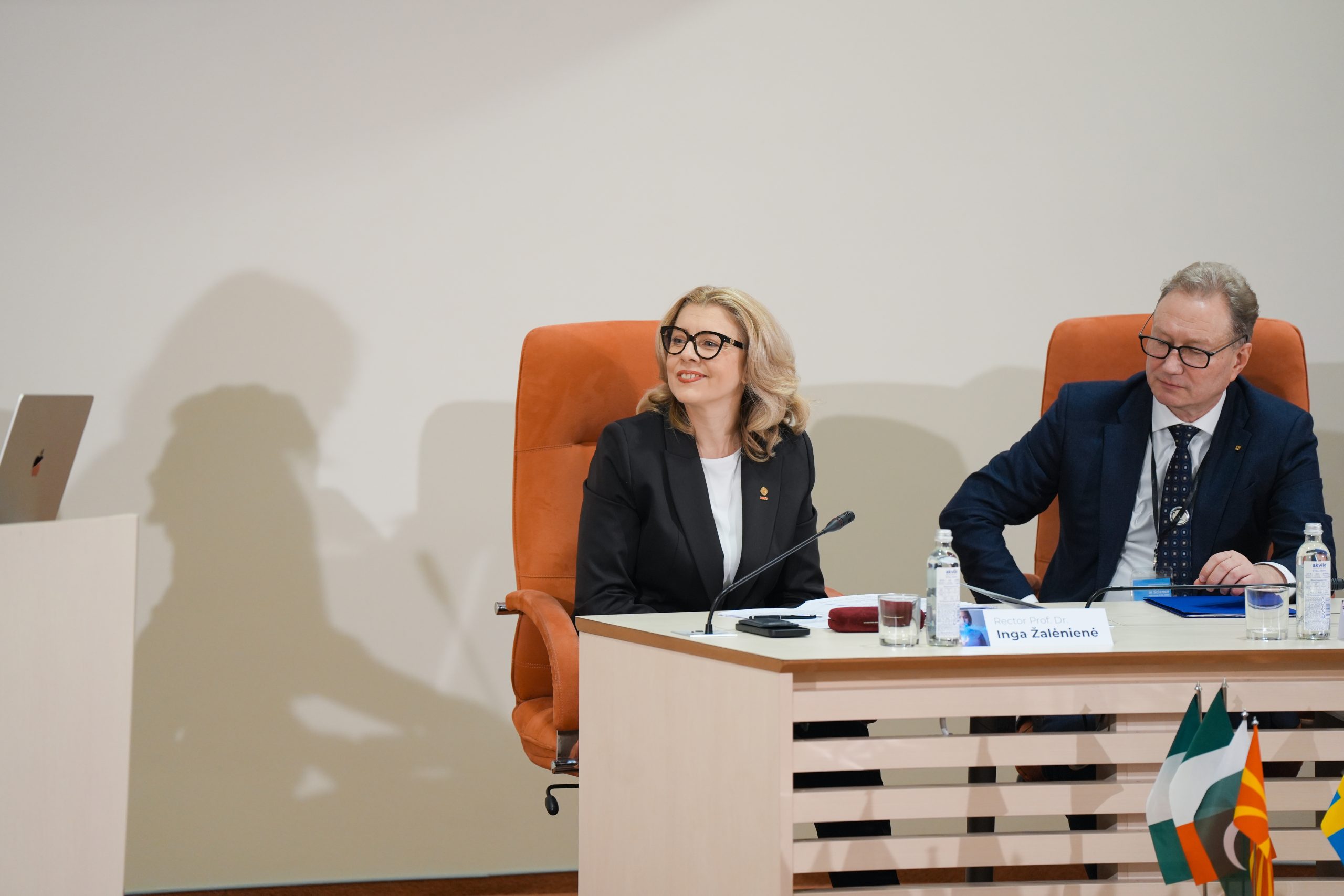
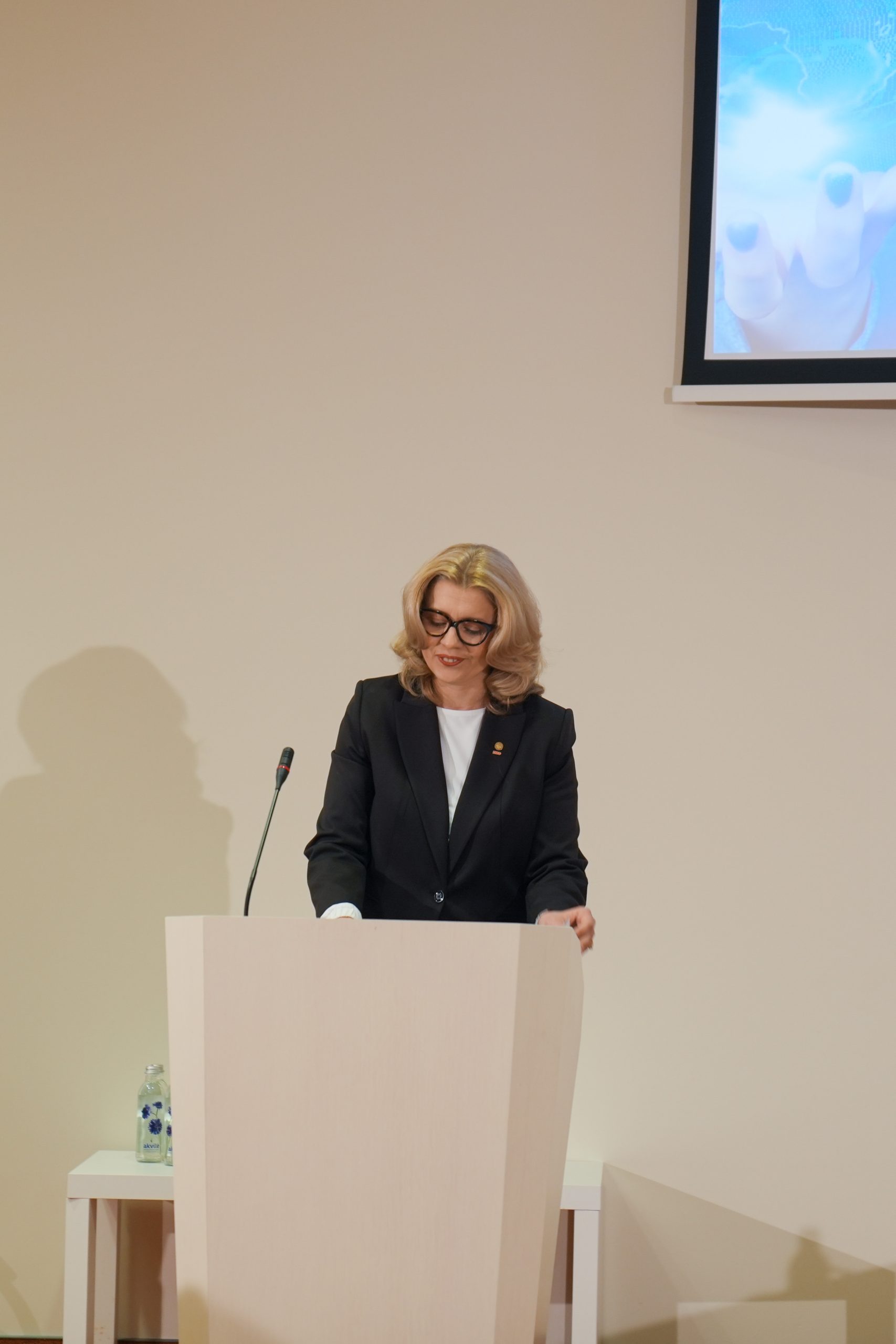
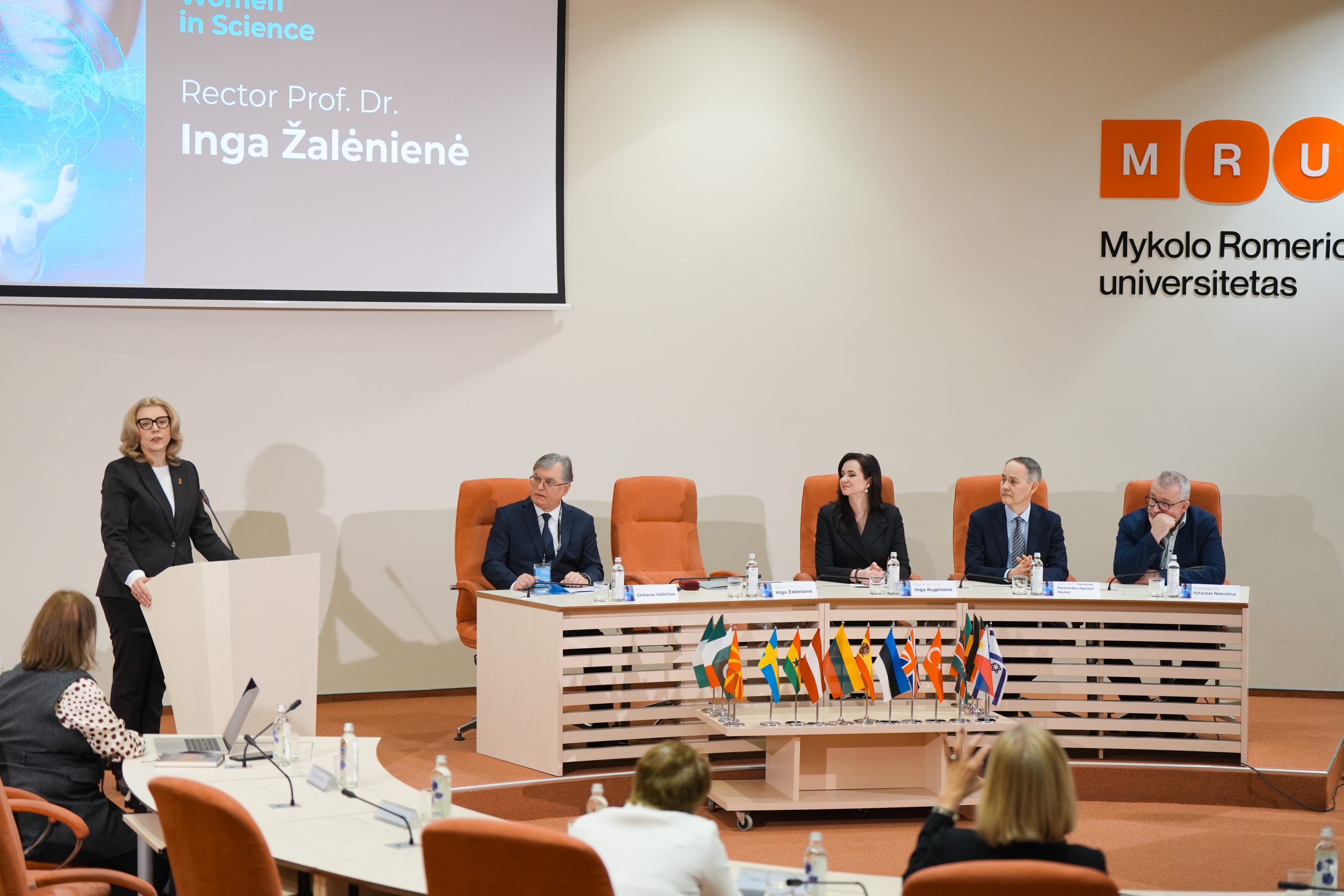
In her speech, MRU Rector, President of the Lithuanian University Rectors’ Conference (liet. L Lietuvos universitetų rektorių konferencija (LURK)), and representative of the International Association of Universities (IAU), Prof. Dr. Inga Žalėnienė emphasized the responsibility of the academic community.
“This day is an opportunity not only to celebrate the achievements of women scientists but also to engage in meaningful dialogue about the role of women in science and the strengthening of their empowerment. It is important not only to analyze women’s situation academically but also to eliminate any discriminatory attitudes within the academic community itself”, – said the MRU Rector.
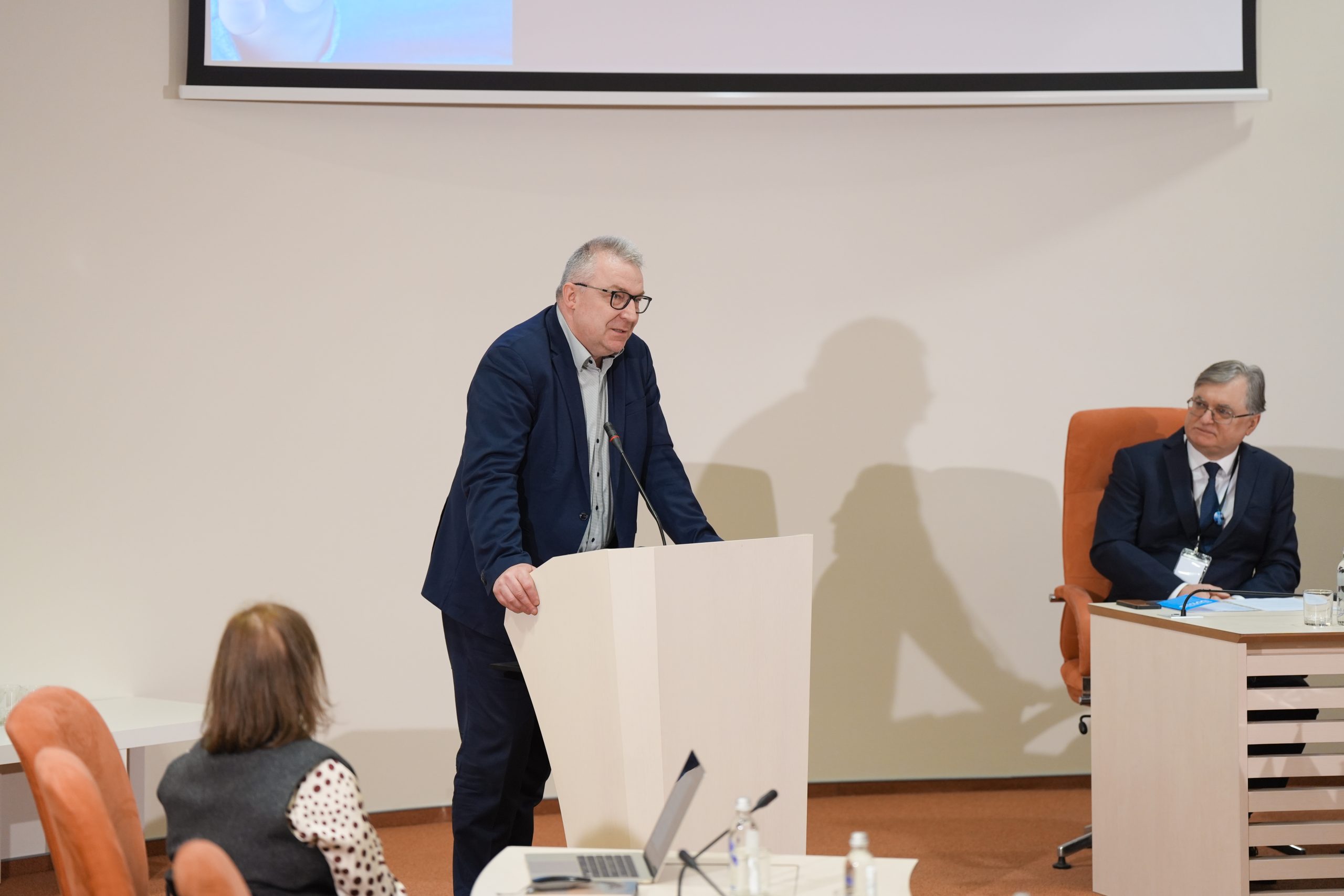
“Over the past decade, the situation in science has changed significantly – today, women hold the highest political and academic positions. Nevertheless, challenges remain in competition and evaluation processes, and these must be addressed consistently and responsibly”, – observed President of the Lithuanian Academy of Sciences (liet. Lietuvos mokslų akademija (LMA)), Prof. Habil. Dr. Vytautas Nekrošius.
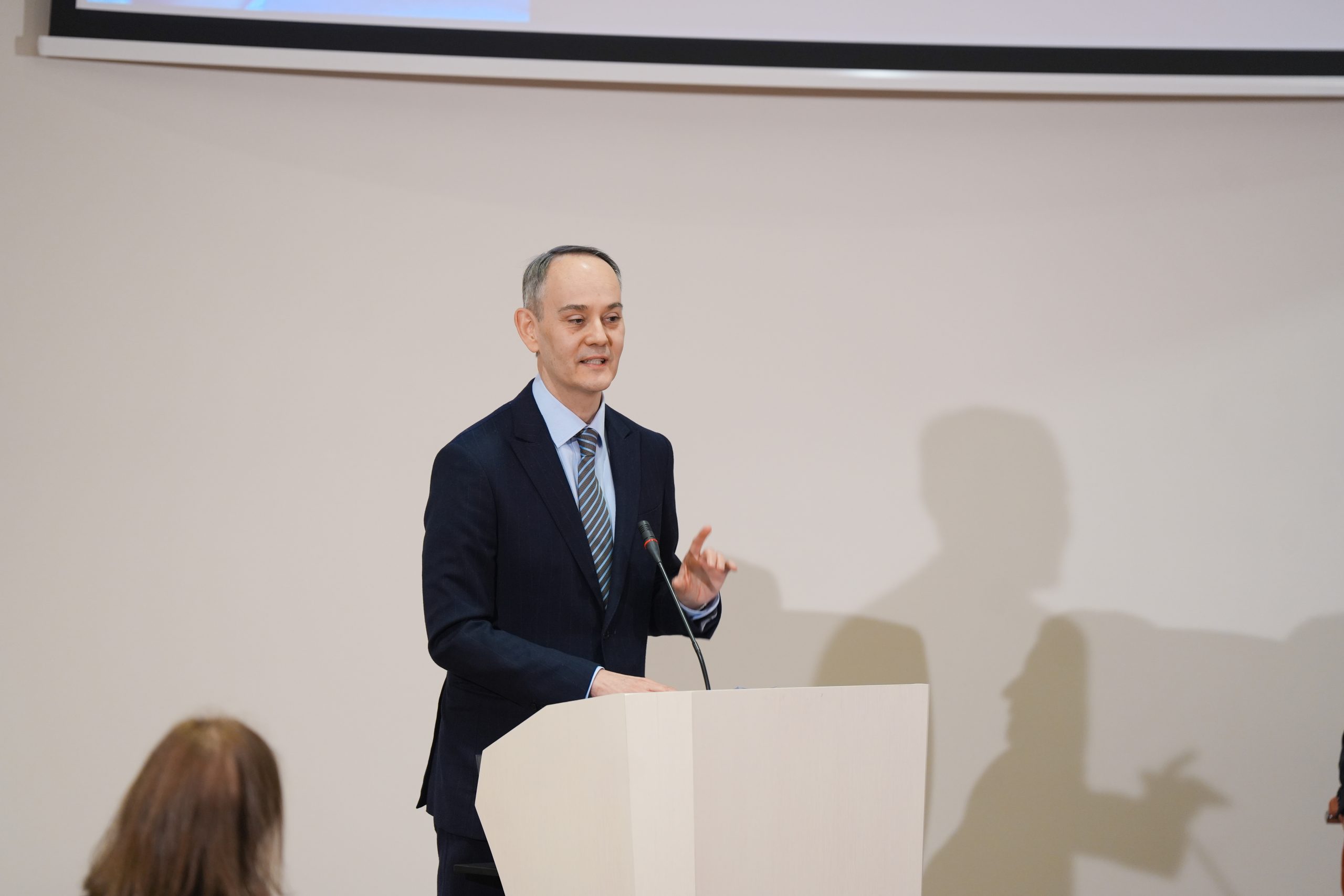
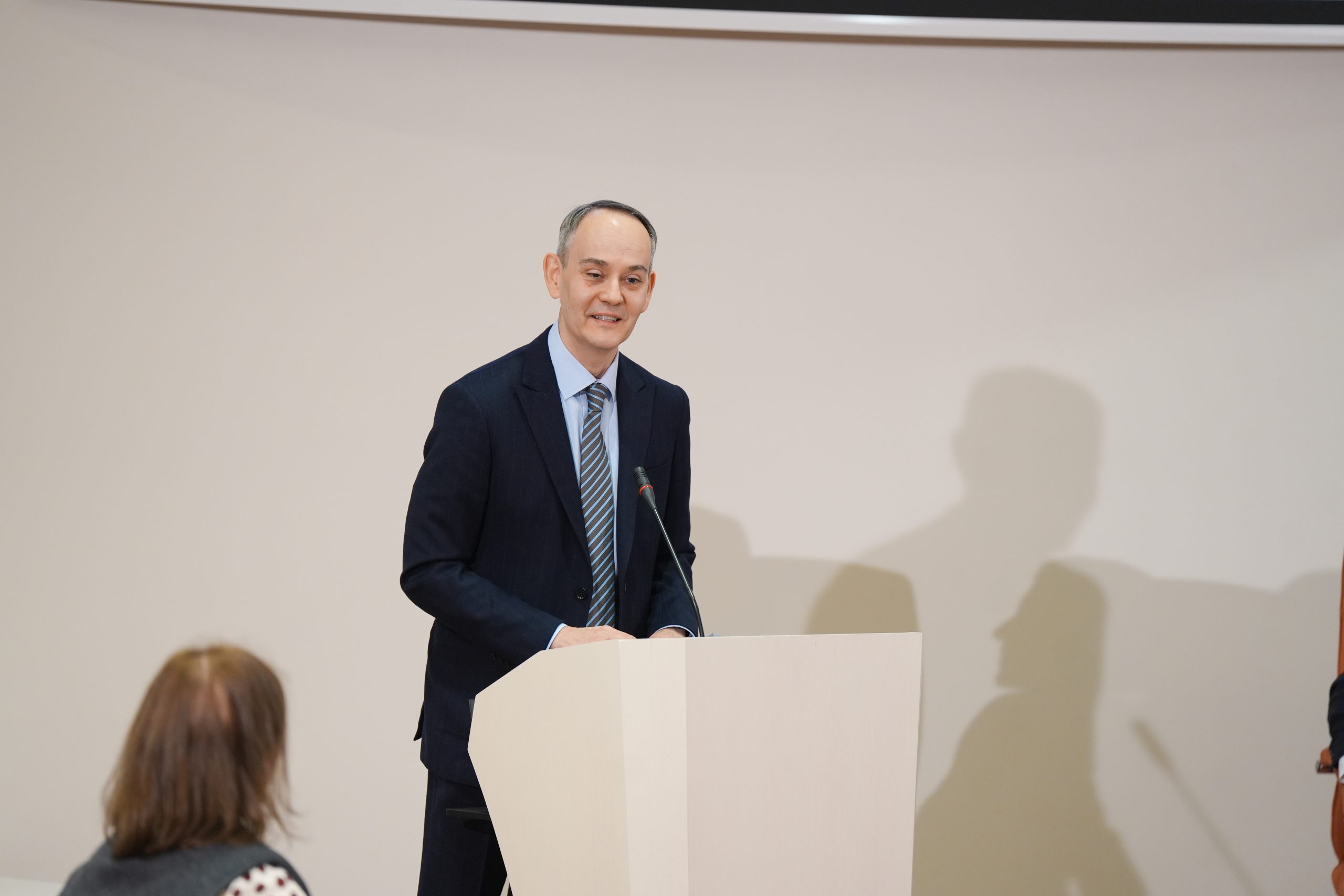
The Ambassador of Spain to Lithuania, Fernando Fernández-Aguayo Muñoz, who also welcomed the conference, highlighted gender equality as a fundamental value of a modern democratic society.
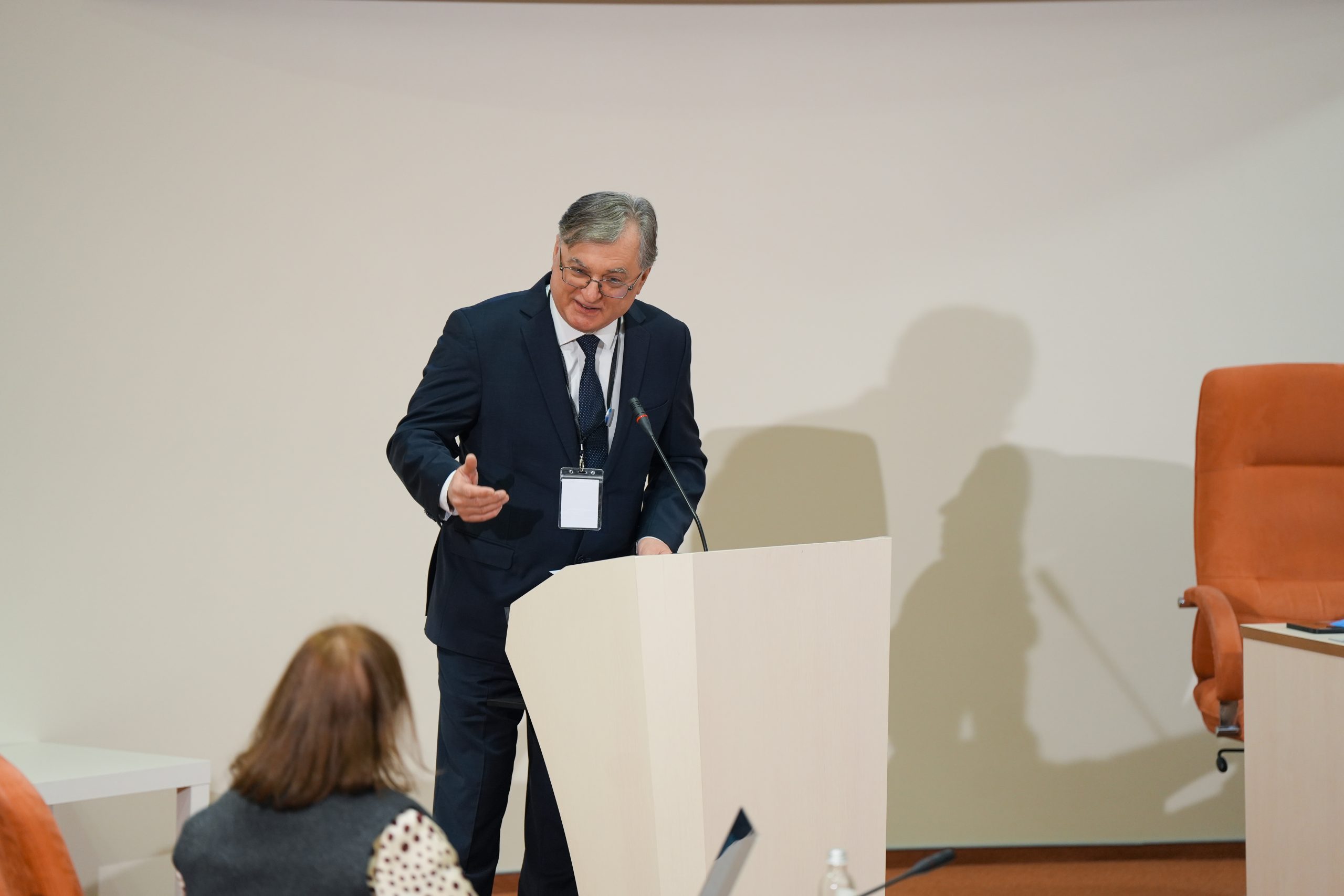
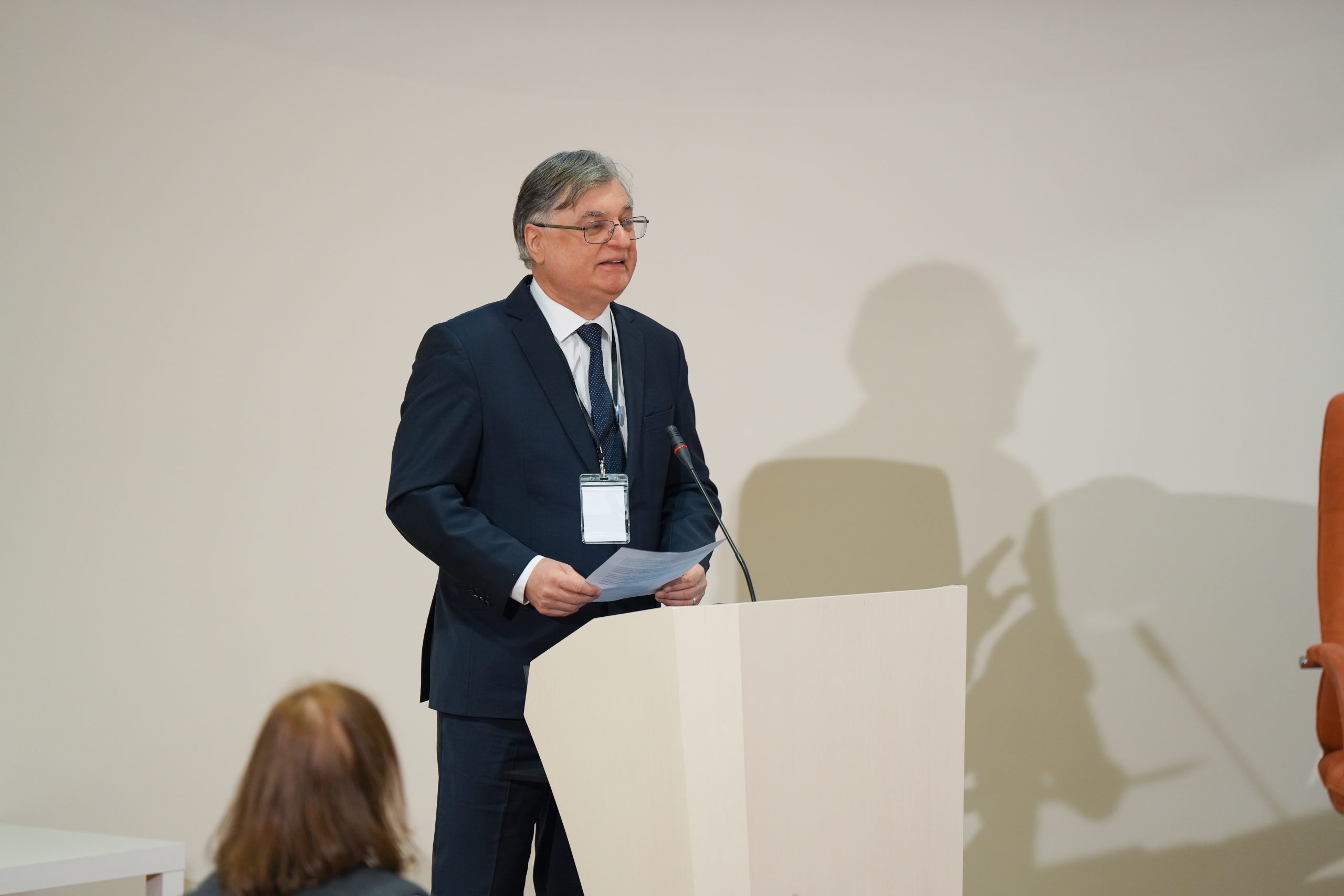
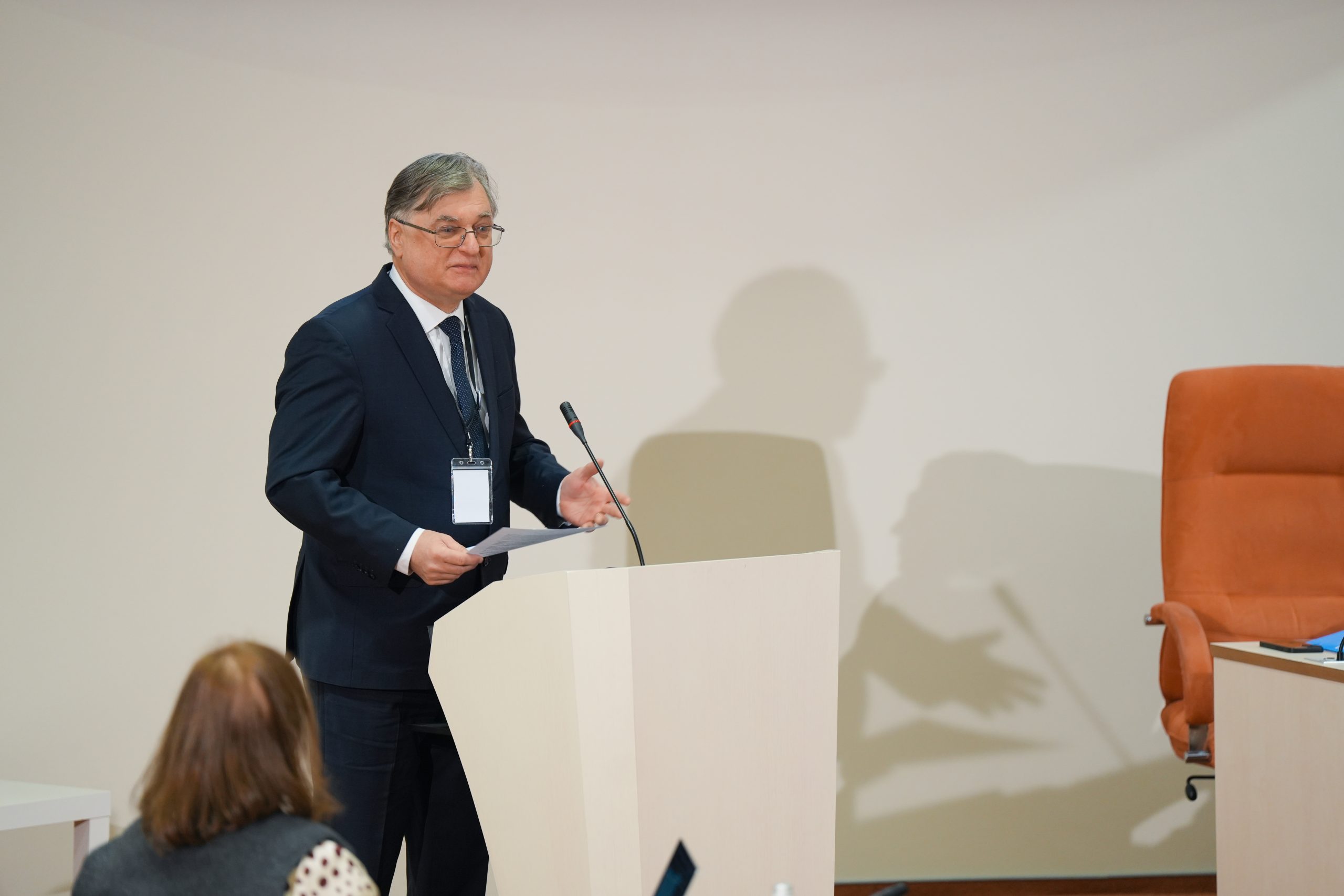
Chair of the Research Council of Lithuania (liet. Lietuvos mokslo tarybos (LMT)), Dr. Gintaras Valinčius, emphasized the importance of science policy and institutional decisions in ensuring equal opportunities in academic careers. He underlined the significance of evidence-based decision-making, transparent evaluation processes, and sustained institutional commitment.
Rectors’ Insights: Women in Academic Leadership
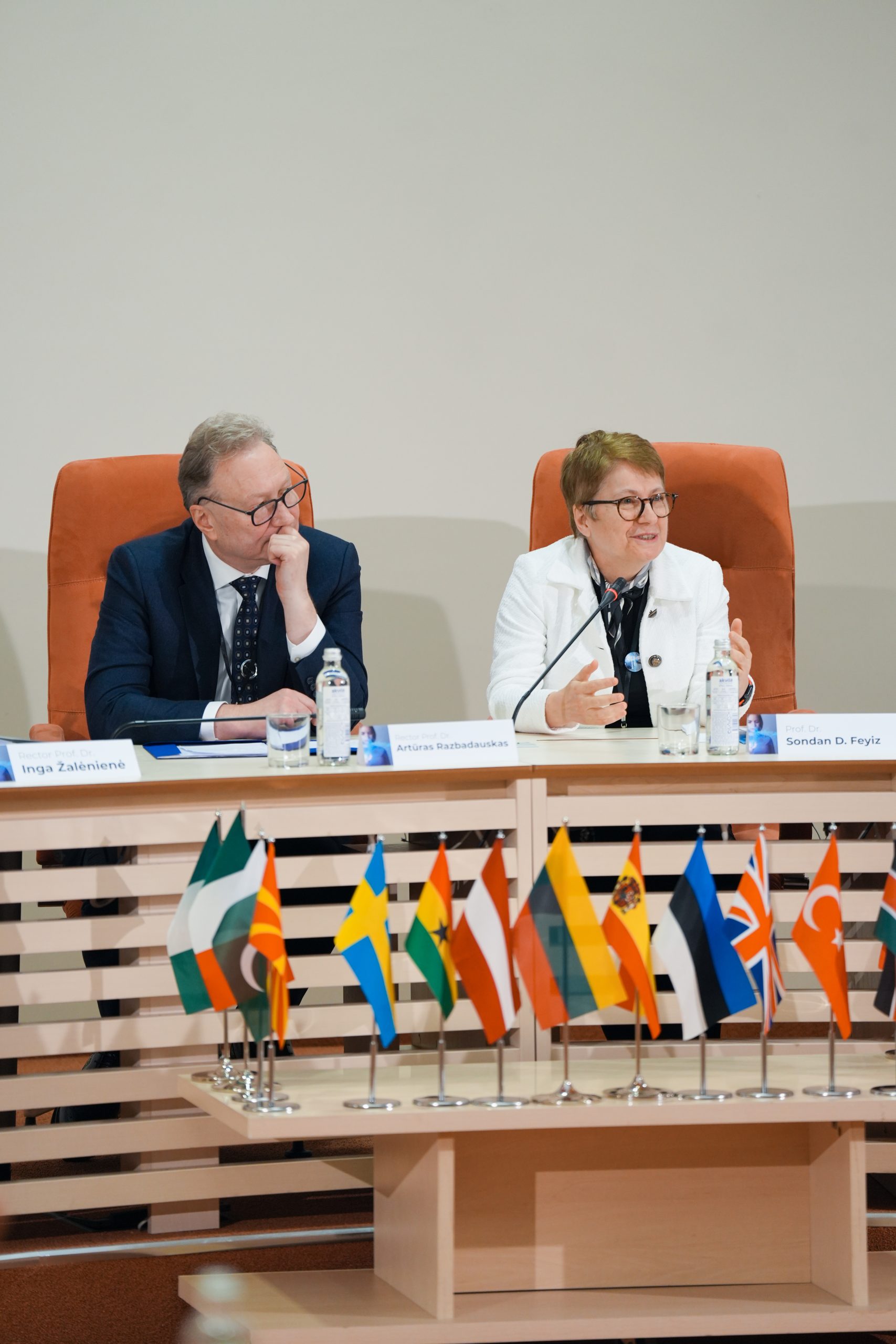
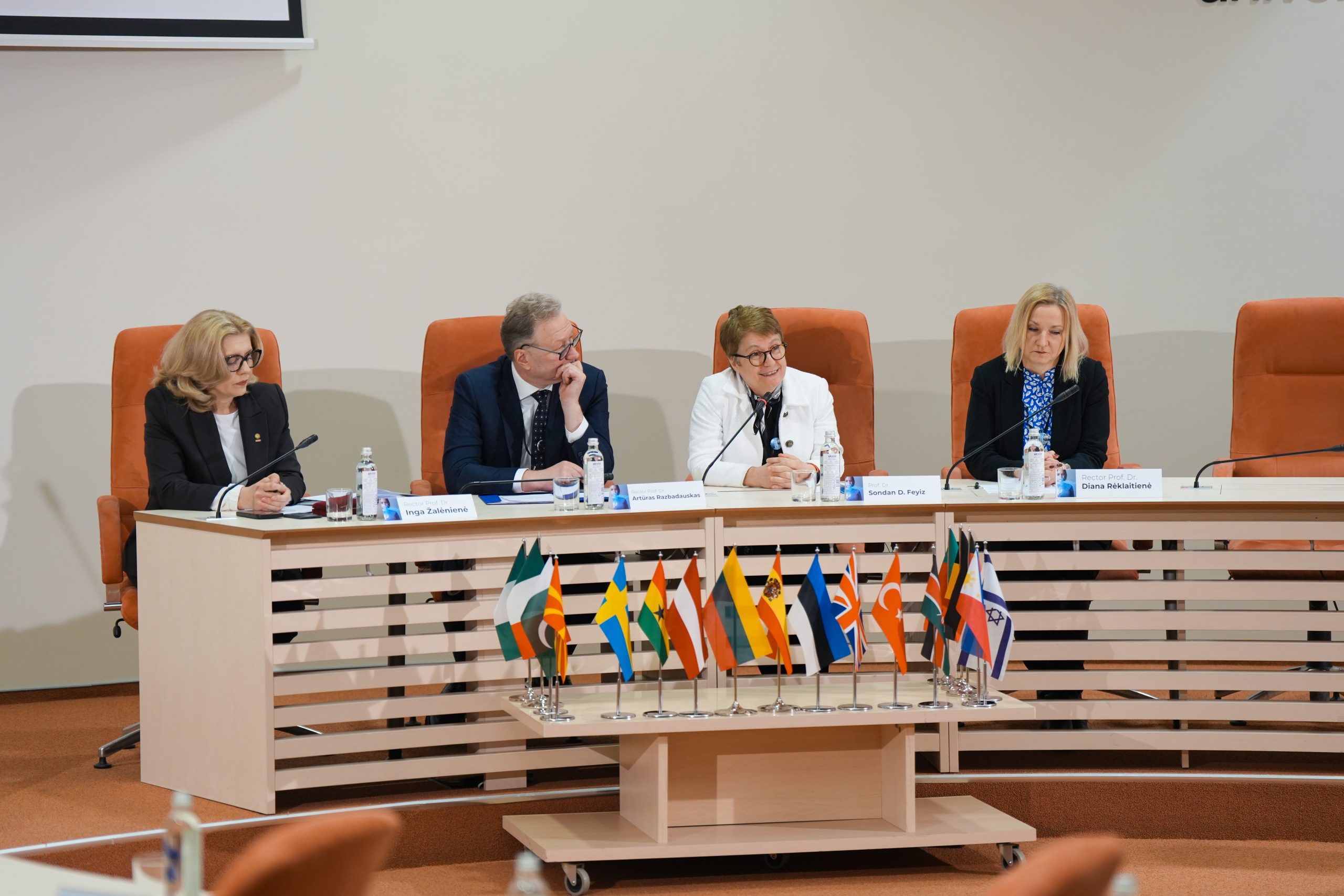
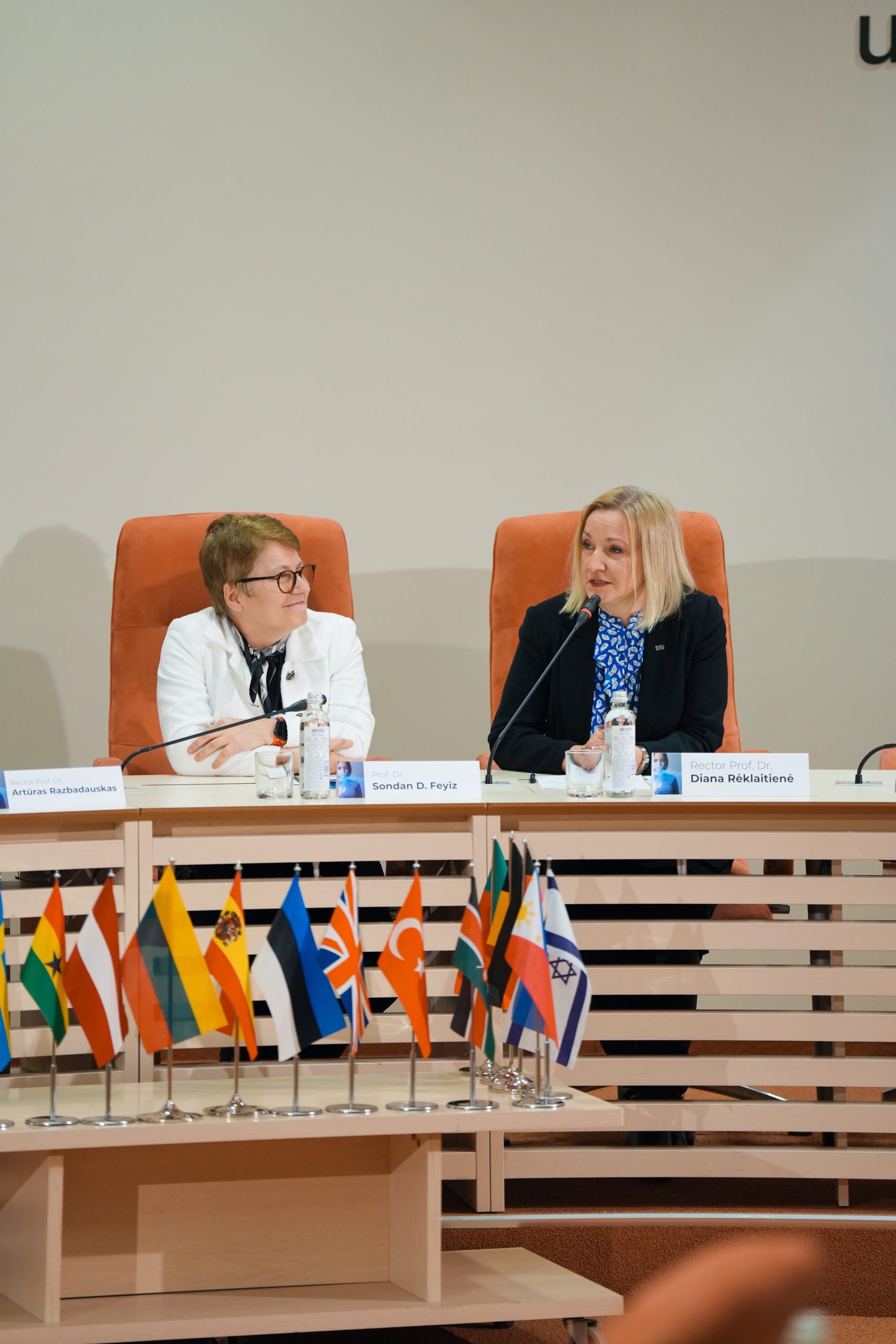
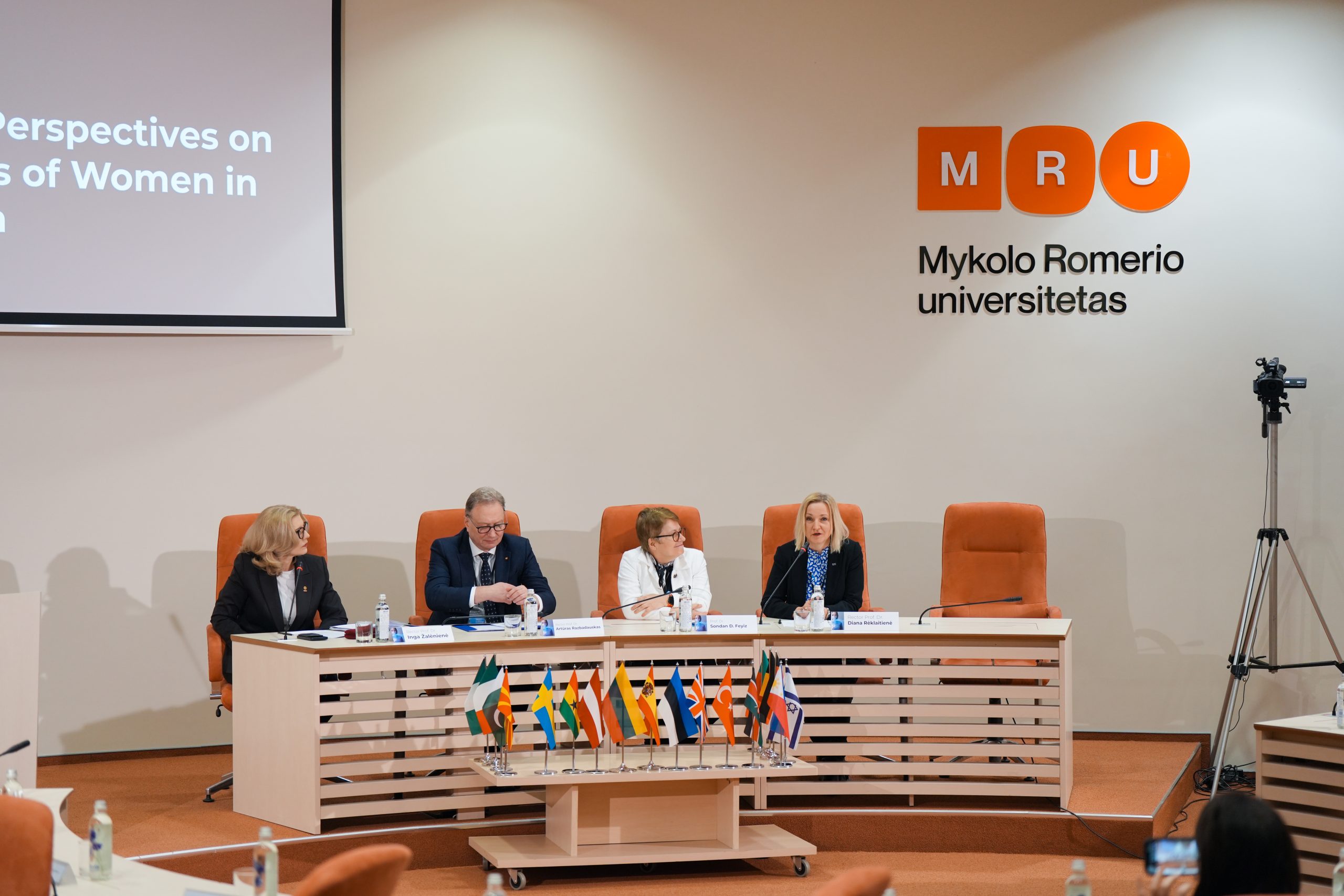
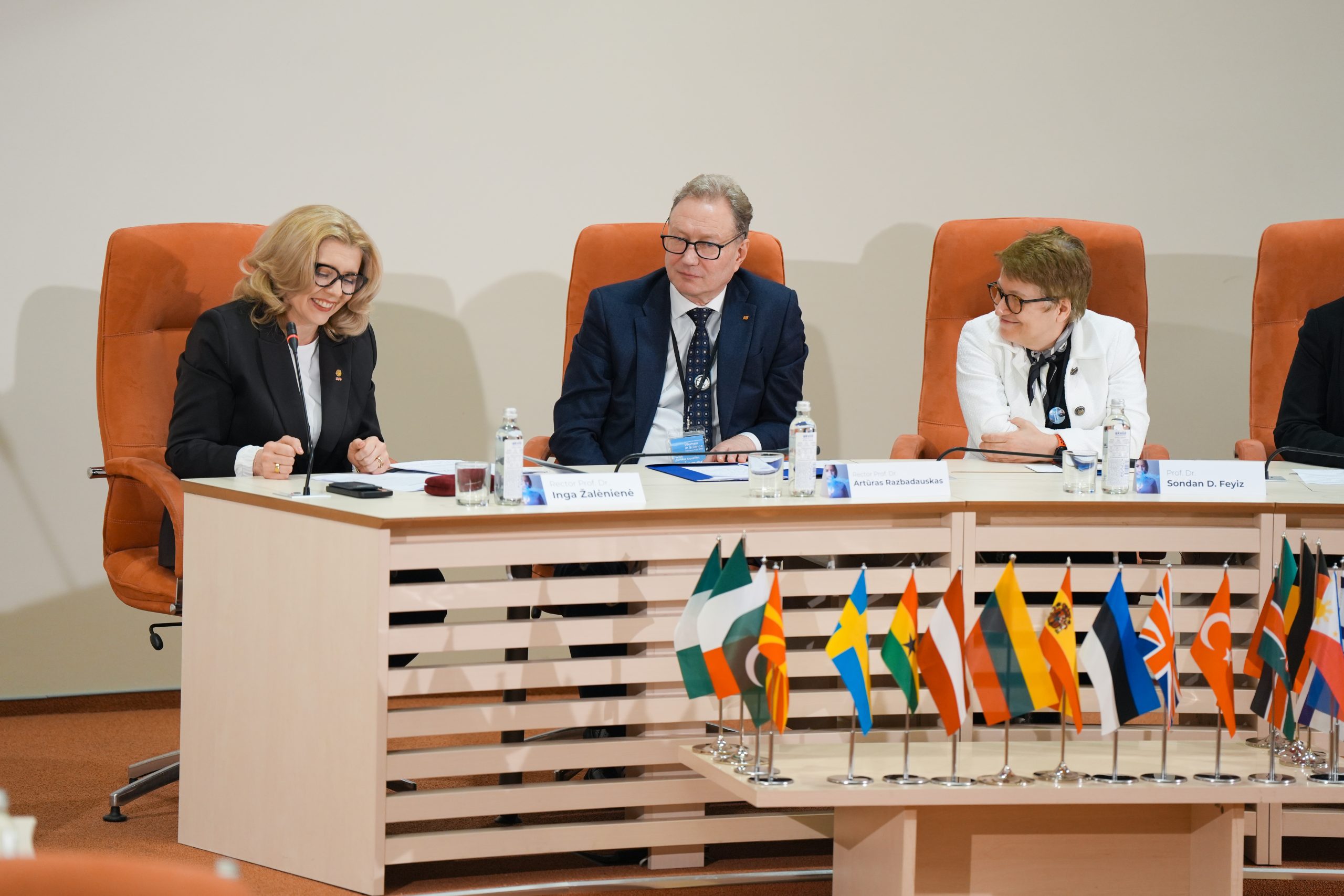
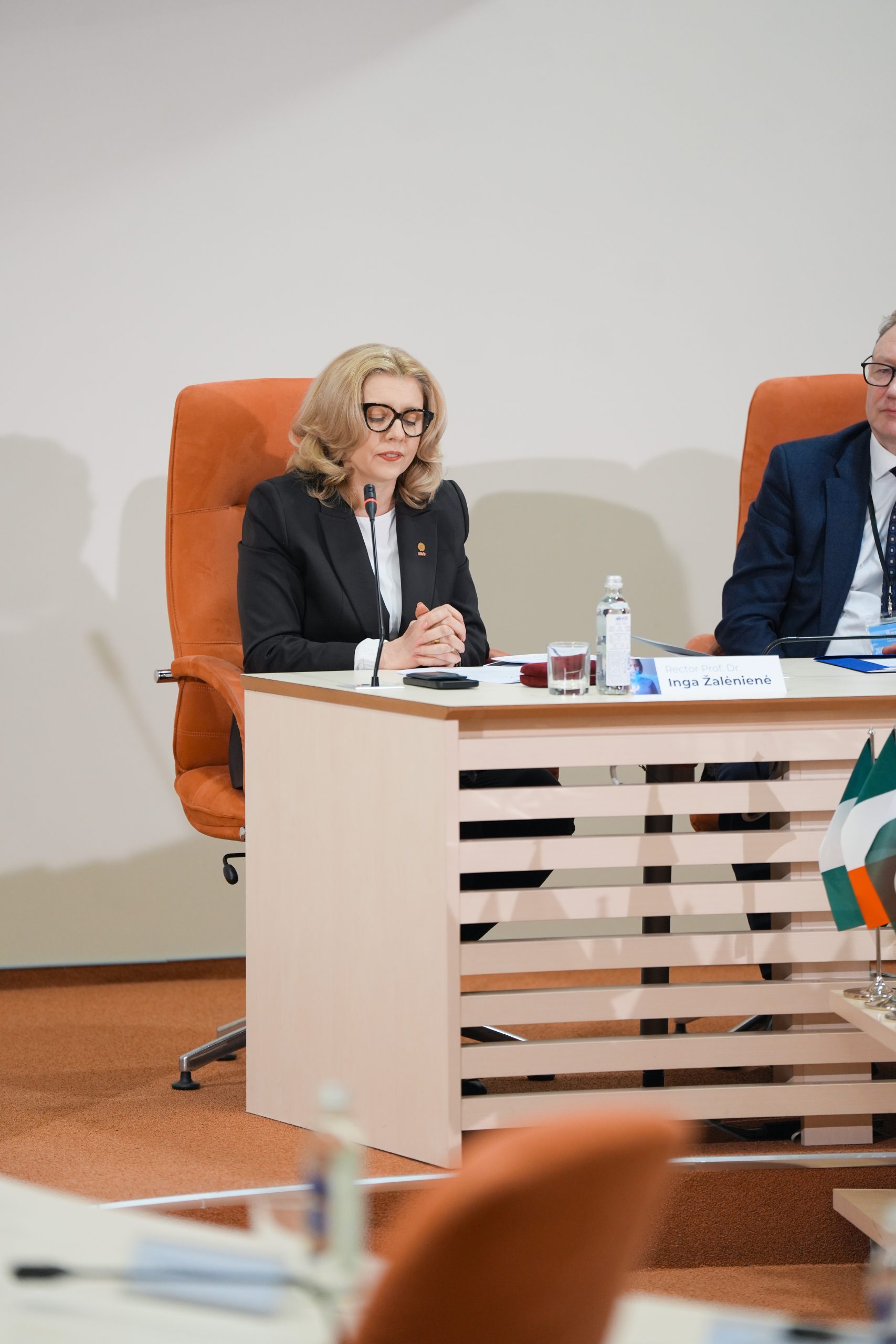
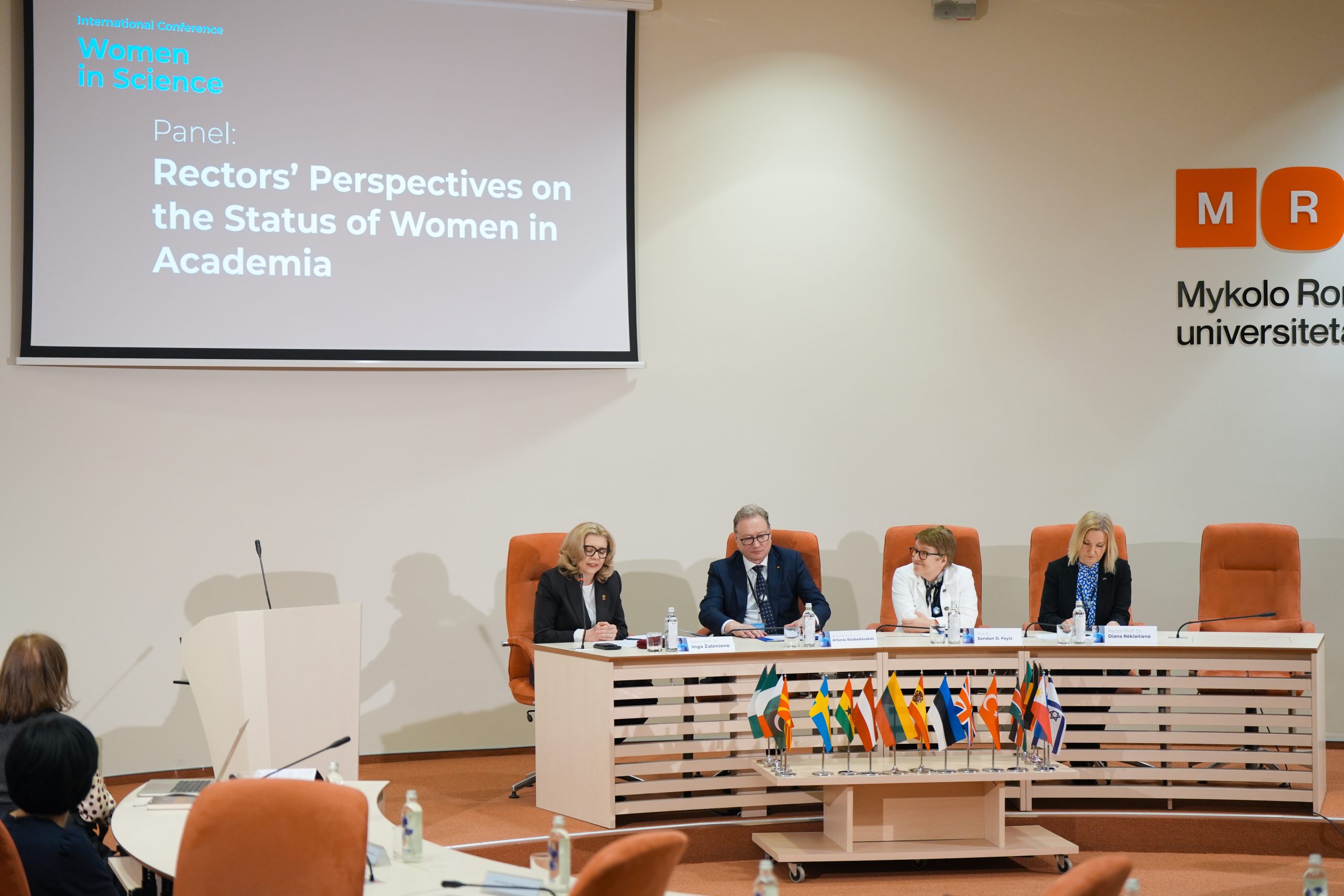
During the discussion “Rectors’ Perspectives on the Status of Women in Academia,” moderated by MRU Rector Prof. Dr. Inga Žalėnienė, participants addressed issues concerning the position of women in the academic community. University rectors shared their views on the gender equality situation in higher education and the role of institutions in creating an inclusive academic environment based on equal opportunities. They emphasized the importance of university leadership in ensuring appropriate conditions for women’s academic work, as well as the need to strengthen women’s visibility and participation in decision-making processes.
“Leadership first and foremost means service to the community – a commitment to empowering people, creating conditions for them to realize their potential, and ensuring they feel safe both professionally and socially”, – said Rector of the Lithuanian Sports University (liet. Lietuvos sporto universitetas (LSU)), Prof. Dr. Diana Rėklaitienė.
“Academic leadership today is complex – it requires not only strategic management but also the ability to build an inclusive culture and address structural barriers that keep the proportion of women in the highest academic positions lower”, – stated Rector of Klaipėda University (liet. Klaipėdos universitetas (KU)), Prof. Dr. Artūras Razbadauskas.
“The numbers speak for themselves – as academic careers progress, the number of women decreases. This is not merely a structural issue; it is a cultural one, related to family roles and societal expectations”, – said Vice President of the European Women Rectors Association (EWORA), Prof. Dr. Sondan Durukanoğlu Feyiz.
Lithuanian and International Perspectives
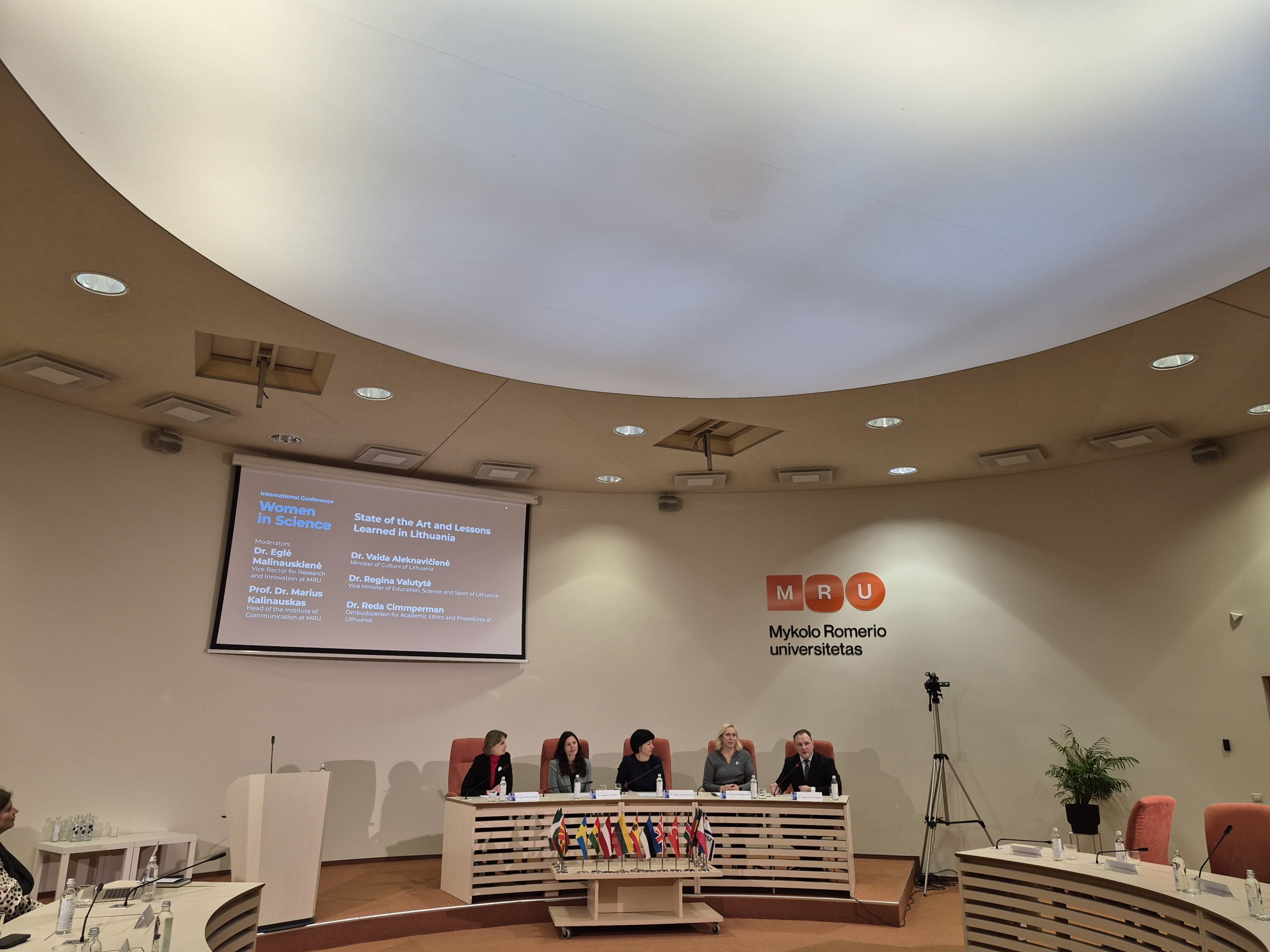
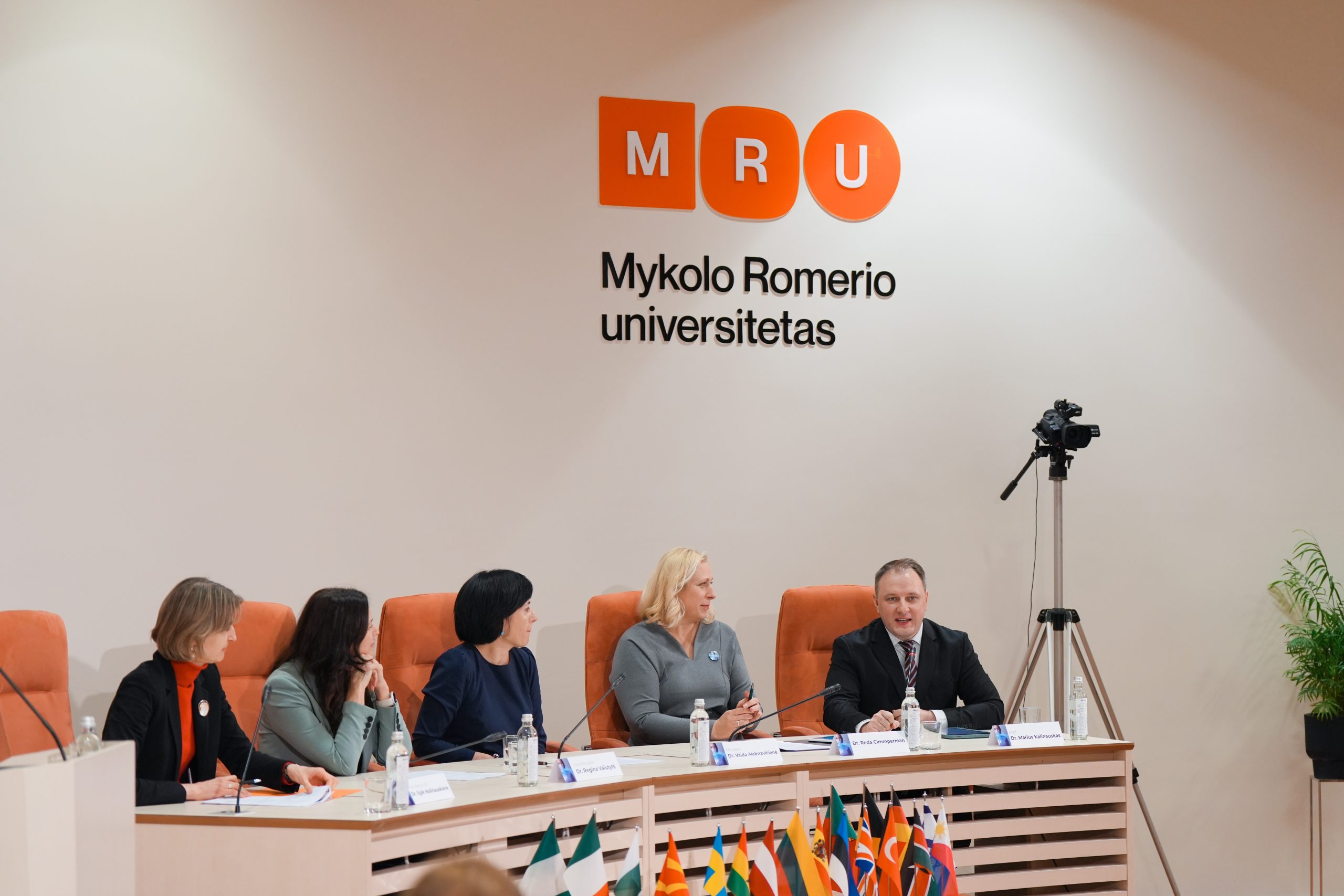
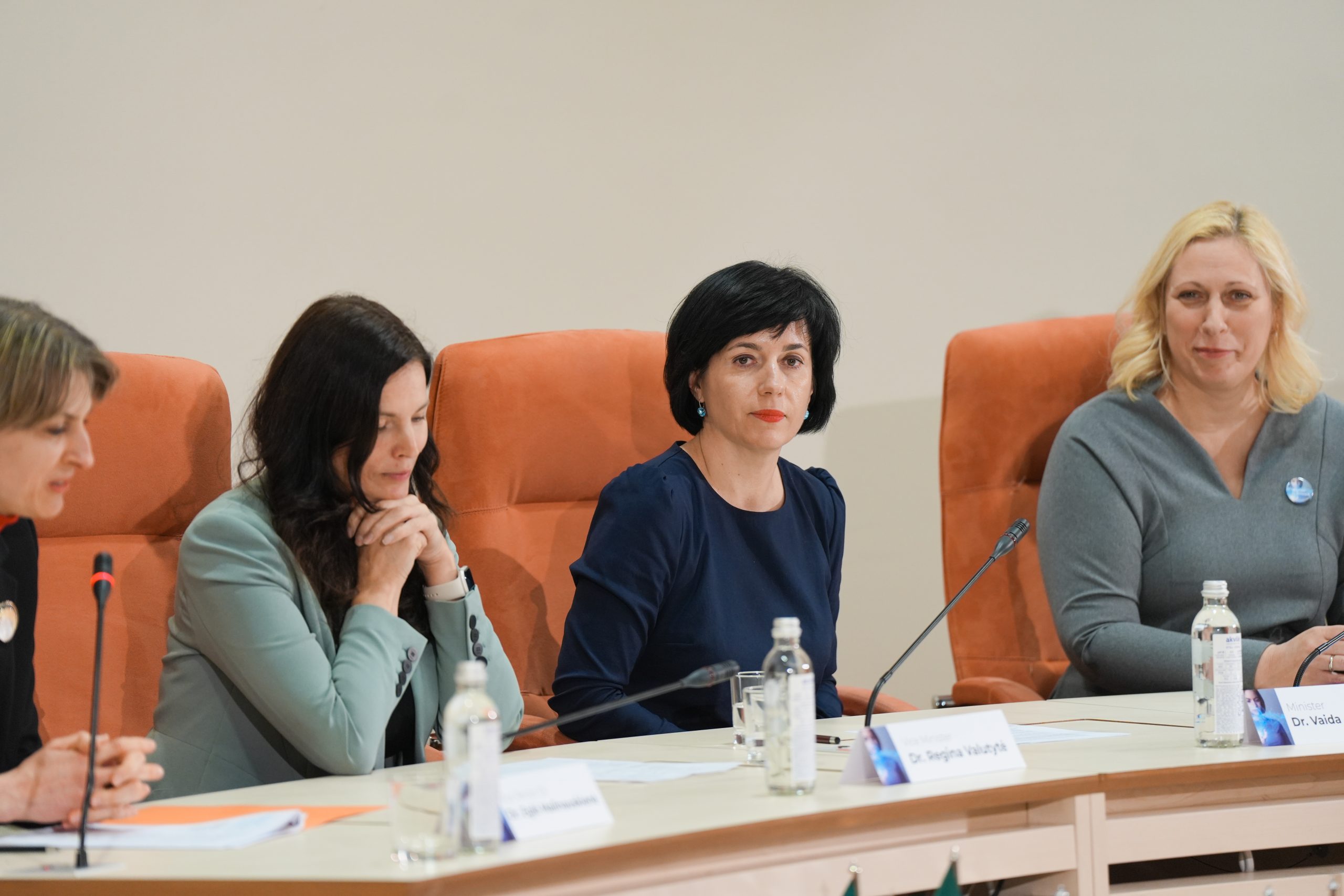
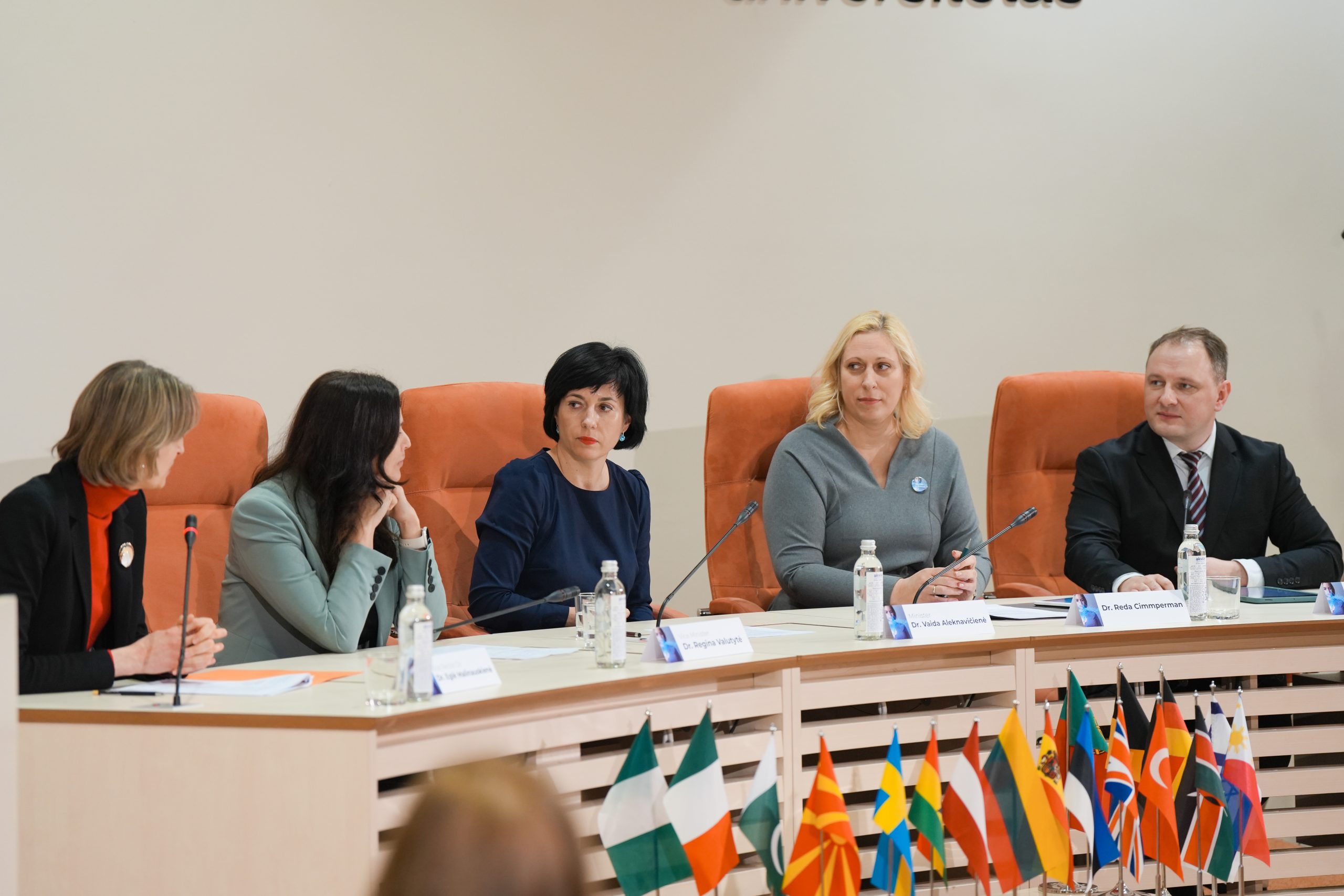
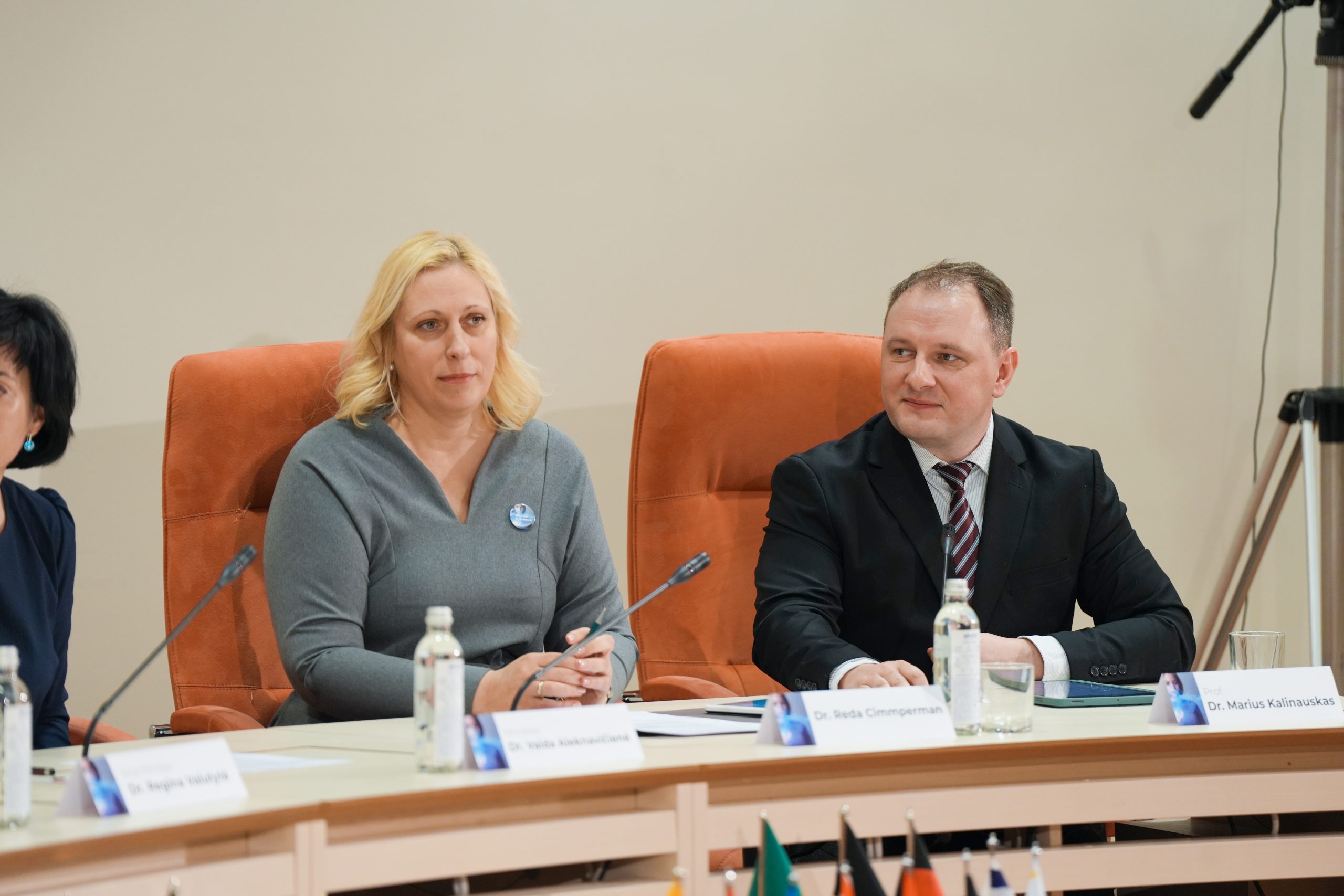
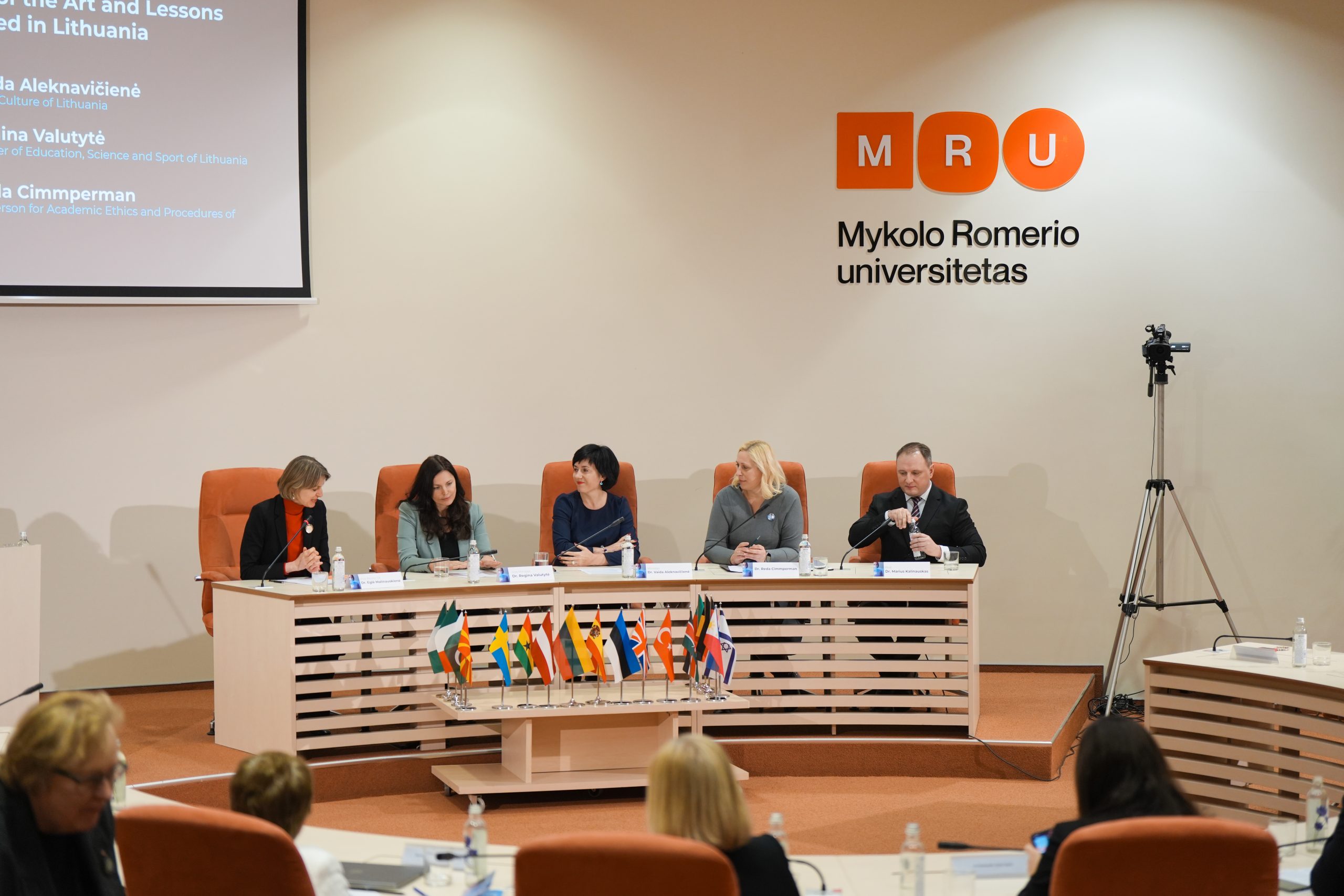
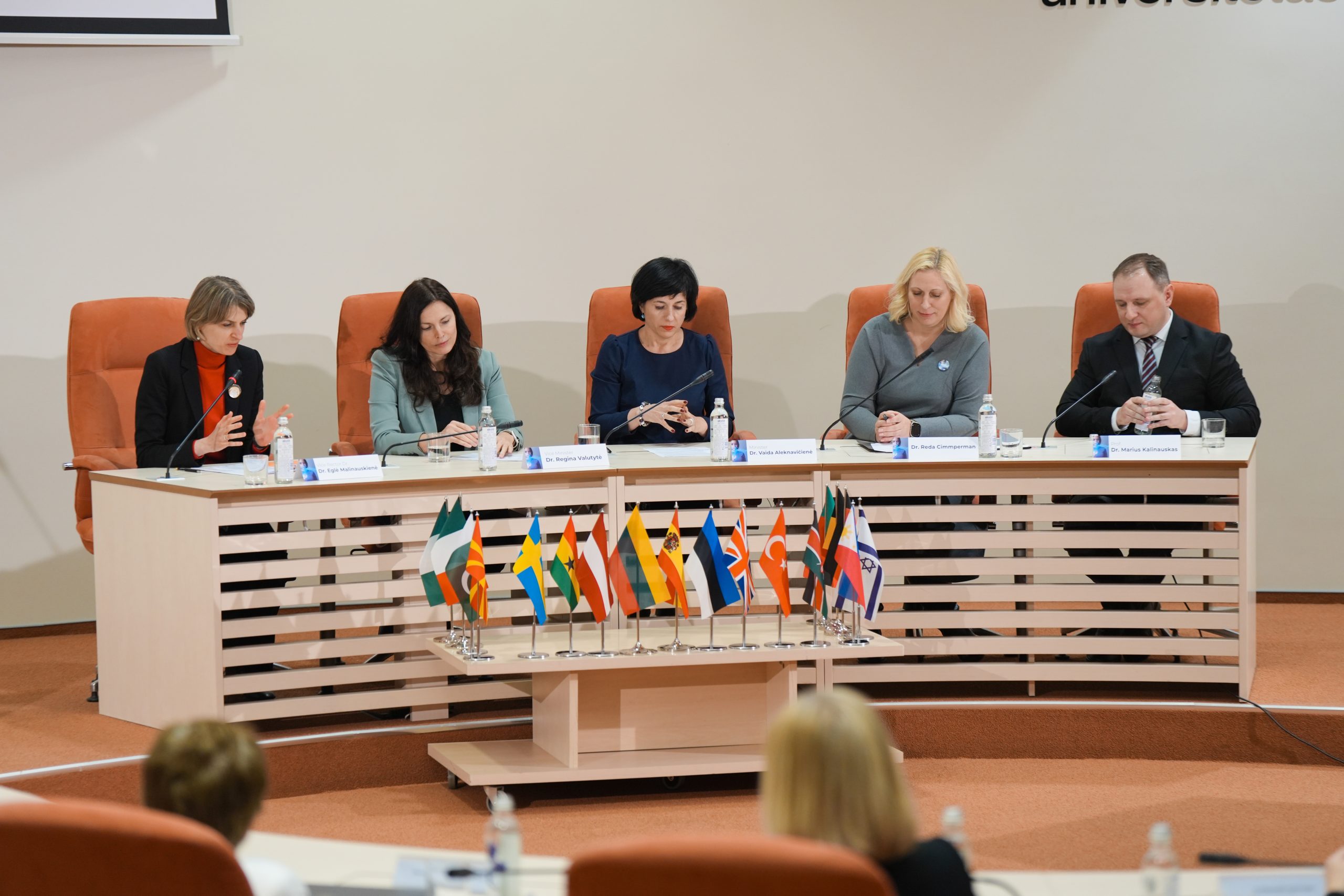
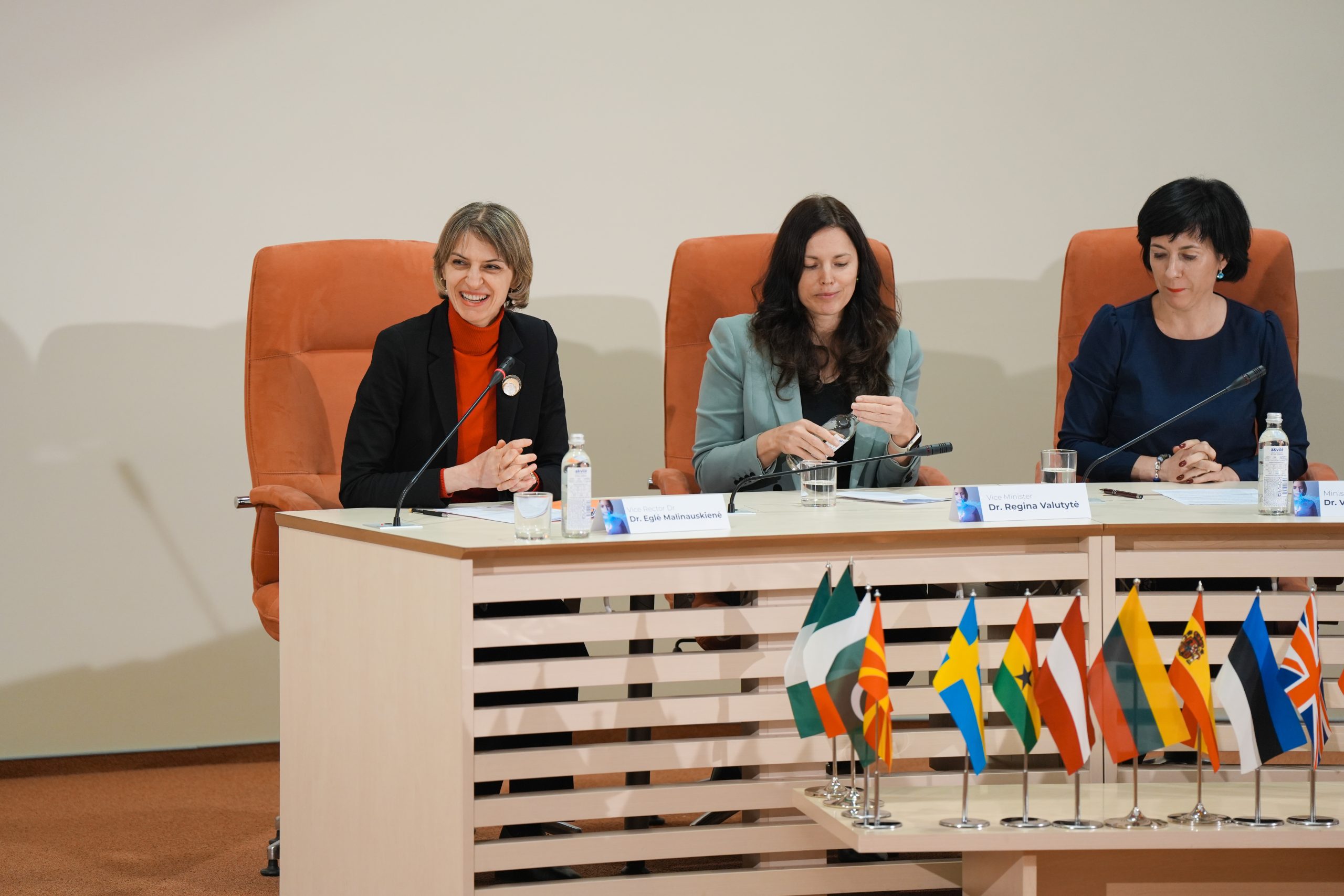
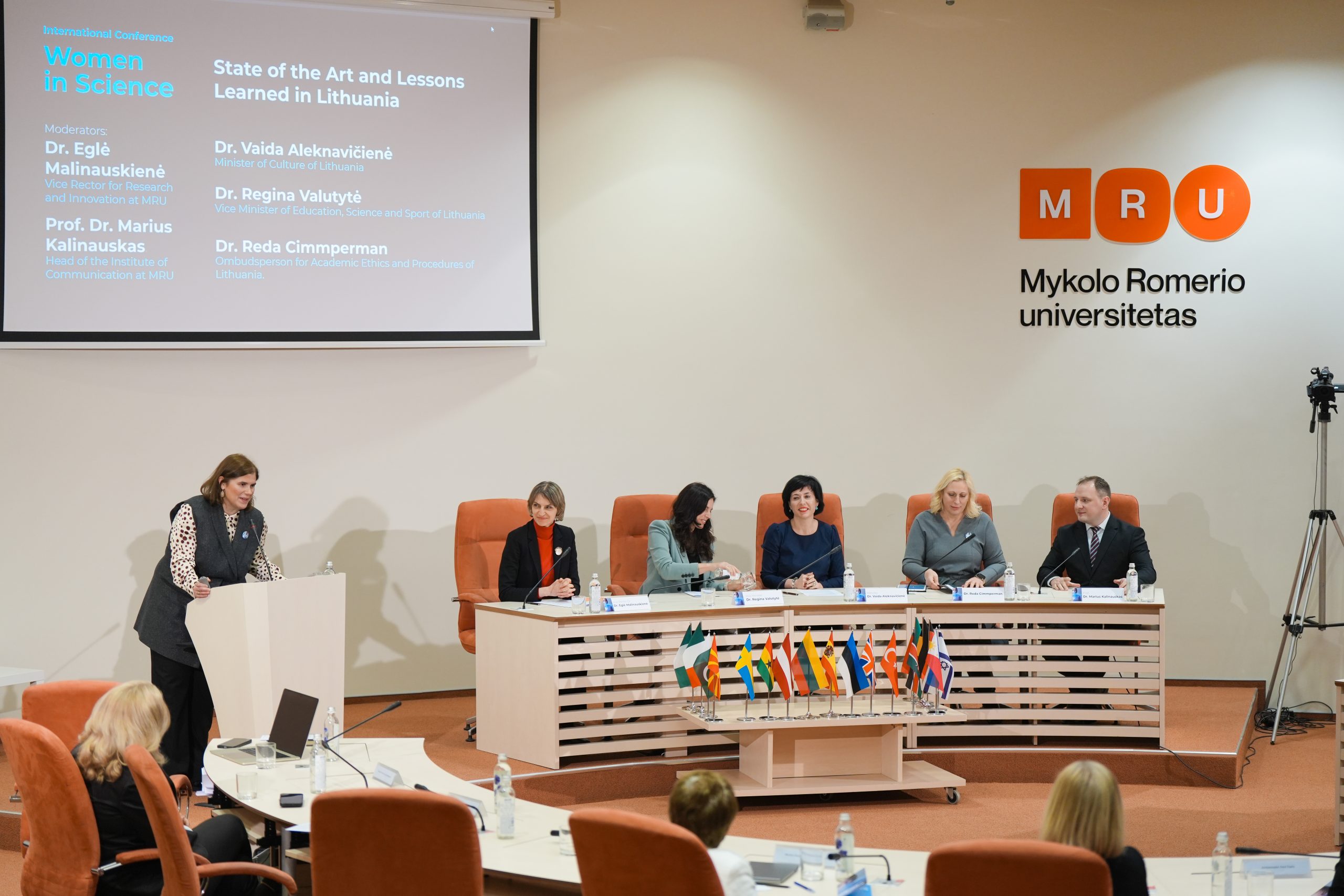
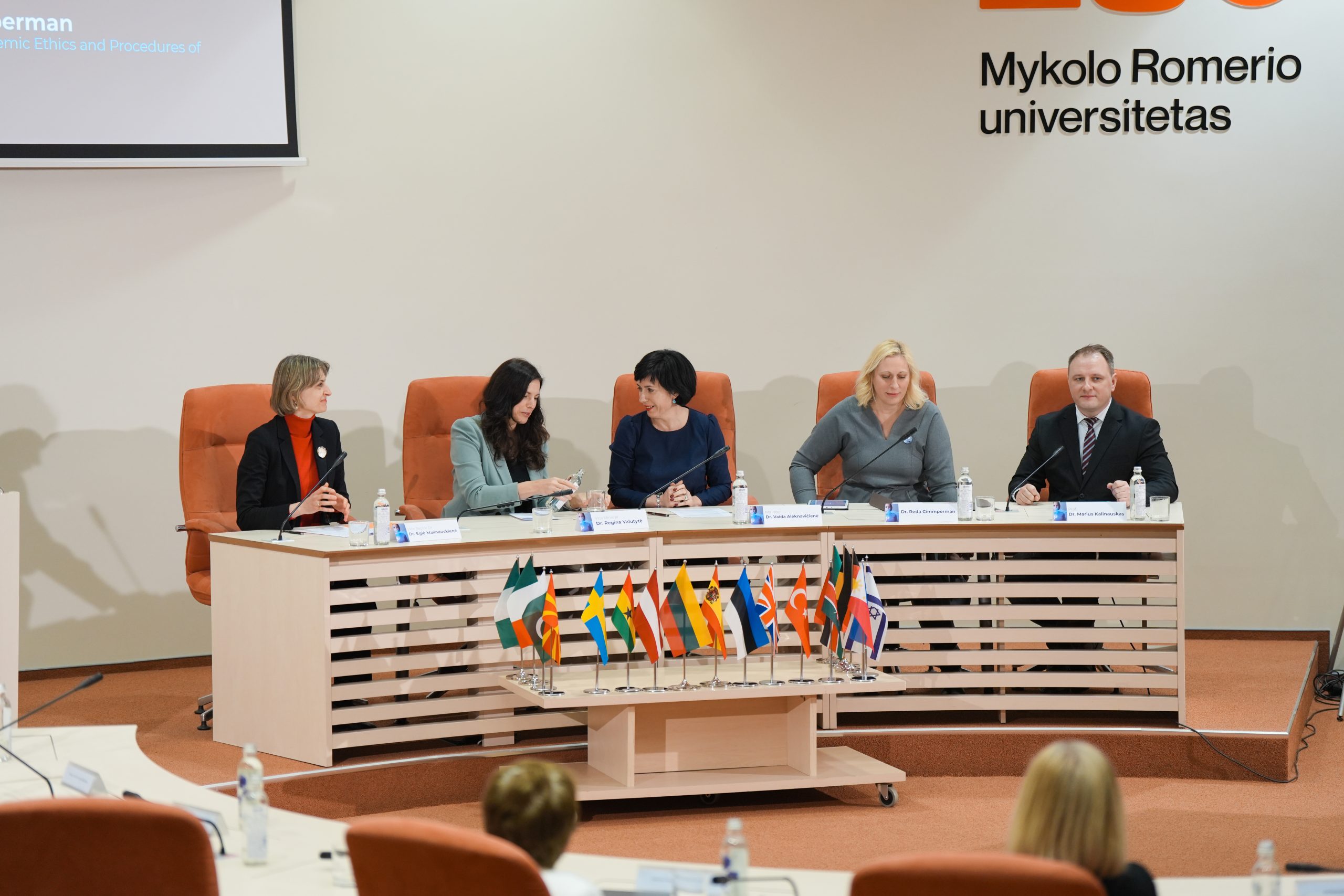
Minister of Culture of the Republic of Lithuania, Dr. Vaida Aleknavičienė; Vice-Minister of Education, Science and Sport, Dr. Regina Valutytė; Ombudsperson for Academic Ethics and Procedures, Dr. Reda Cimmperman; and MRU Vice-Rector for Research and Innovation, Dr. Eglė Malinauskienė discussed gender equality policies in science, the role of women in research communities, and institutional measures aimed at ensuring equal opportunities in research and innovation.
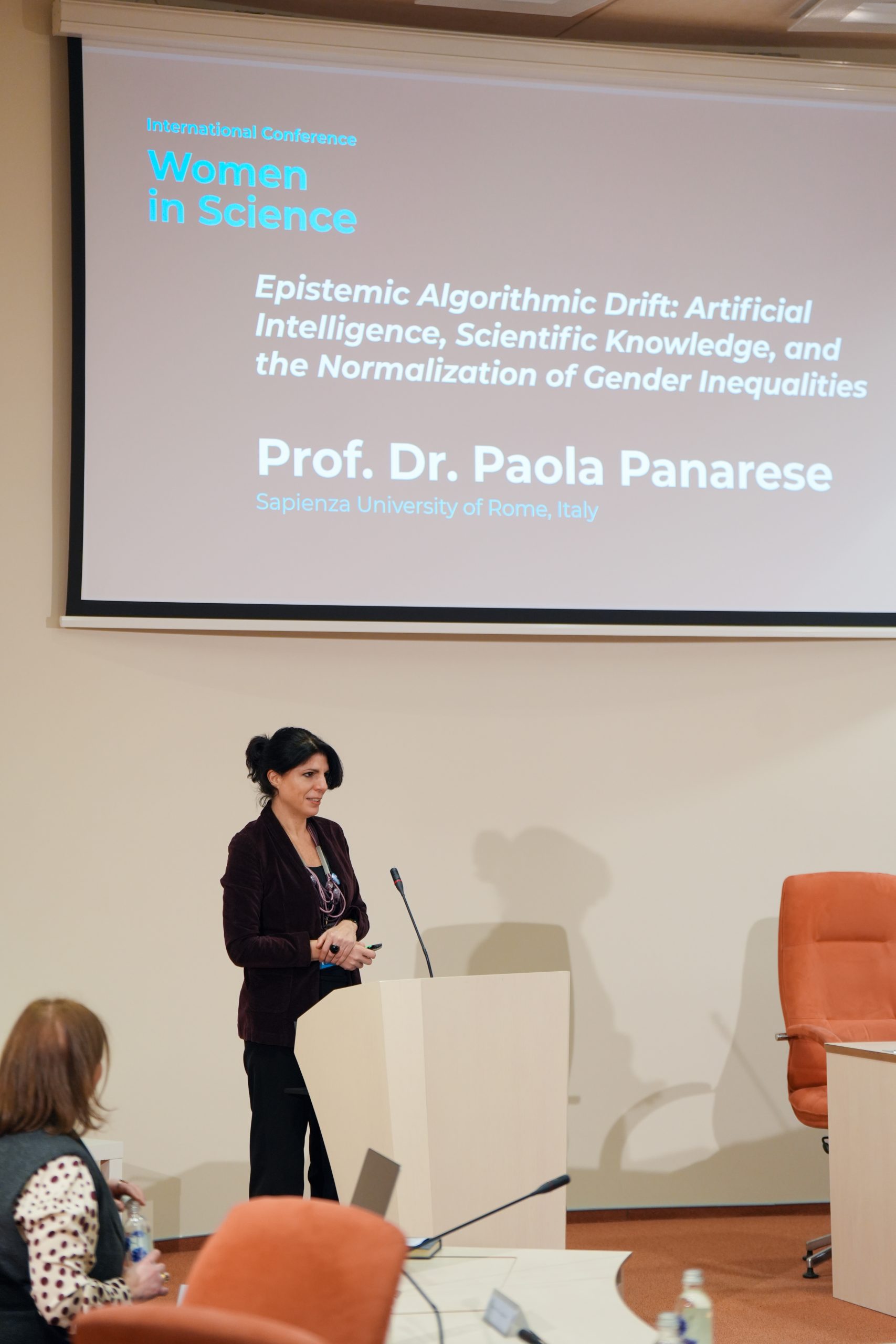
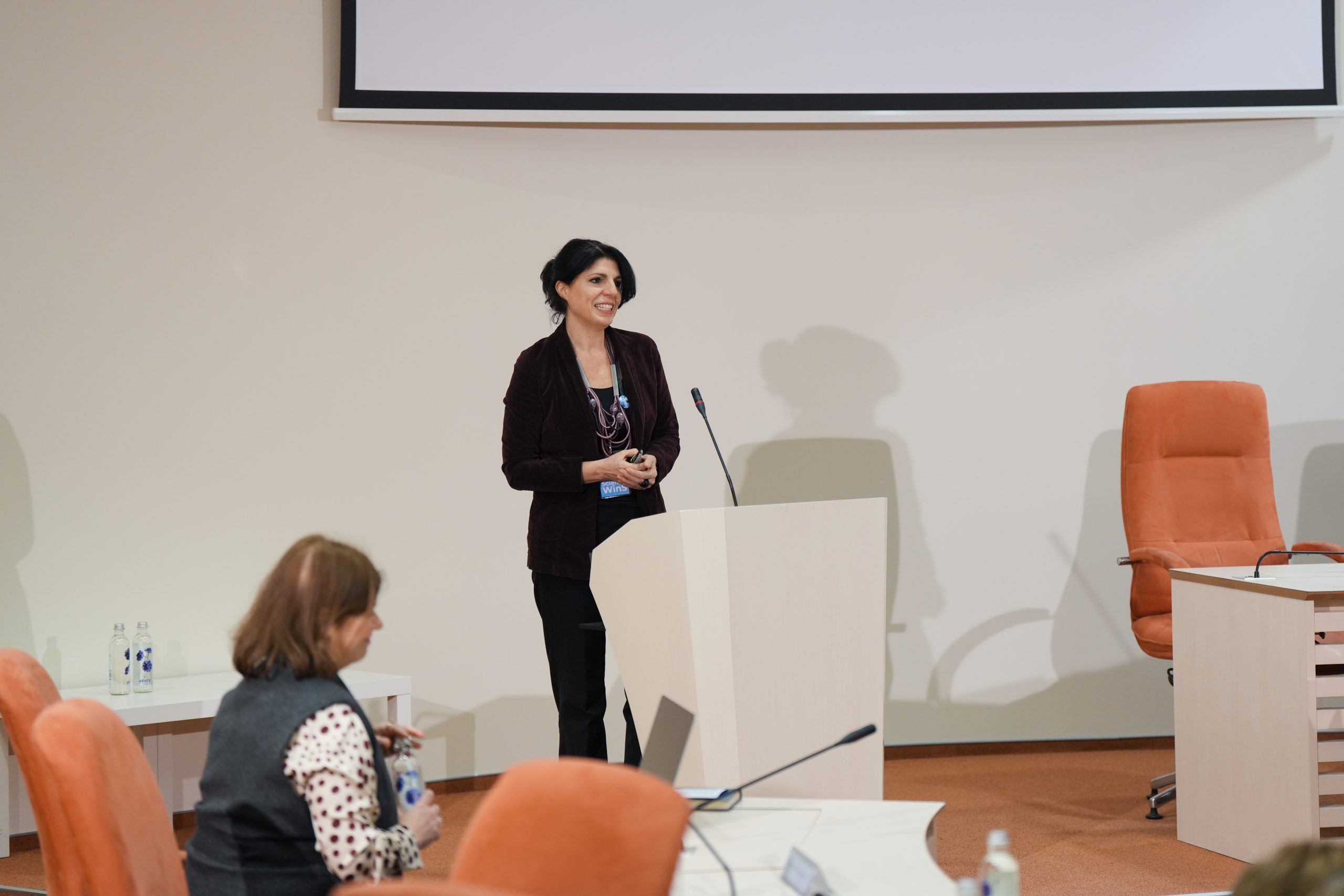
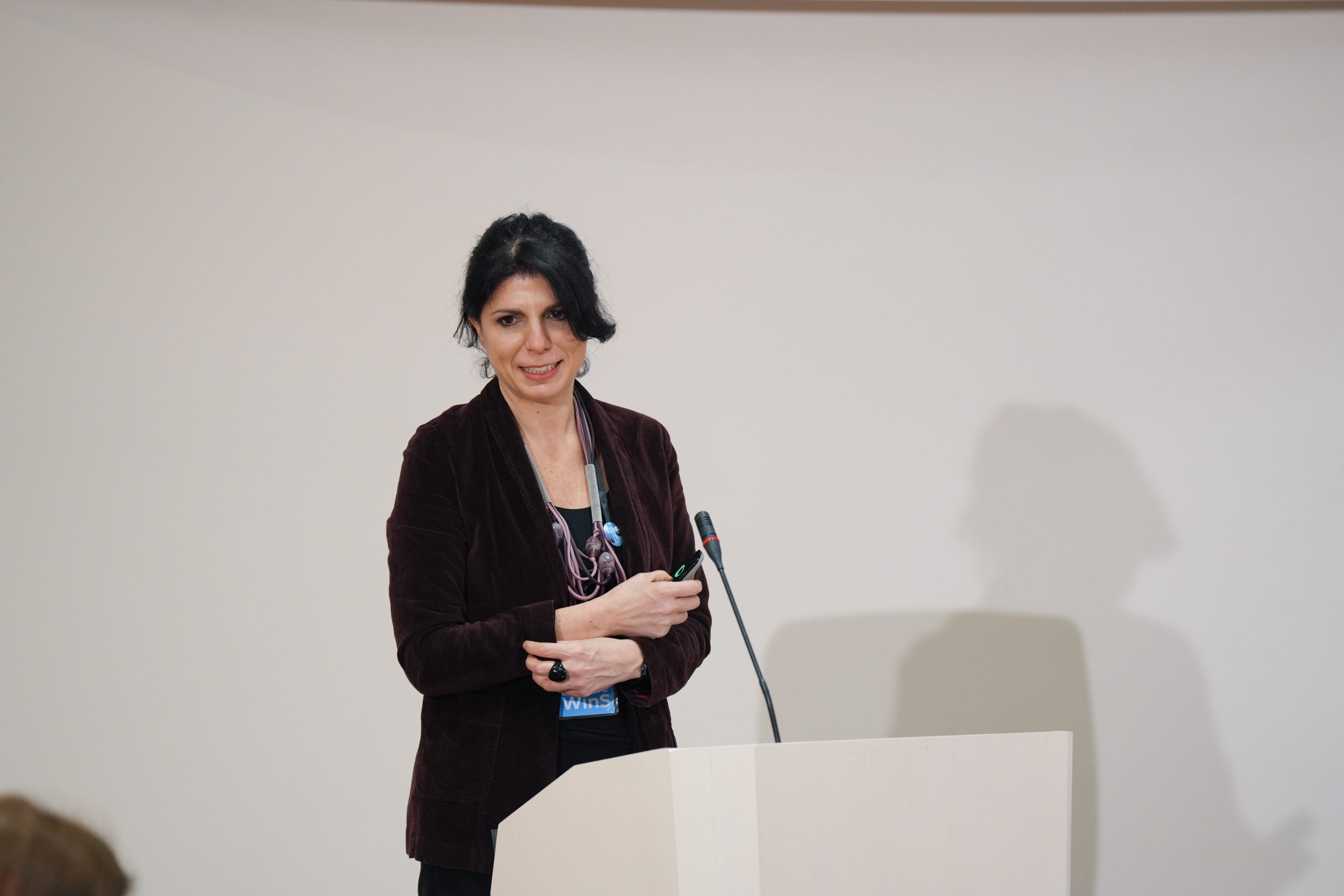
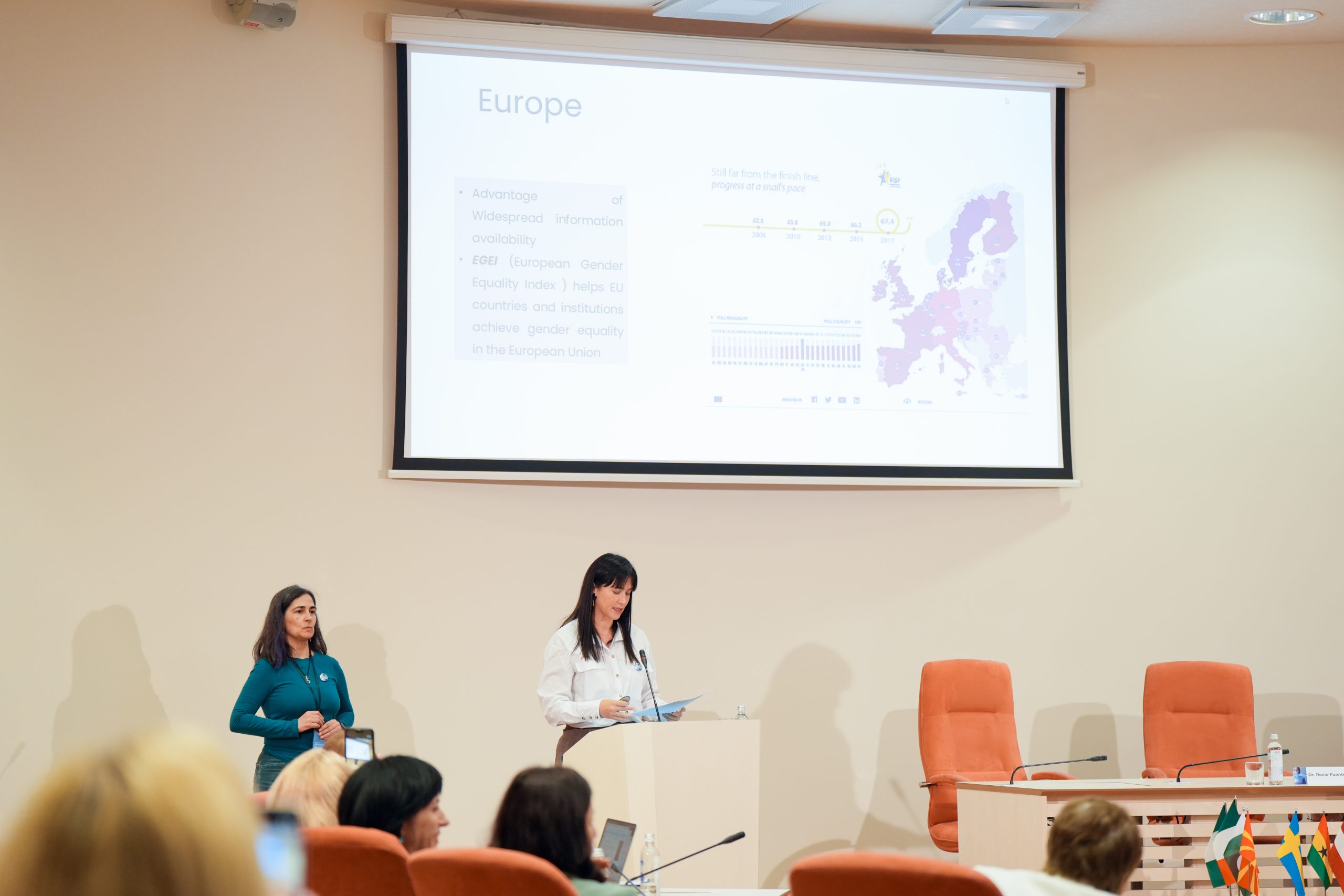
In her presentation, Prof. Dr. Paola Panarese examined the interaction between artificial intelligence and algorithms in the production of scientific knowledge, revealing how technological solutions can contribute to reducing gender inequality. Lithuanian and international women researchers also discussed mentorship as a practical tool for promoting gender diversity in the technology sector, the development of inclusive and ethical academic cultures, and both Lithuanian and international experiences in this field.
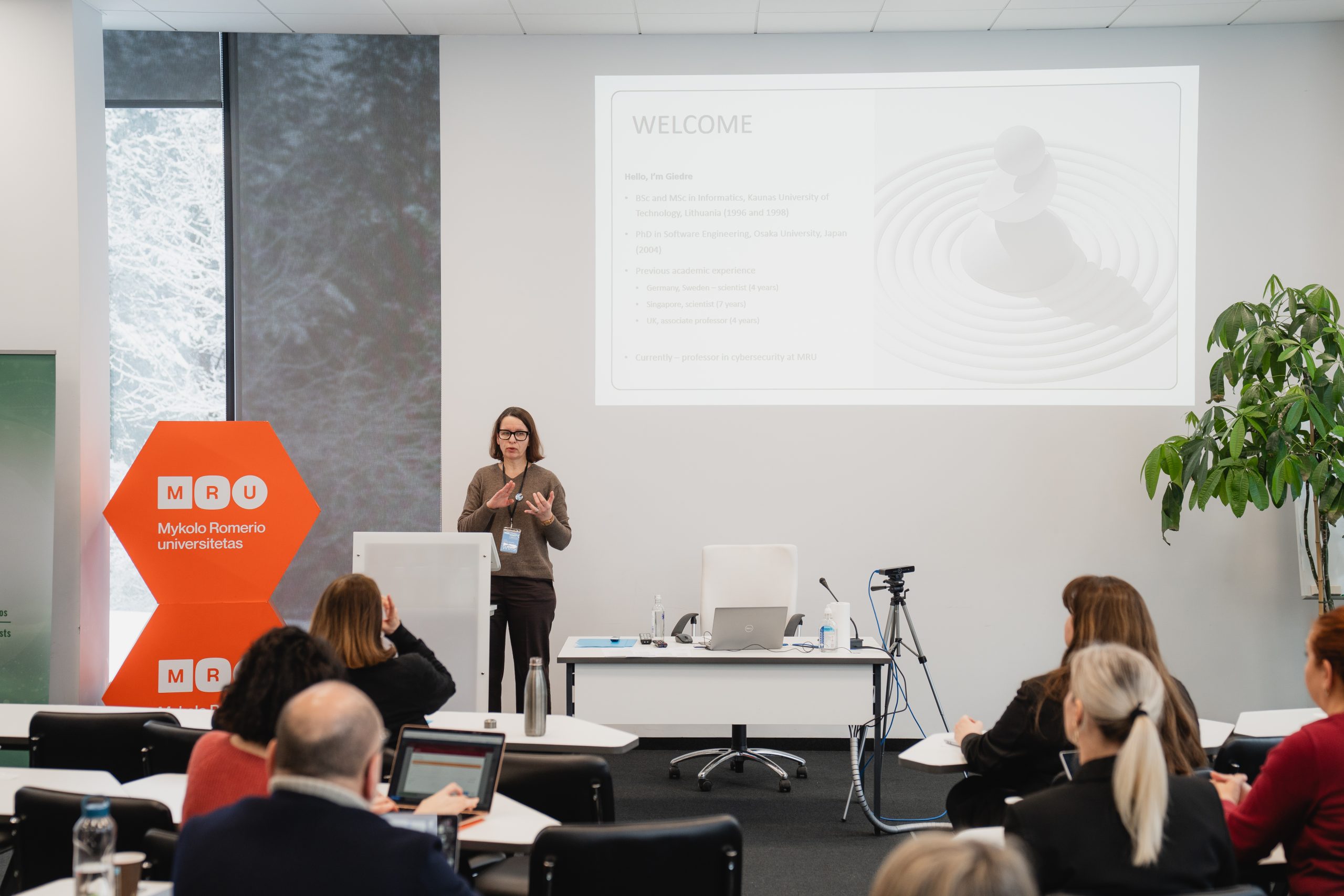
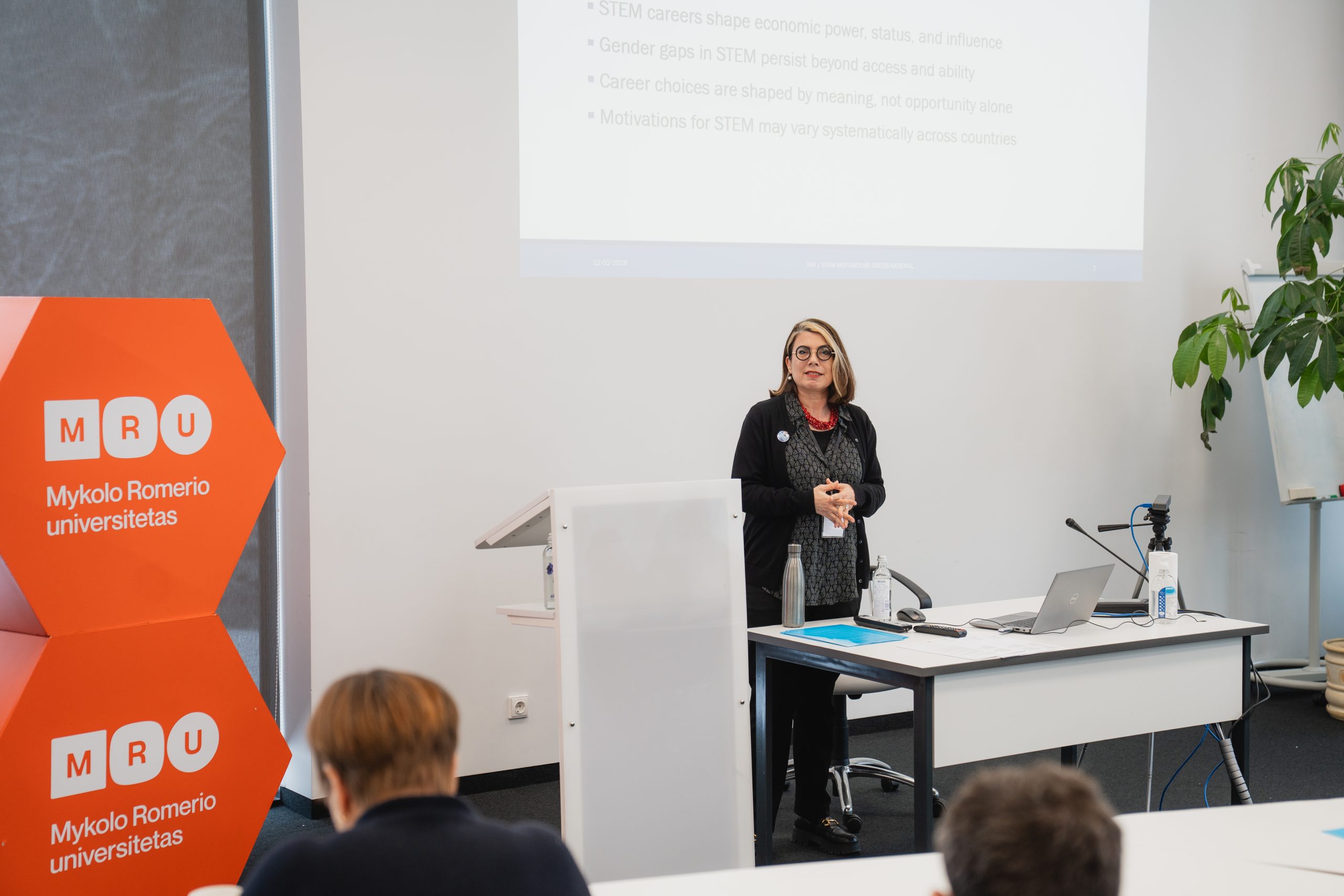
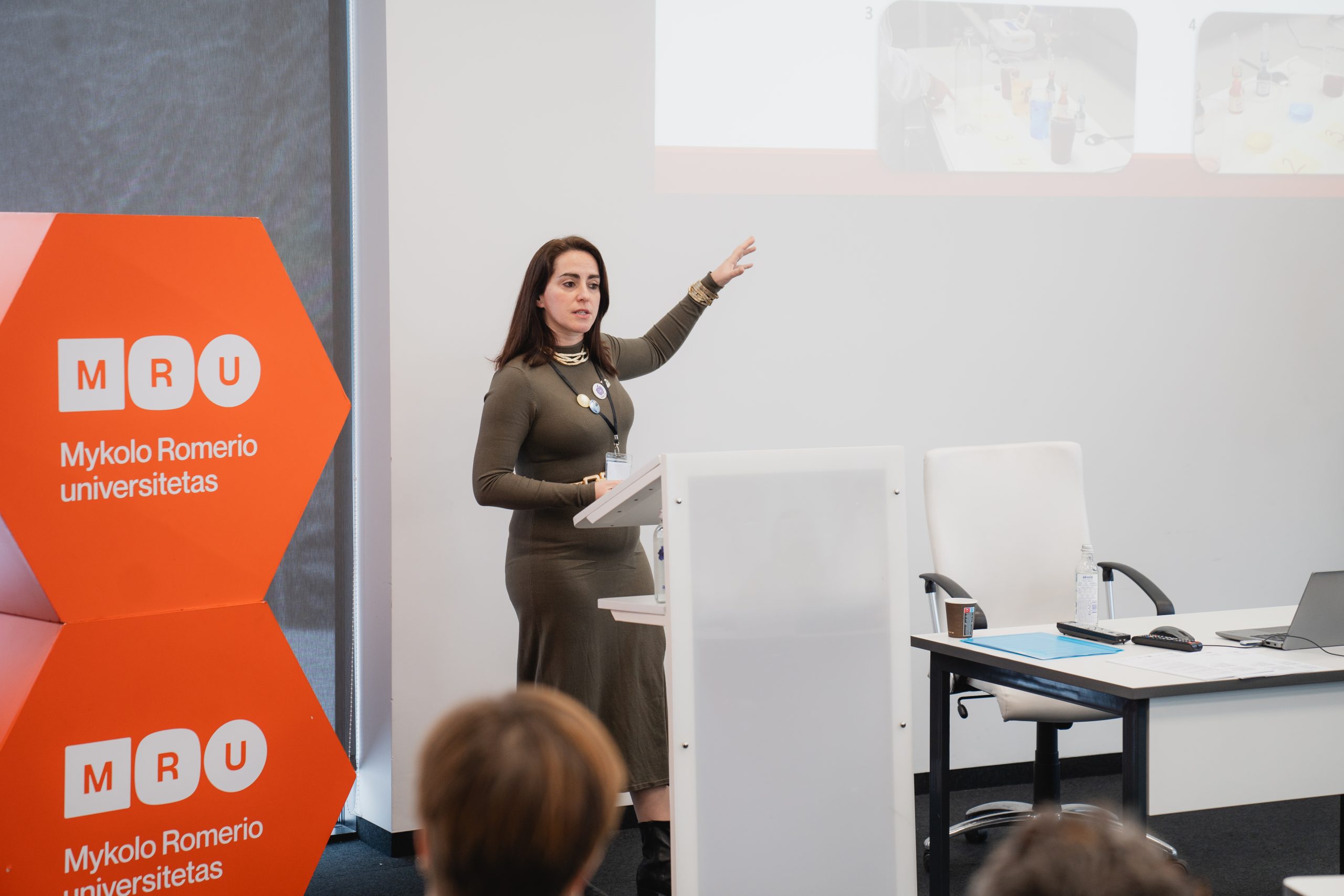
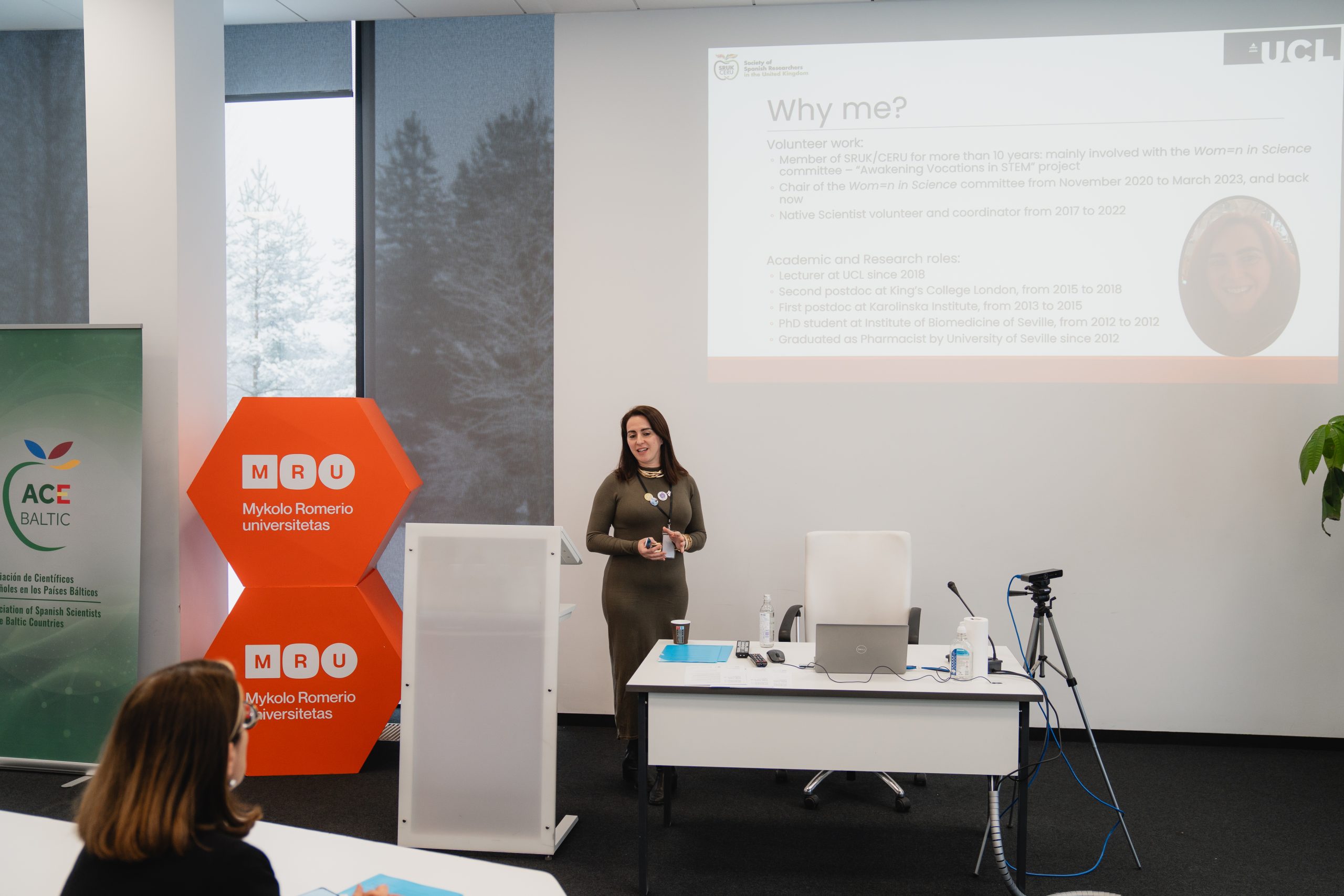
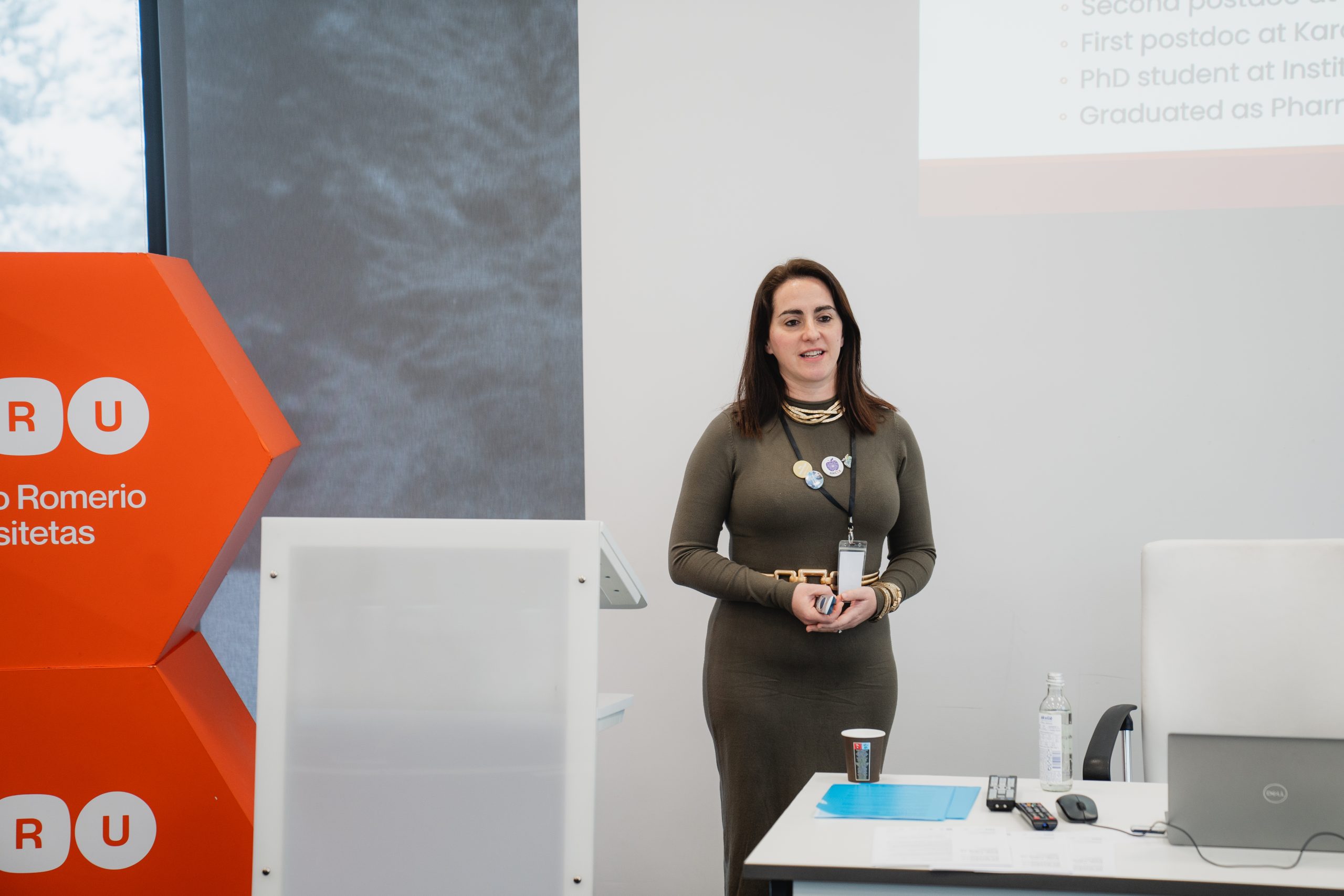
On February 12, conference participants will discuss the future of STEM and interdisciplinary aspects of gender equality. Presentations will explore women’s experiences in scientific careers, the role of the education system in encouraging girls’ participation in STEM fields, and the empowerment of women in areas such as cybersecurity, health, and sustainable innovation.
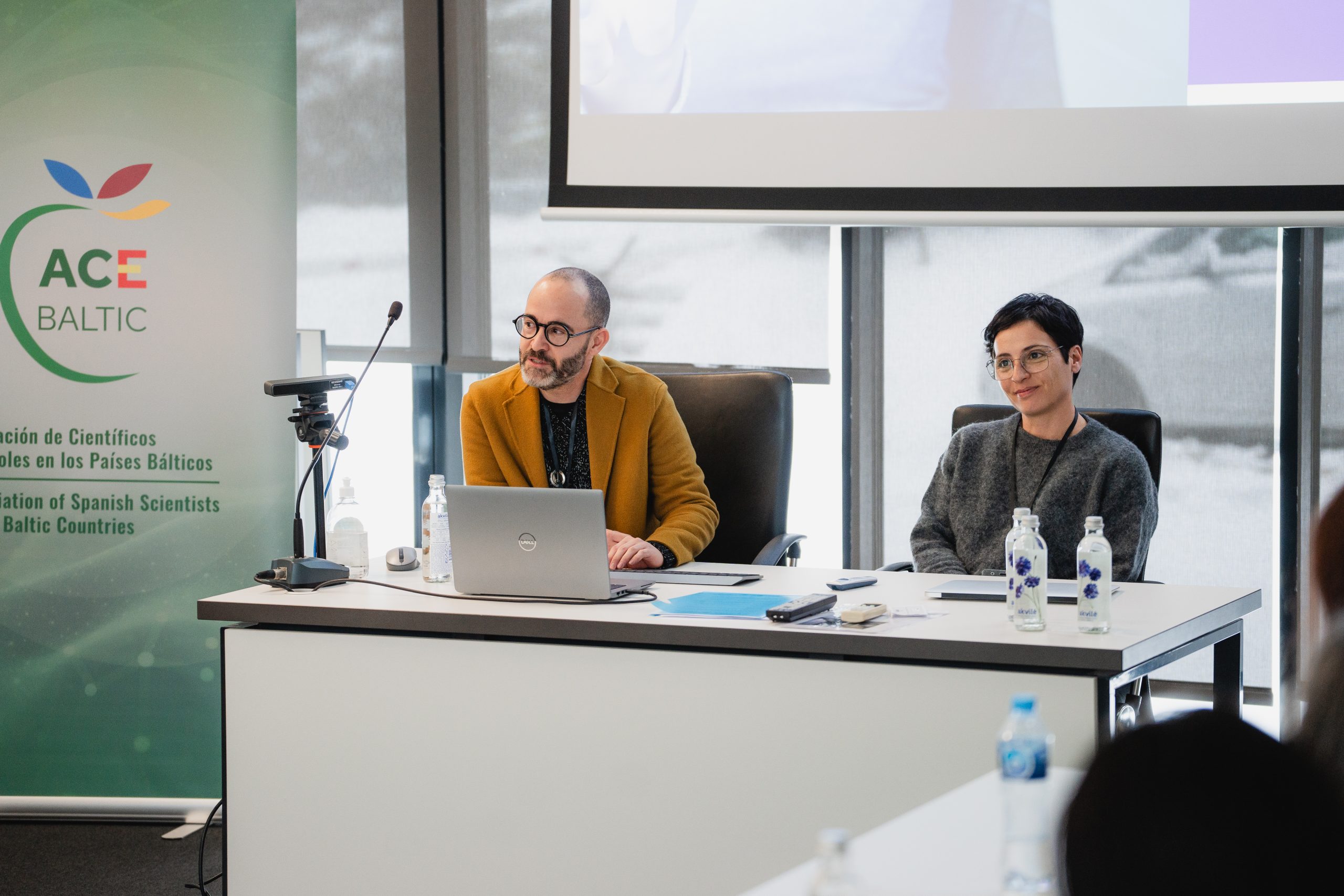
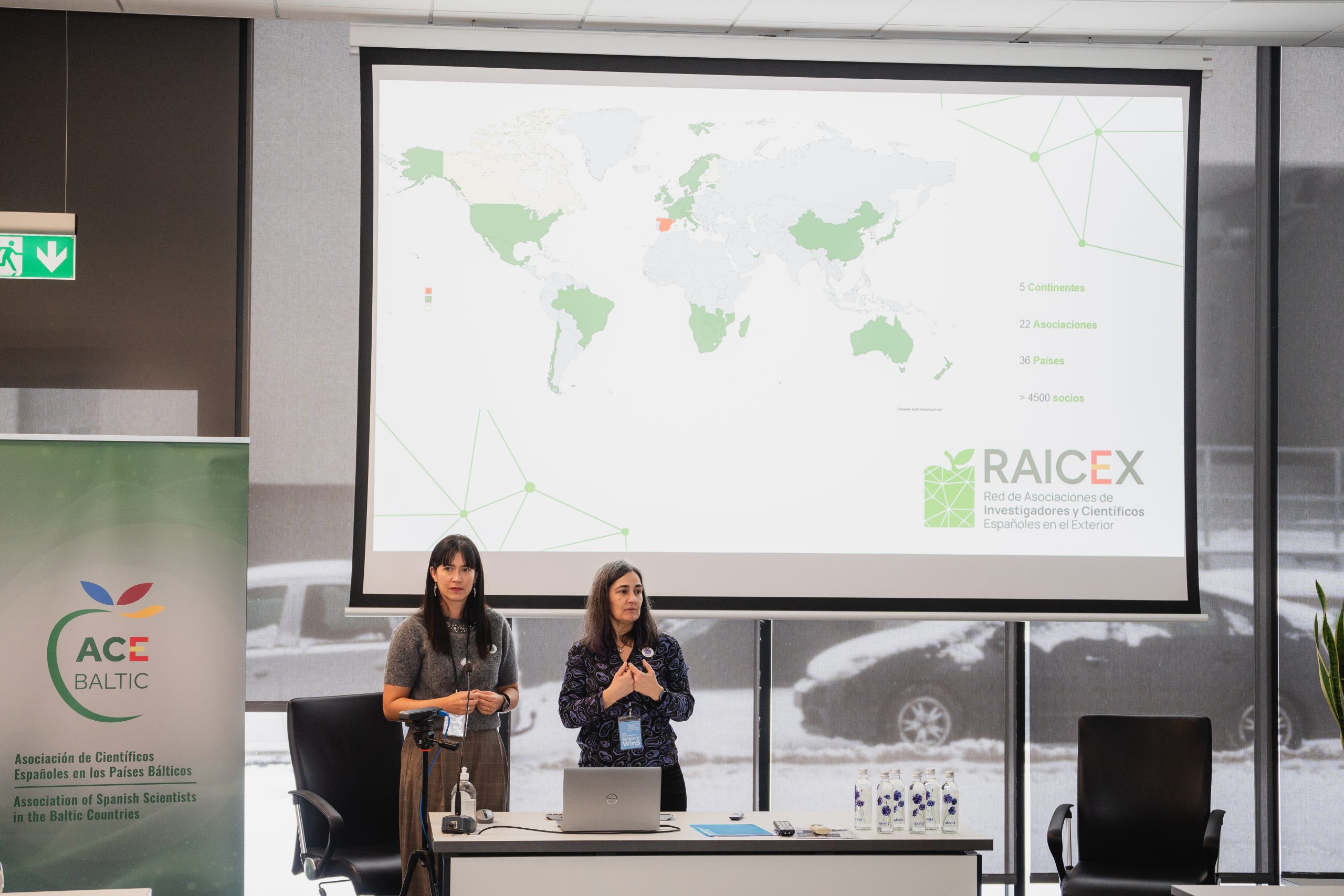
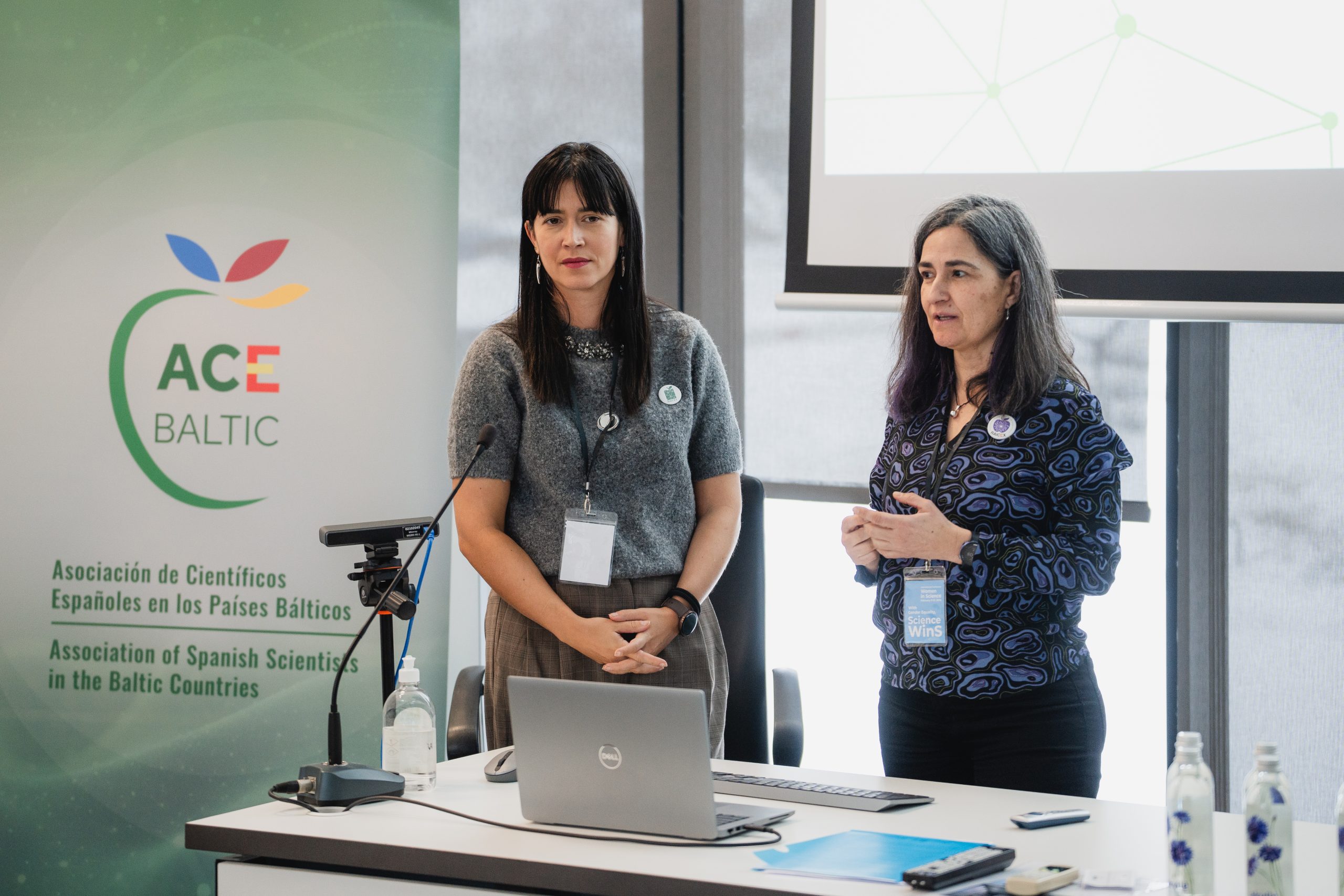
The event is organized by the MRU in collaboration with the Association of Spanish Scientists in the Baltic Countries (ACEBaltic), the Embassy of Spain in Lithuania, the European Women Rectors Association (EWORA) and Fundación Ramón Areces.